
Every board below was designed for a real customer’s car. Browse by what you drive — each one shows the theme it uses, and links through to that theme. (Click any board to enlarge; tap twice on mobile.)
Pre-War Classics & Hot Rods
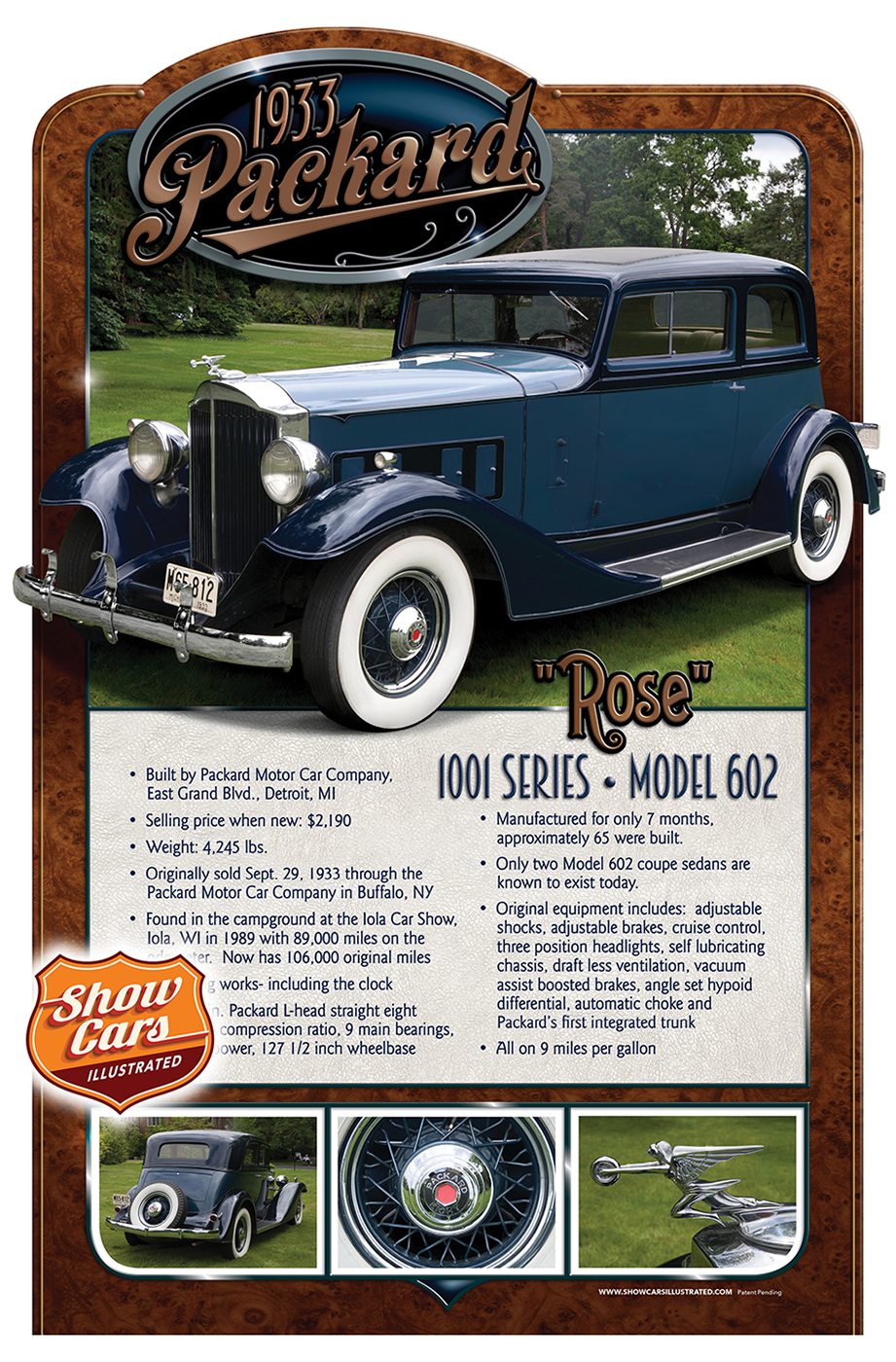
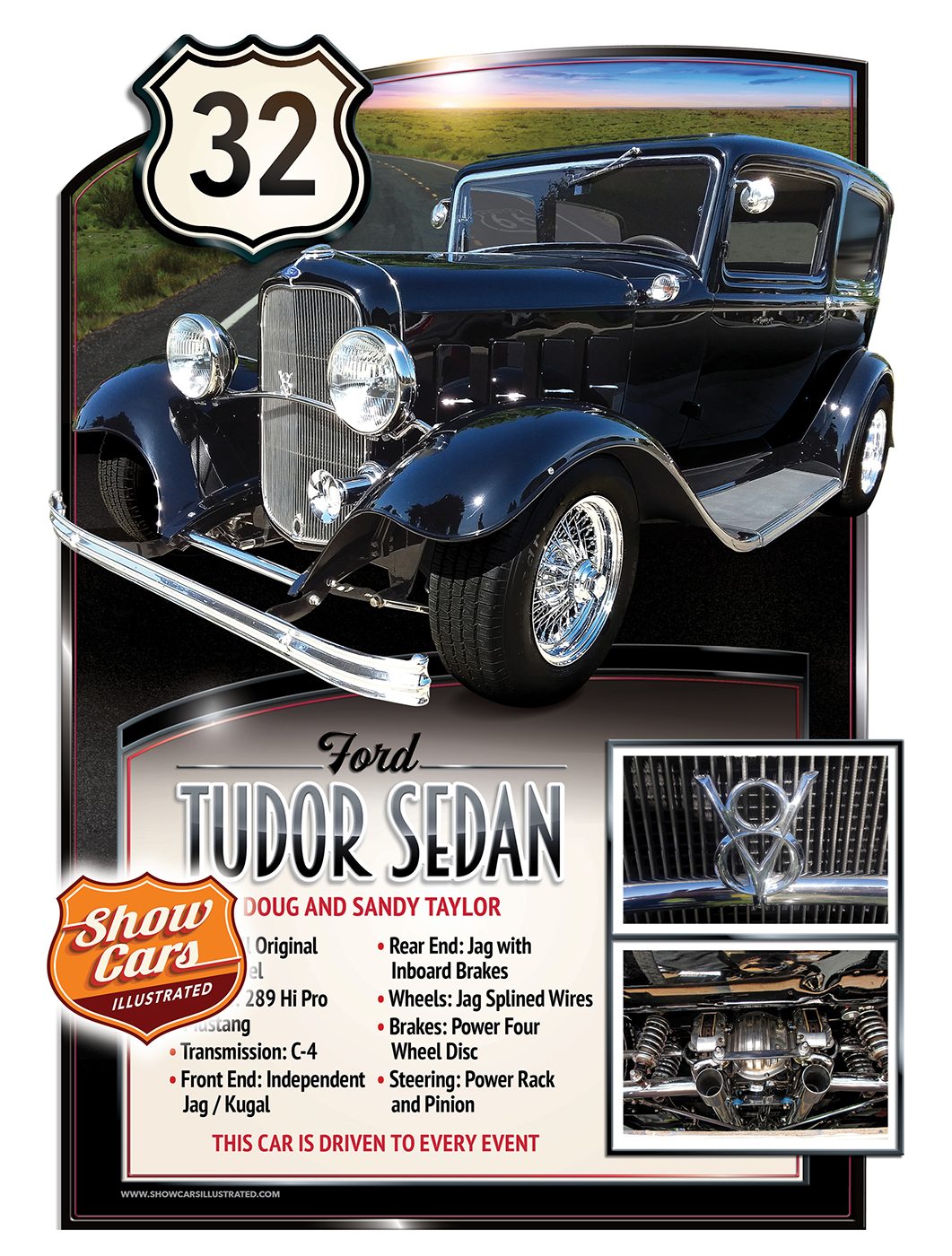
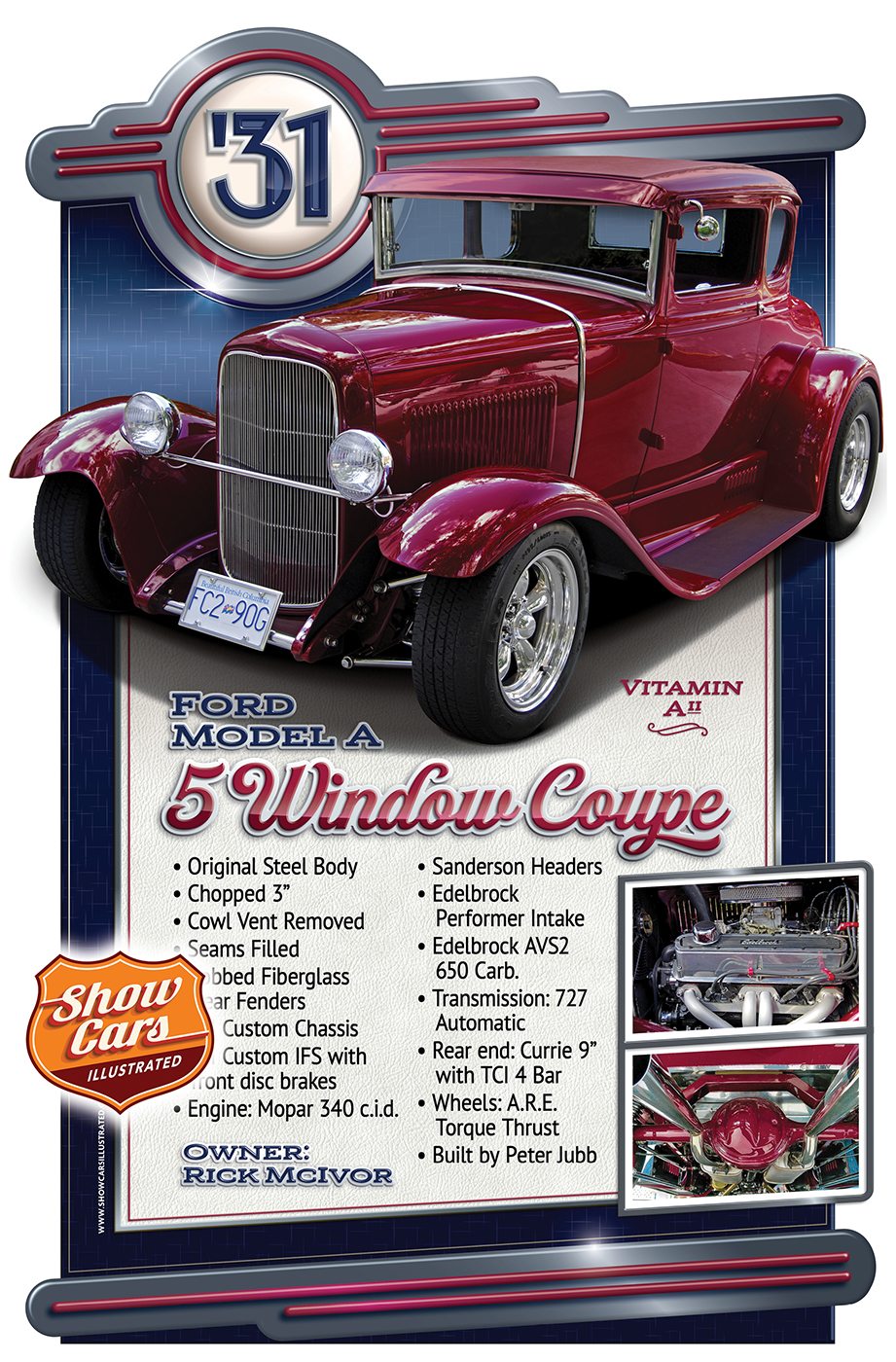
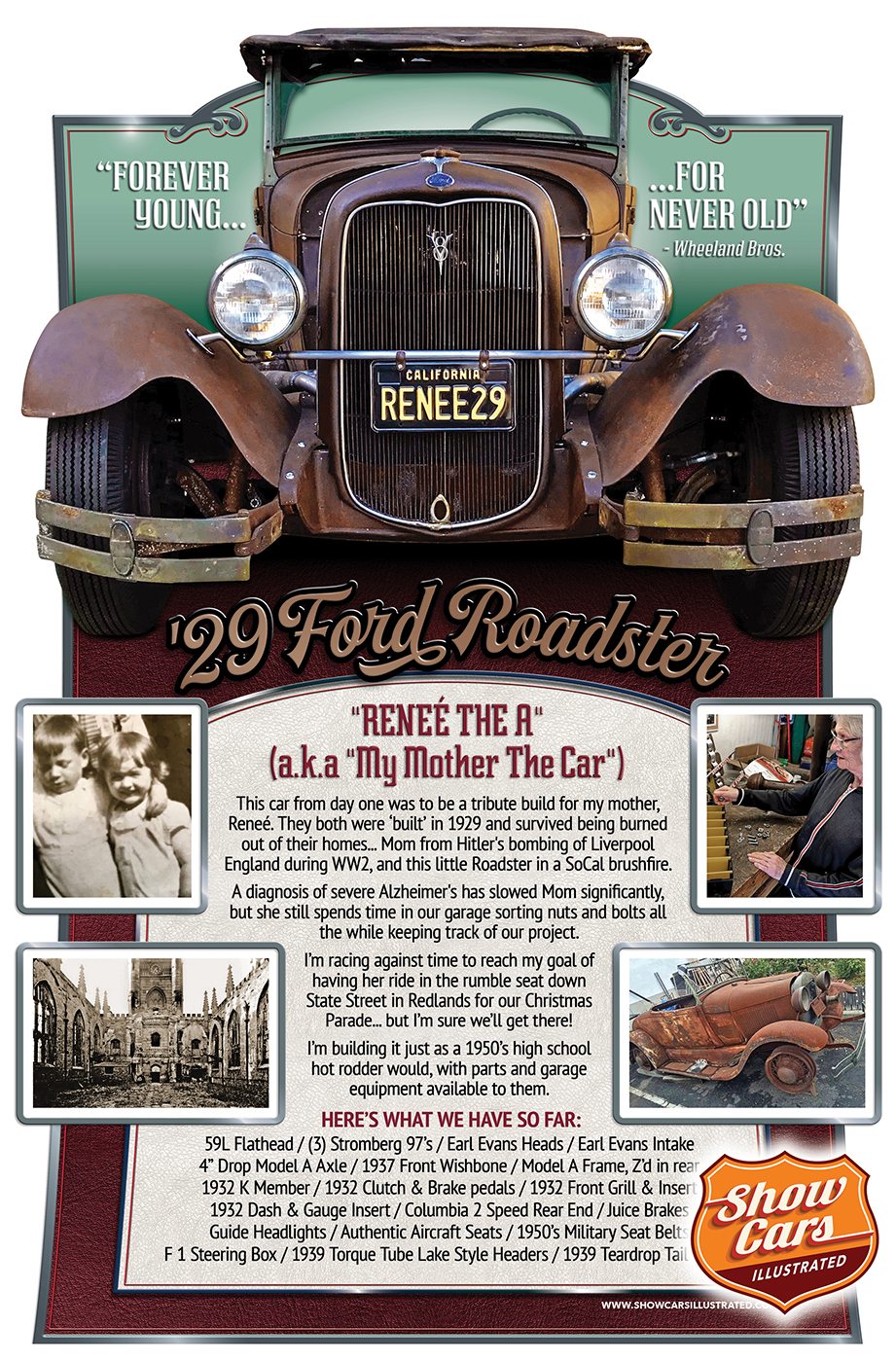
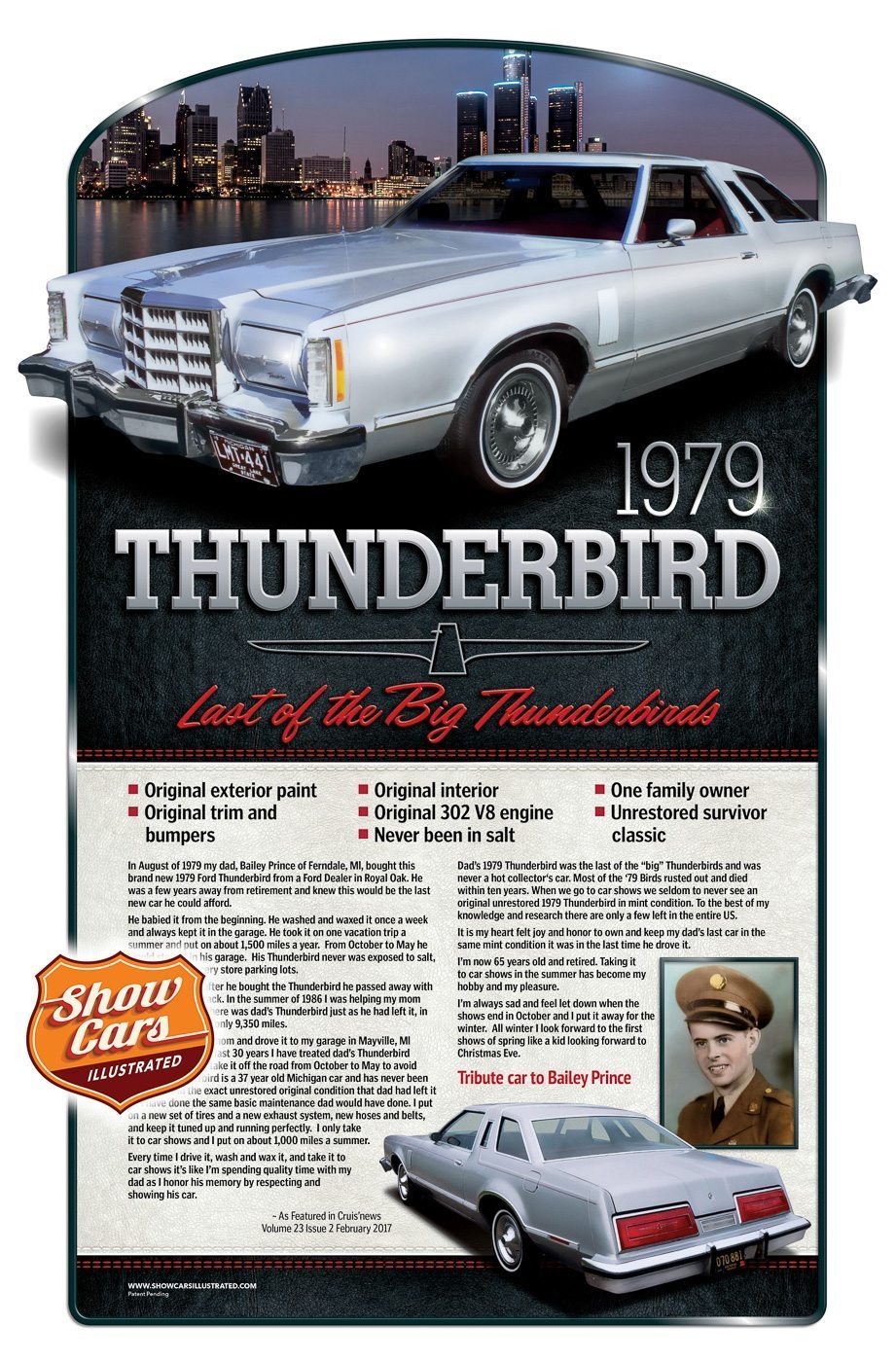
Model A Fords, Packards, roadsters and rat rods. Deco suits the formal pre-war cars with its period type and restrained color, while Drive-In — the most-used theme in this group — carries the nostalgia of the era without competing with the car. Hot Rod is drawn for traditional and rat rod builds, and All American works throughout when the ownership history is the story.
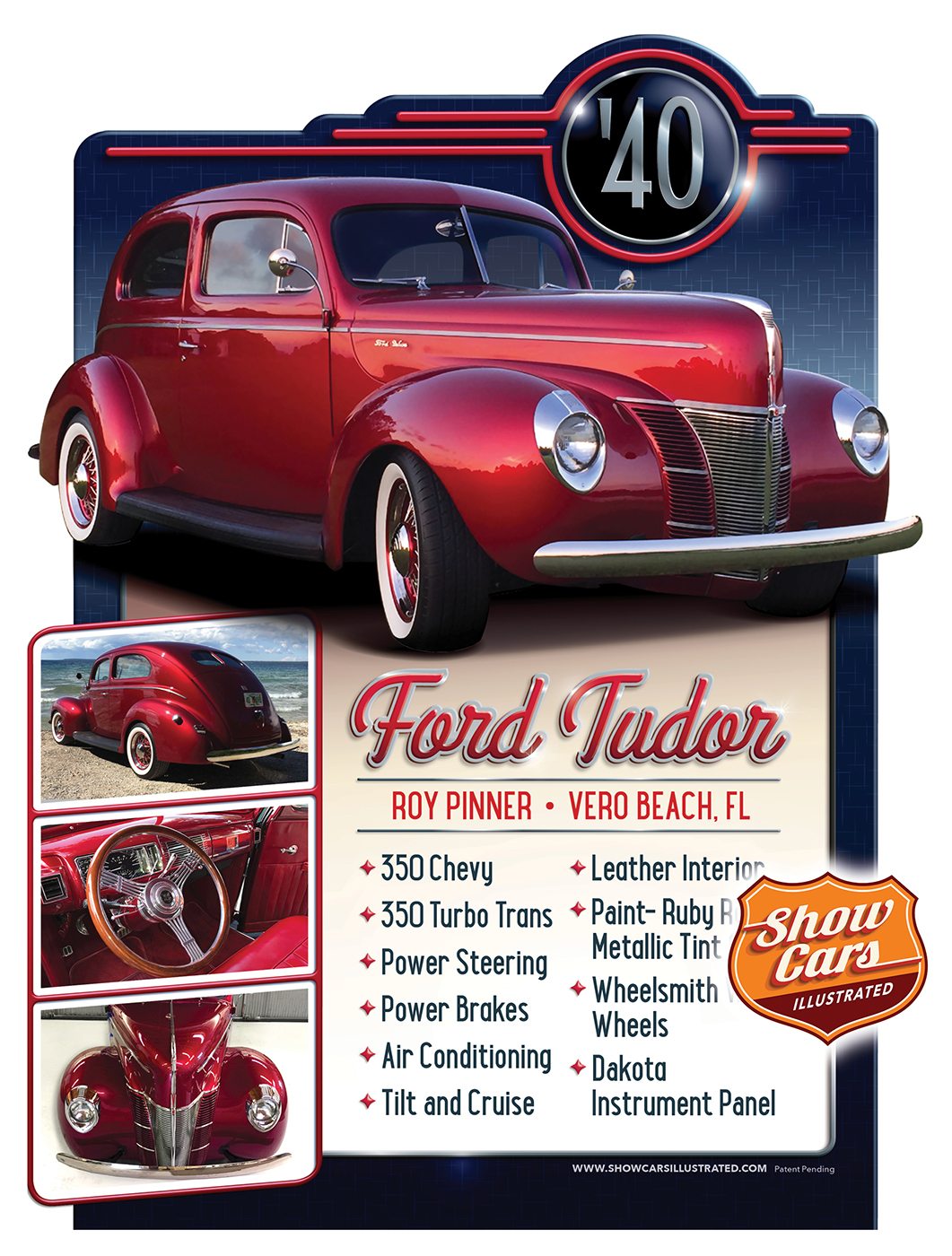
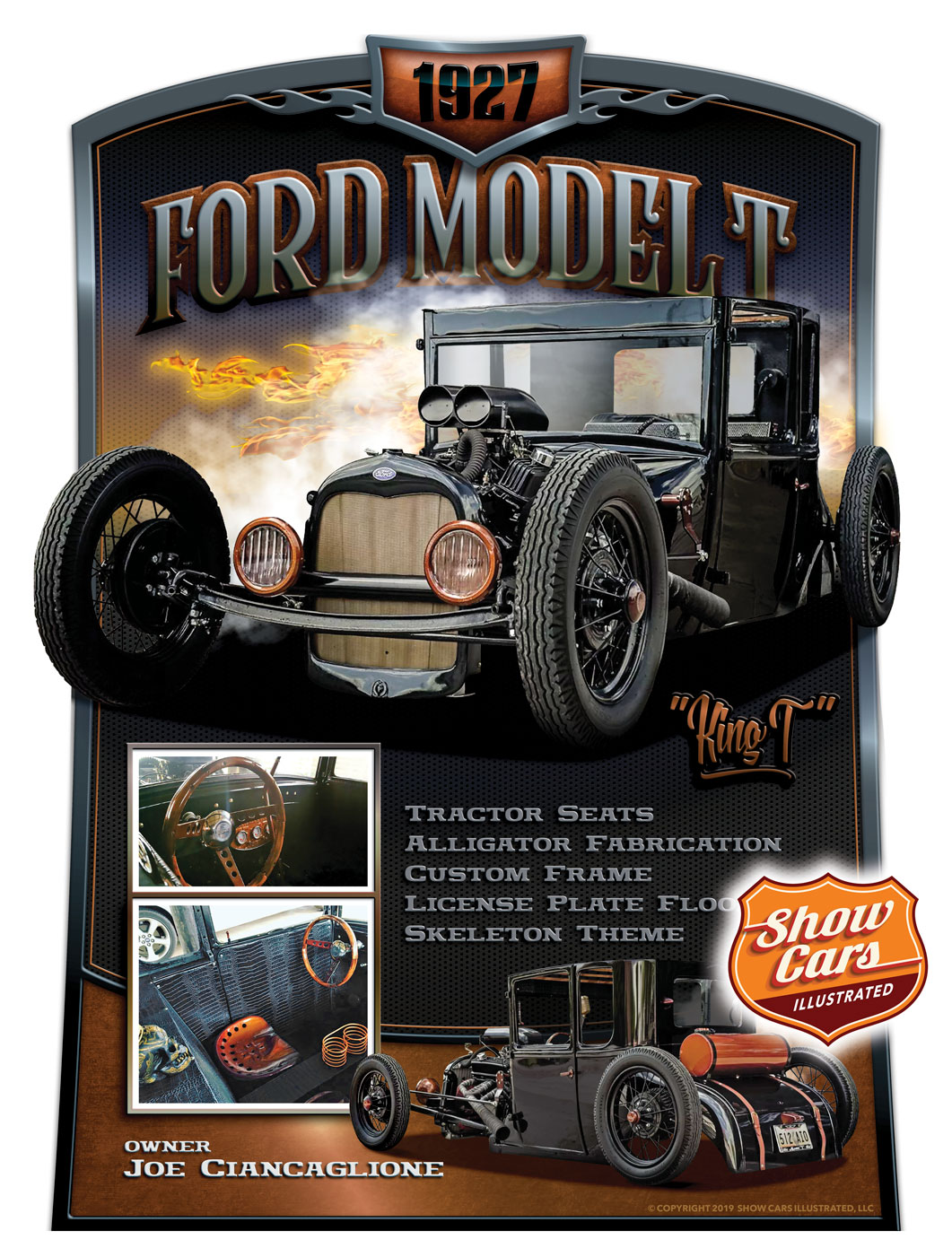
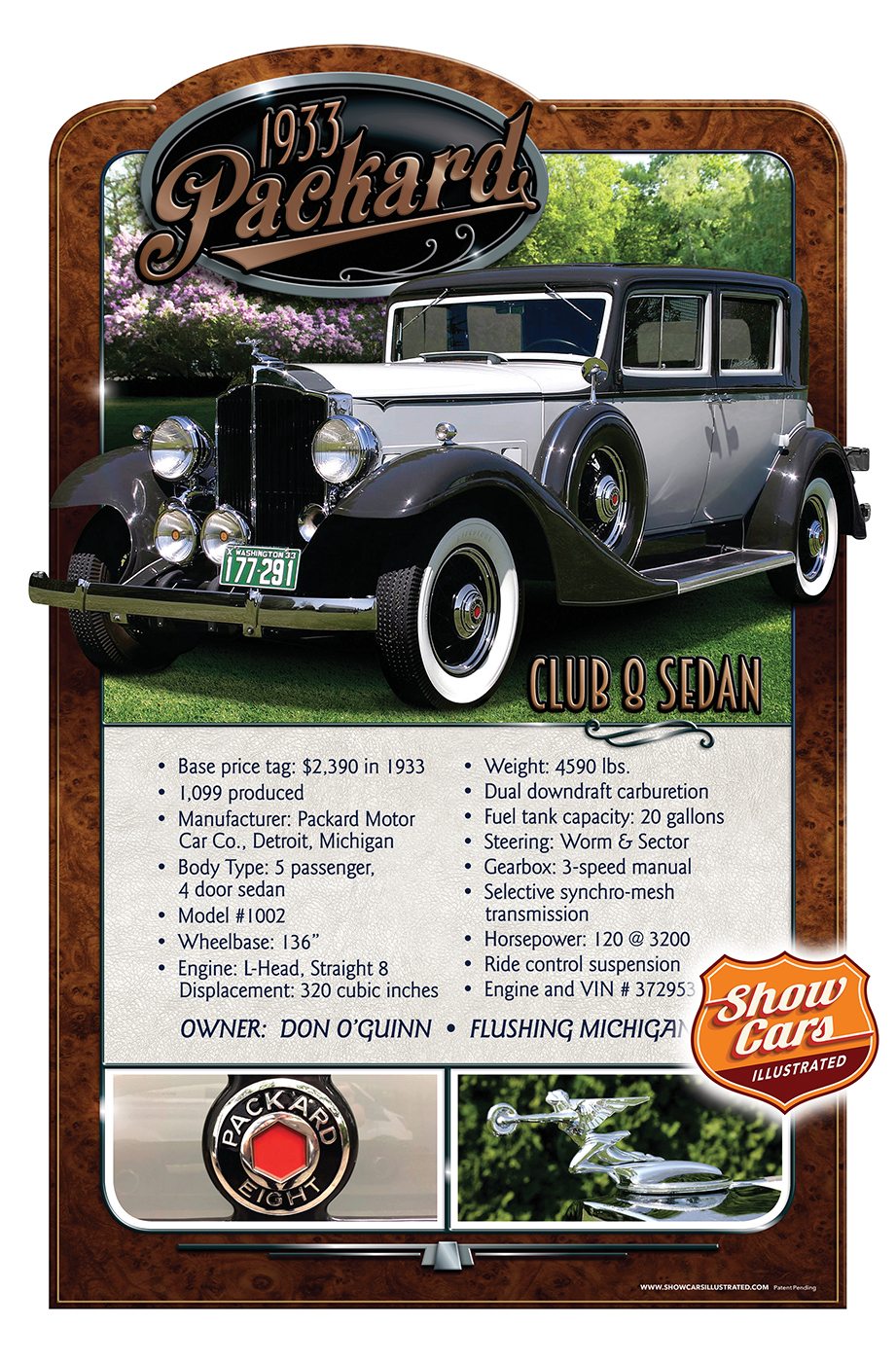
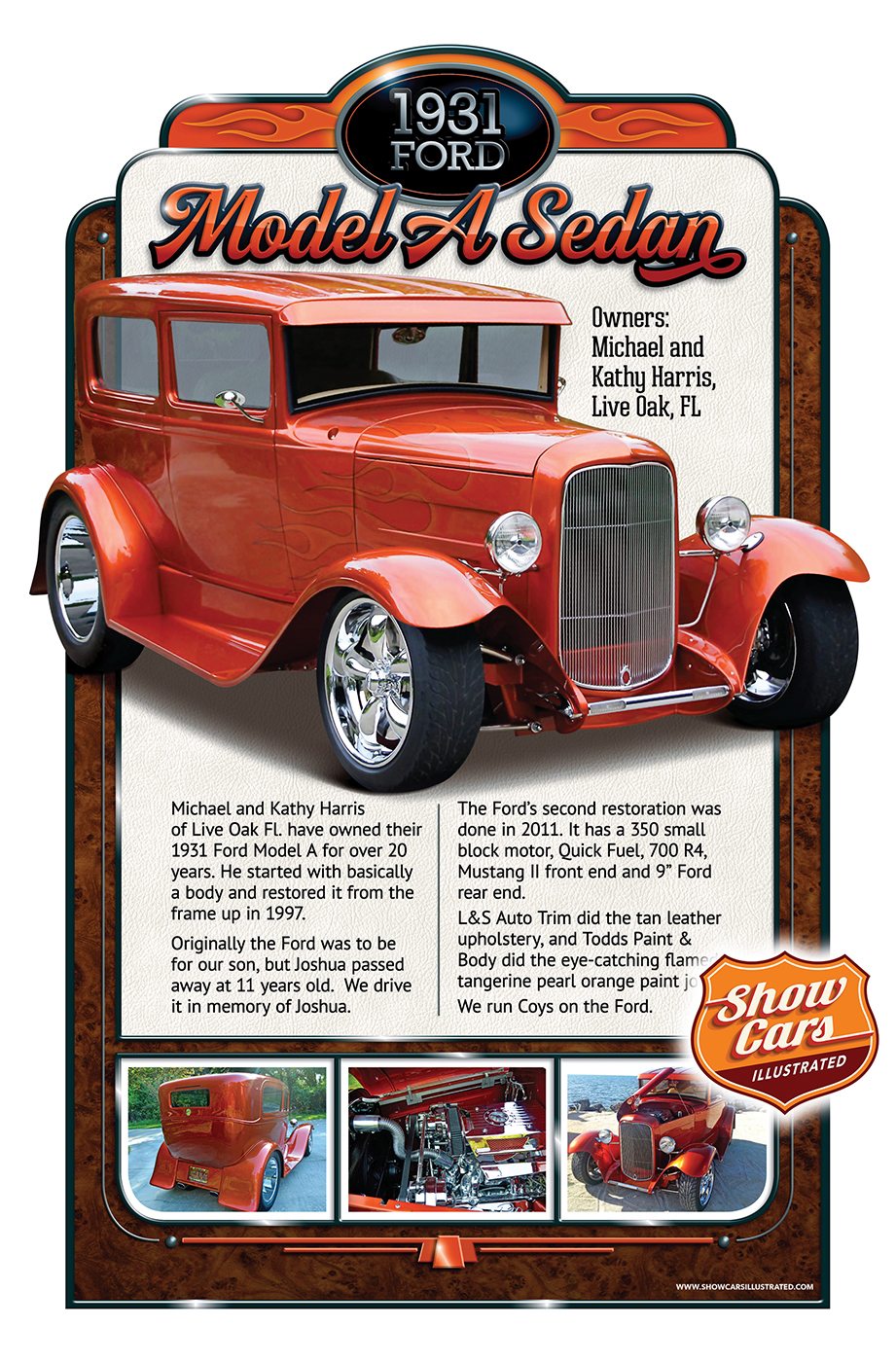


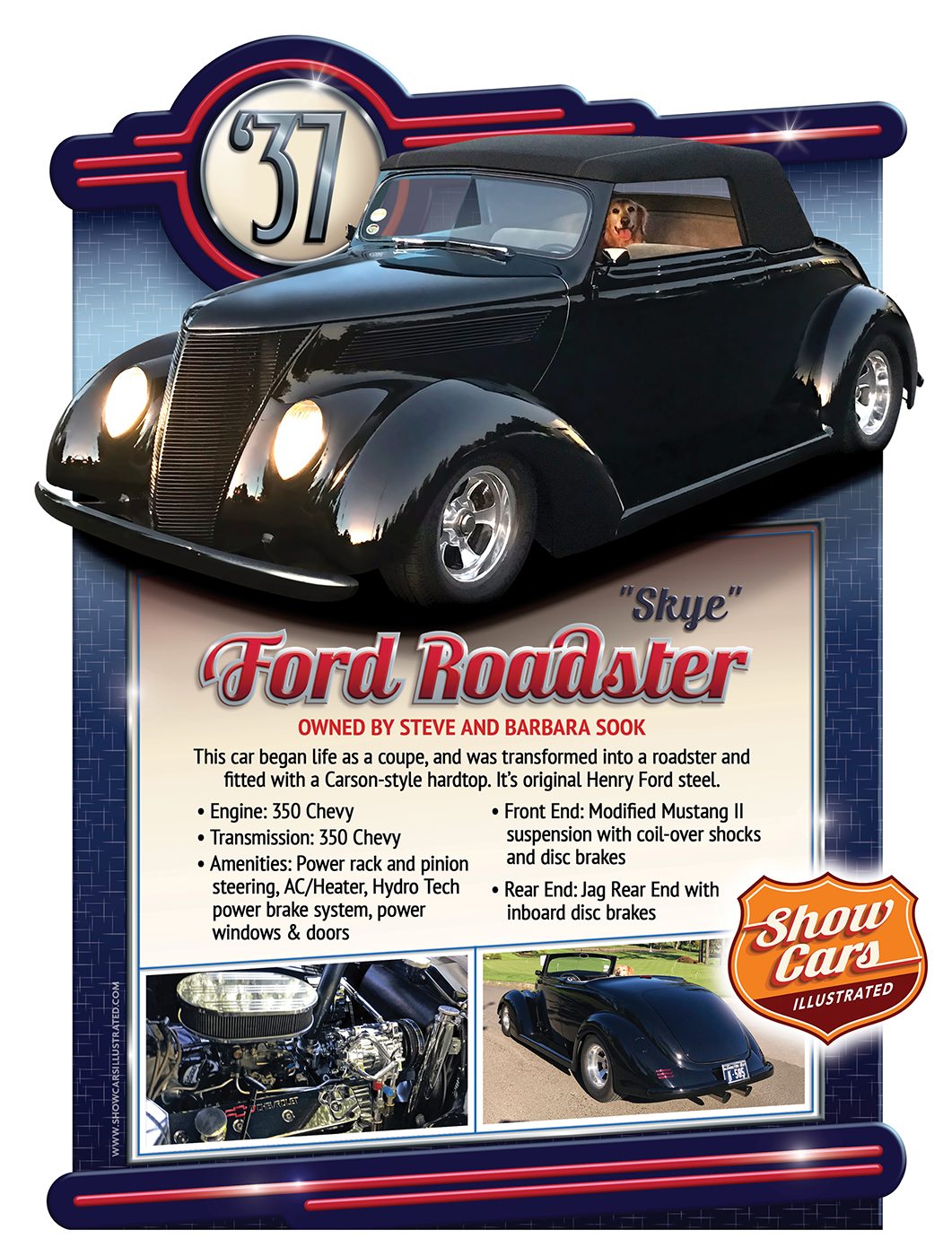
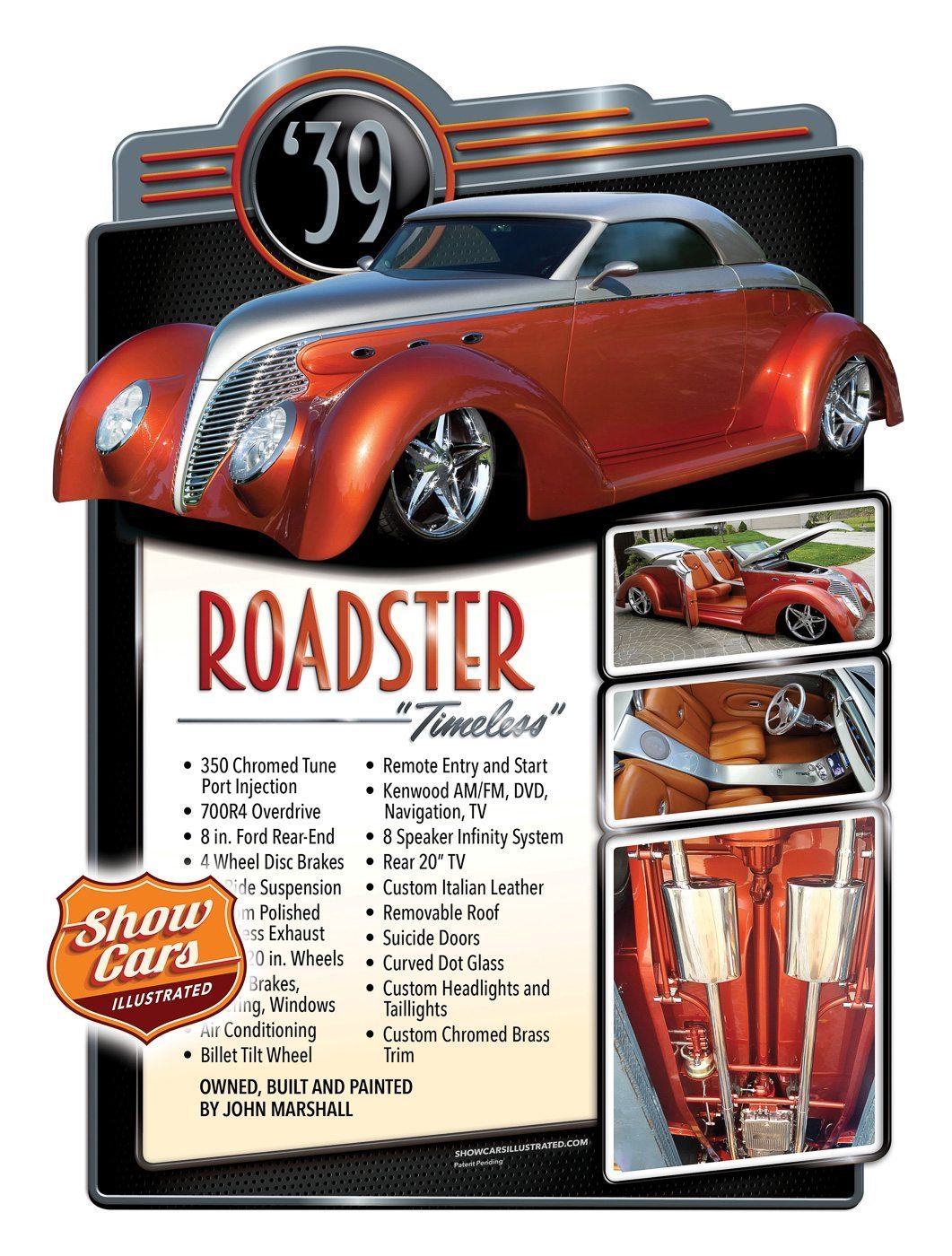
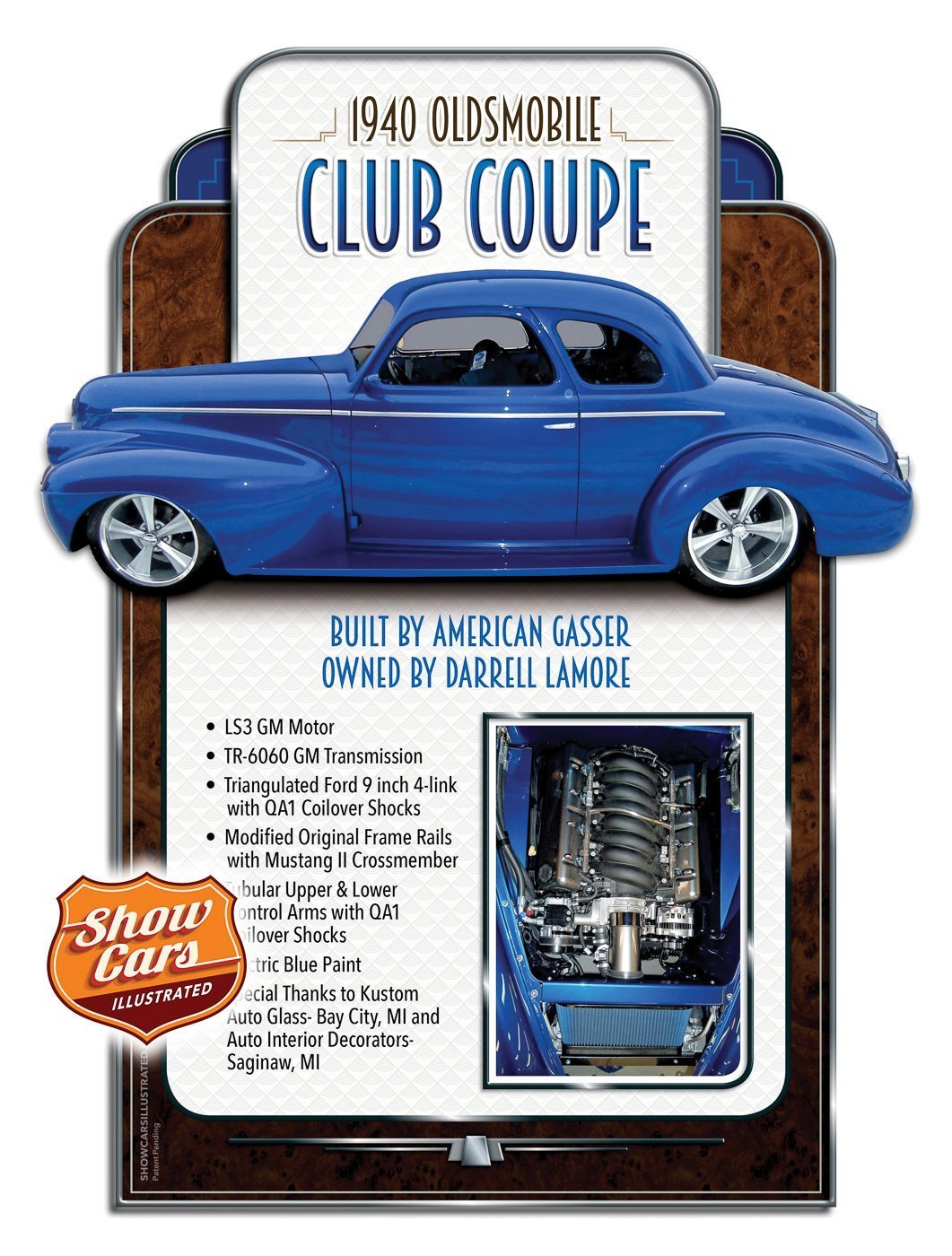
Fifties & Early Sixties
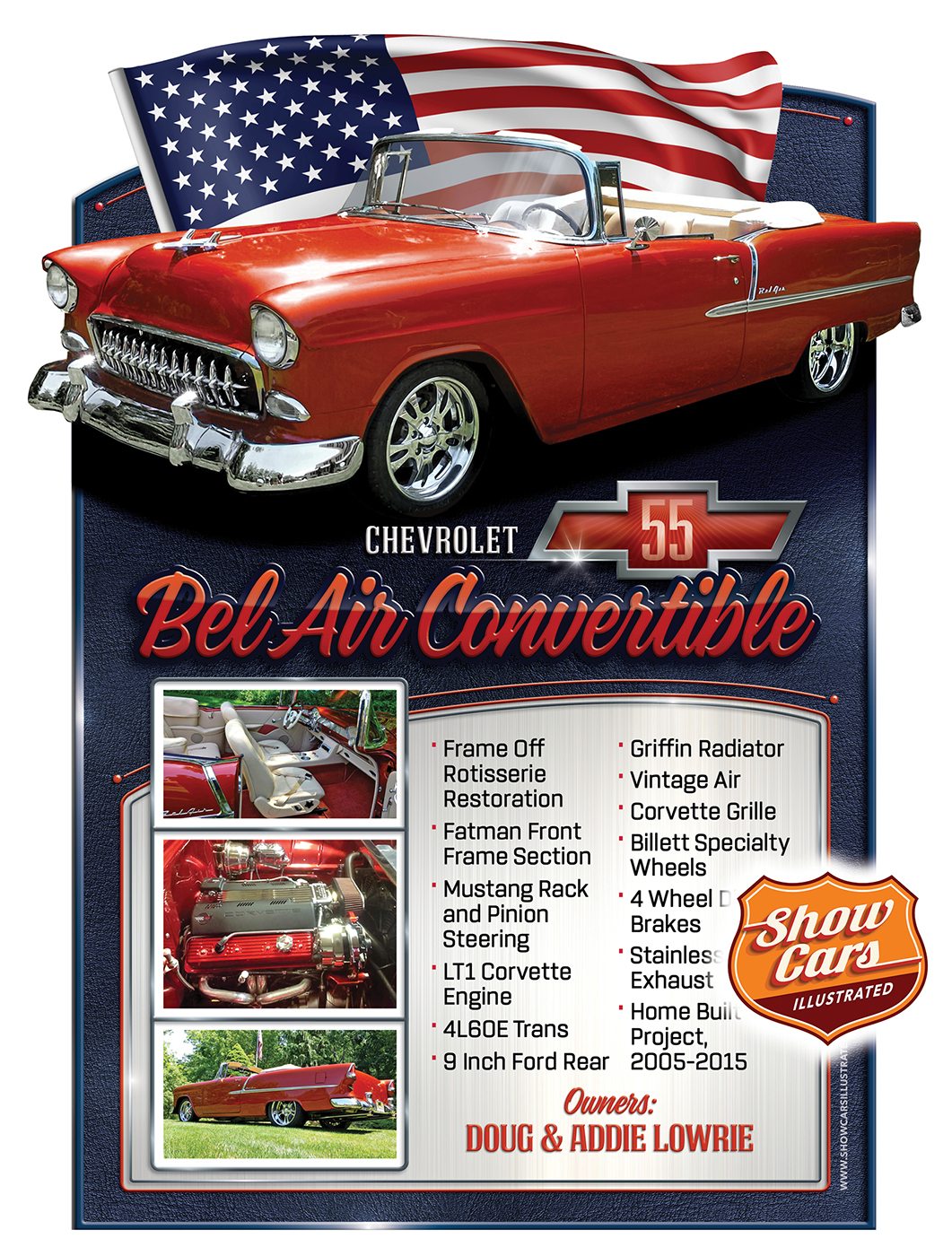
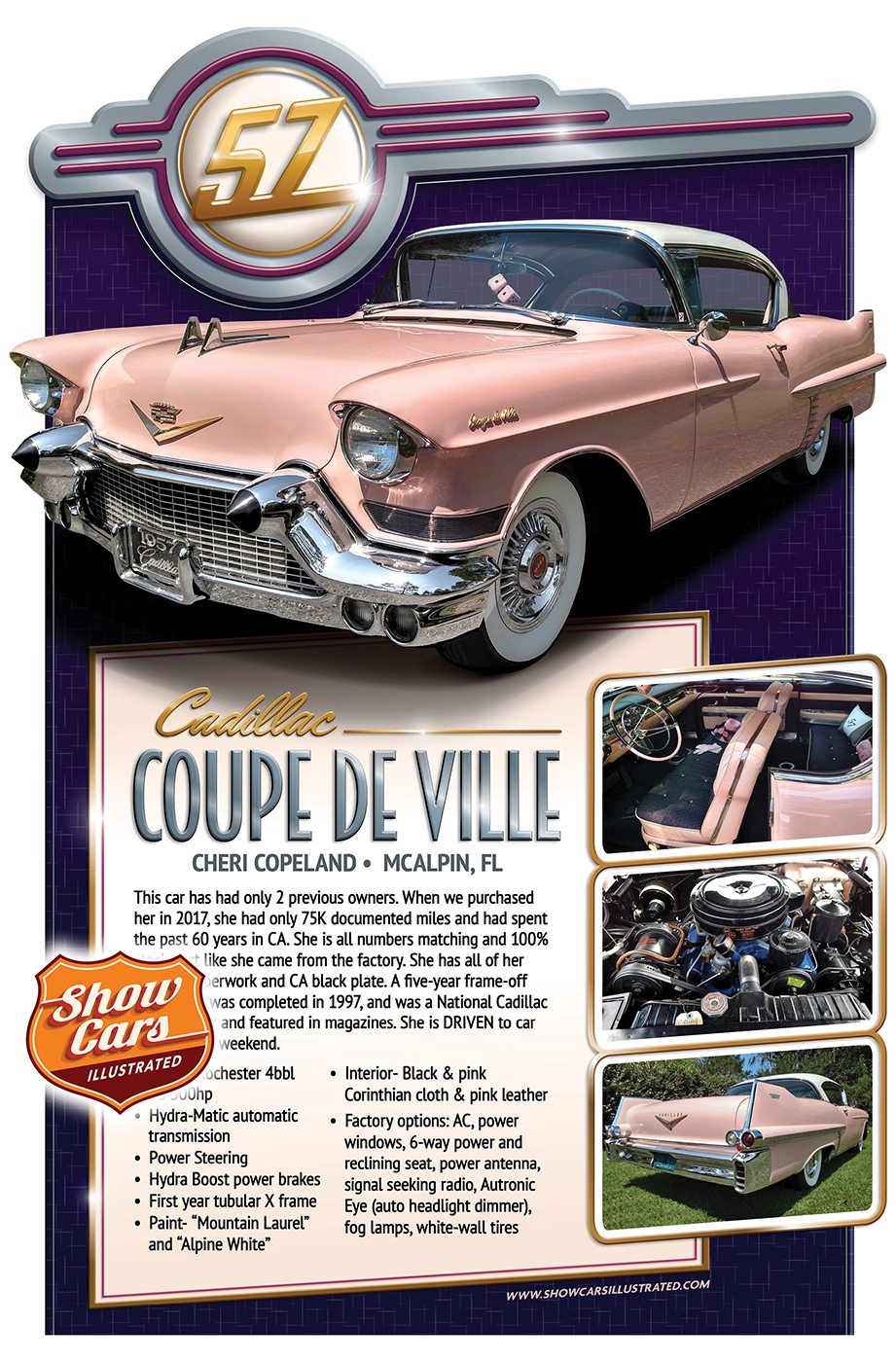
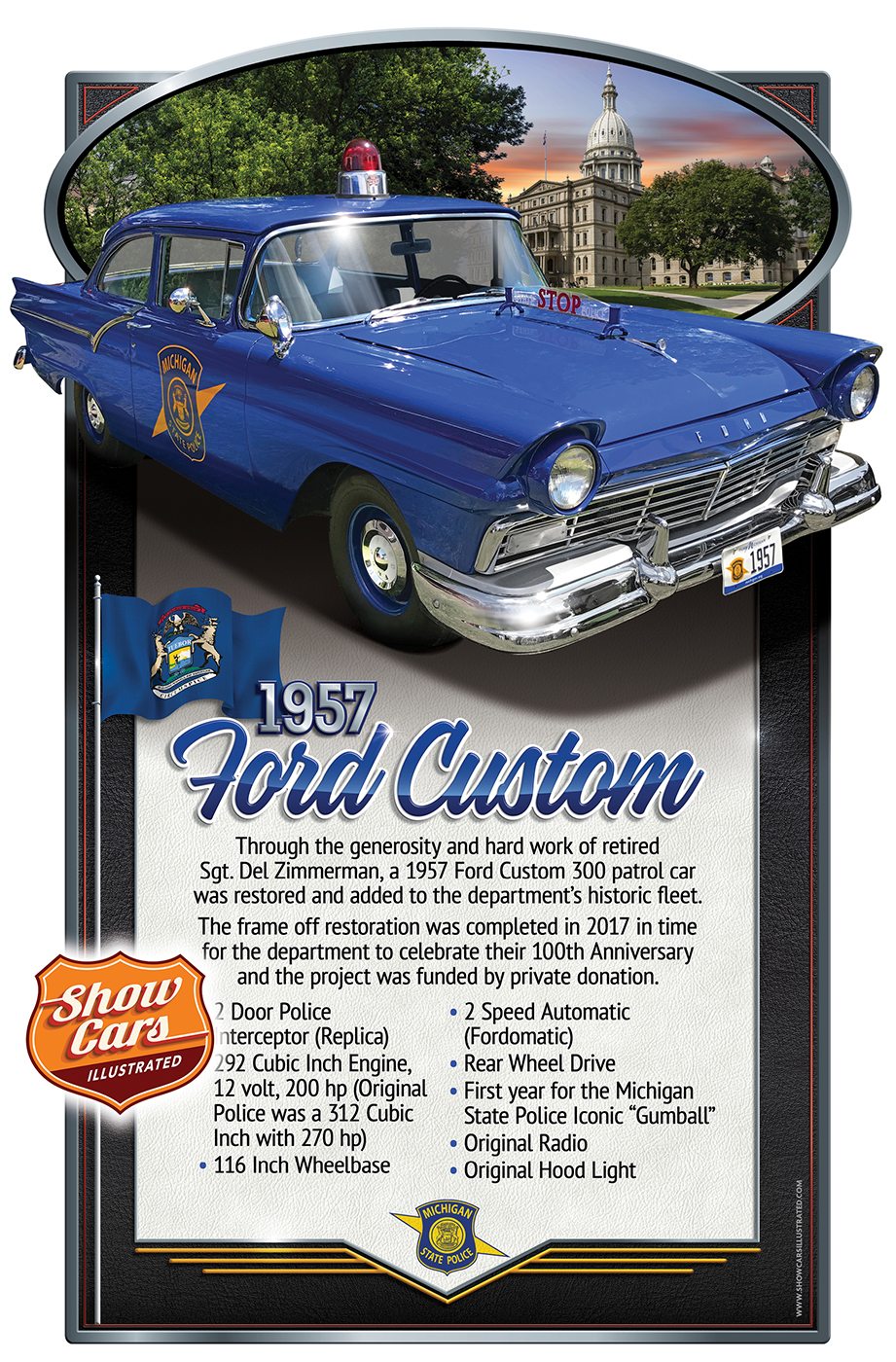
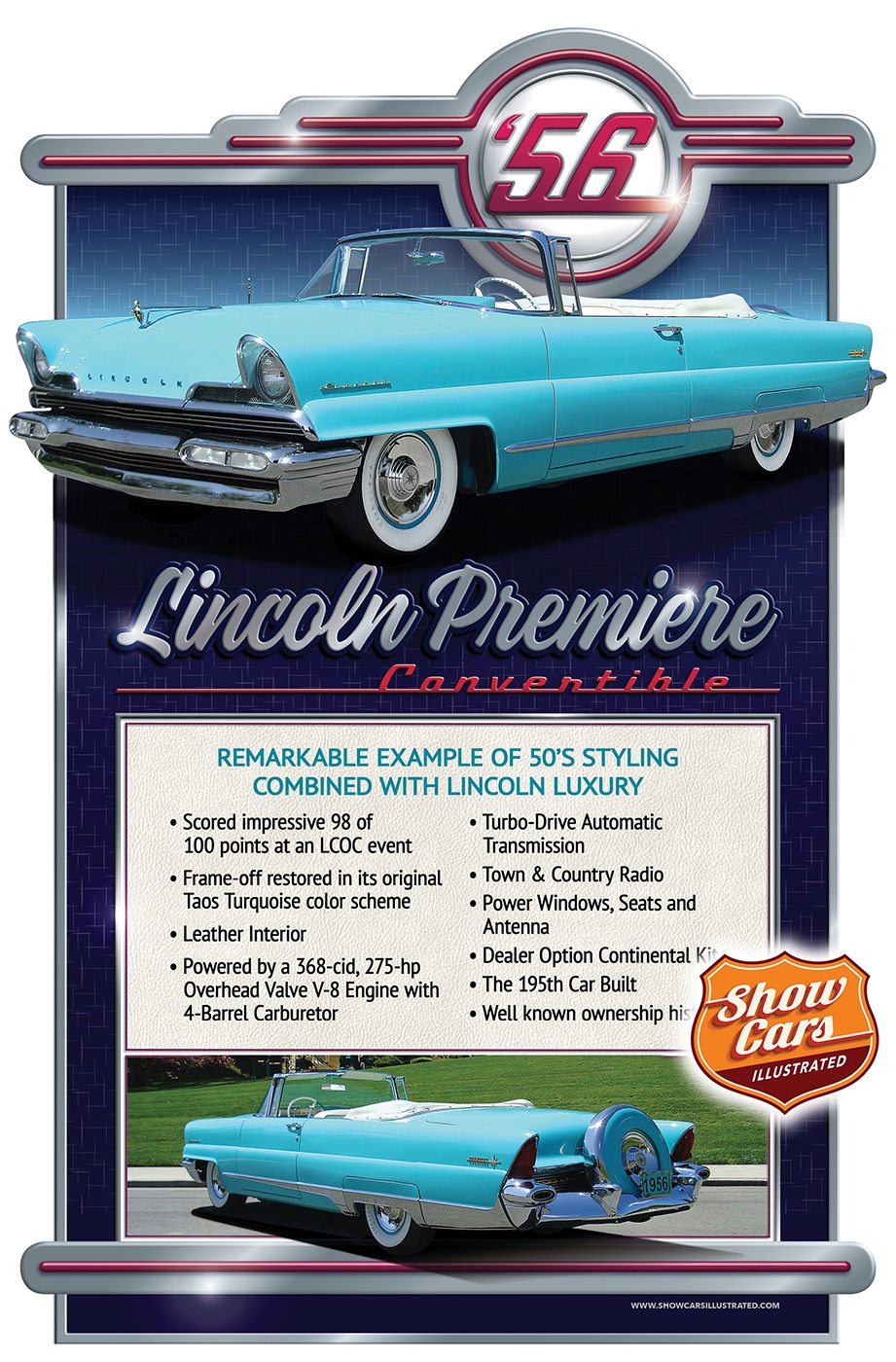
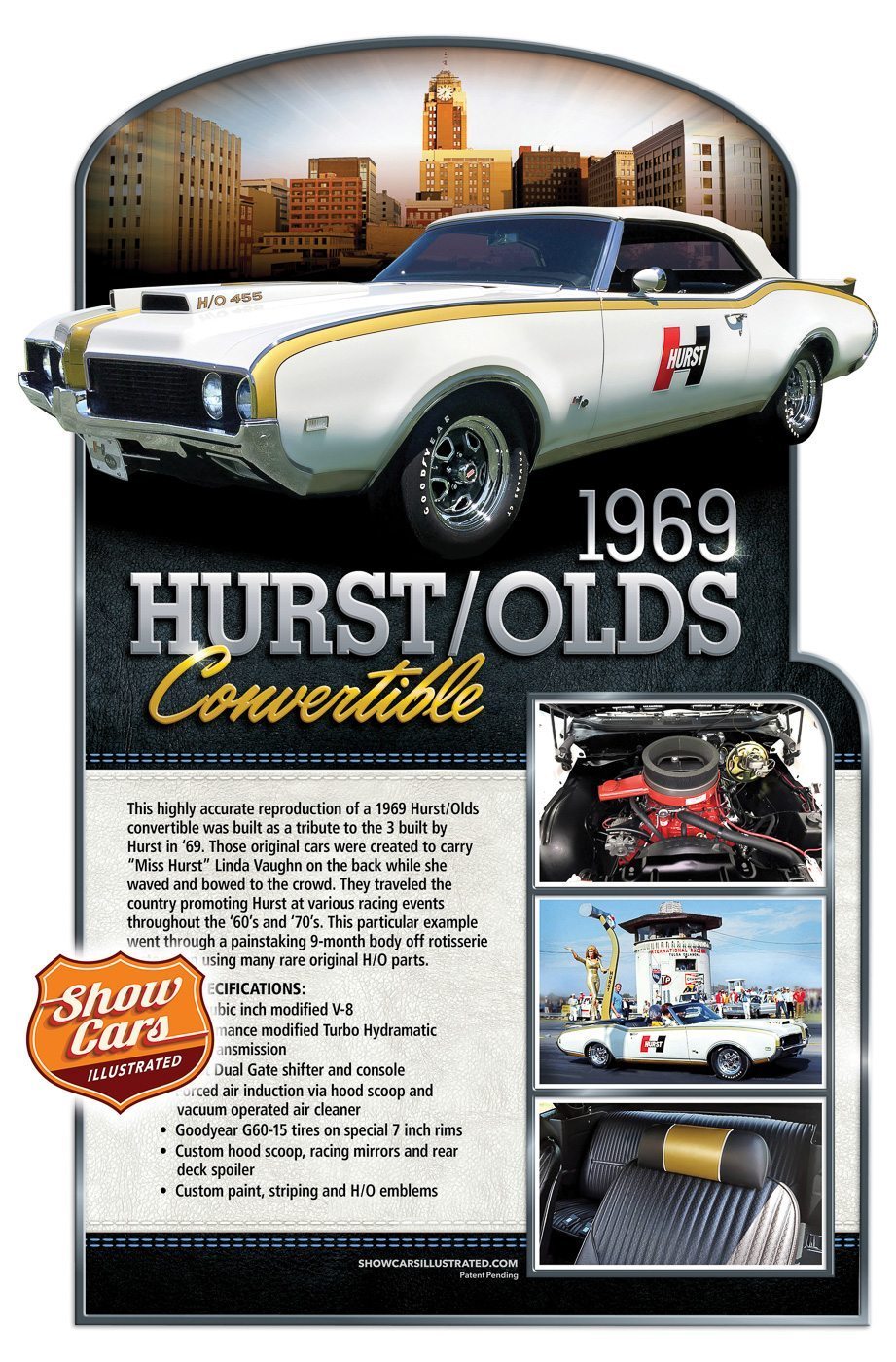
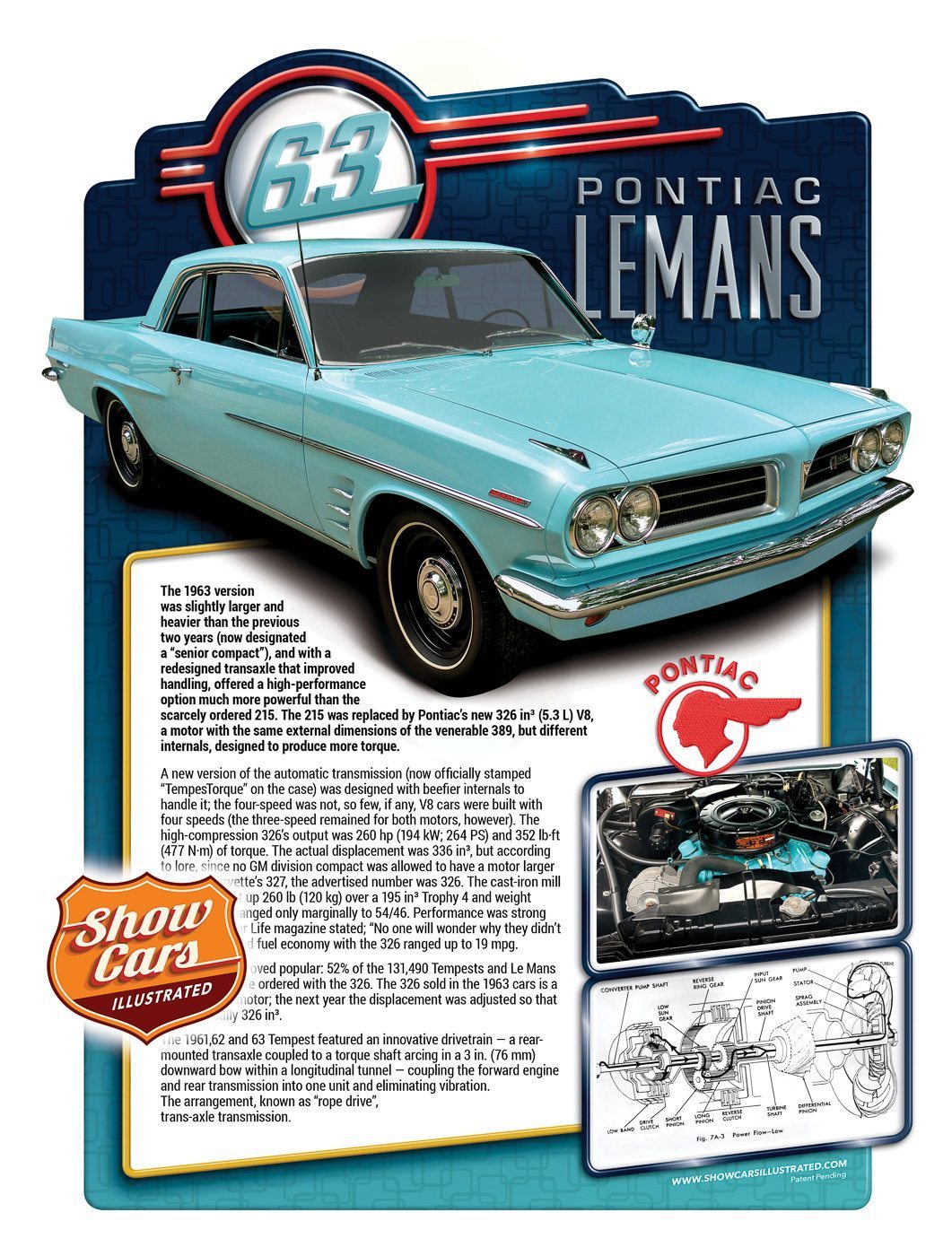
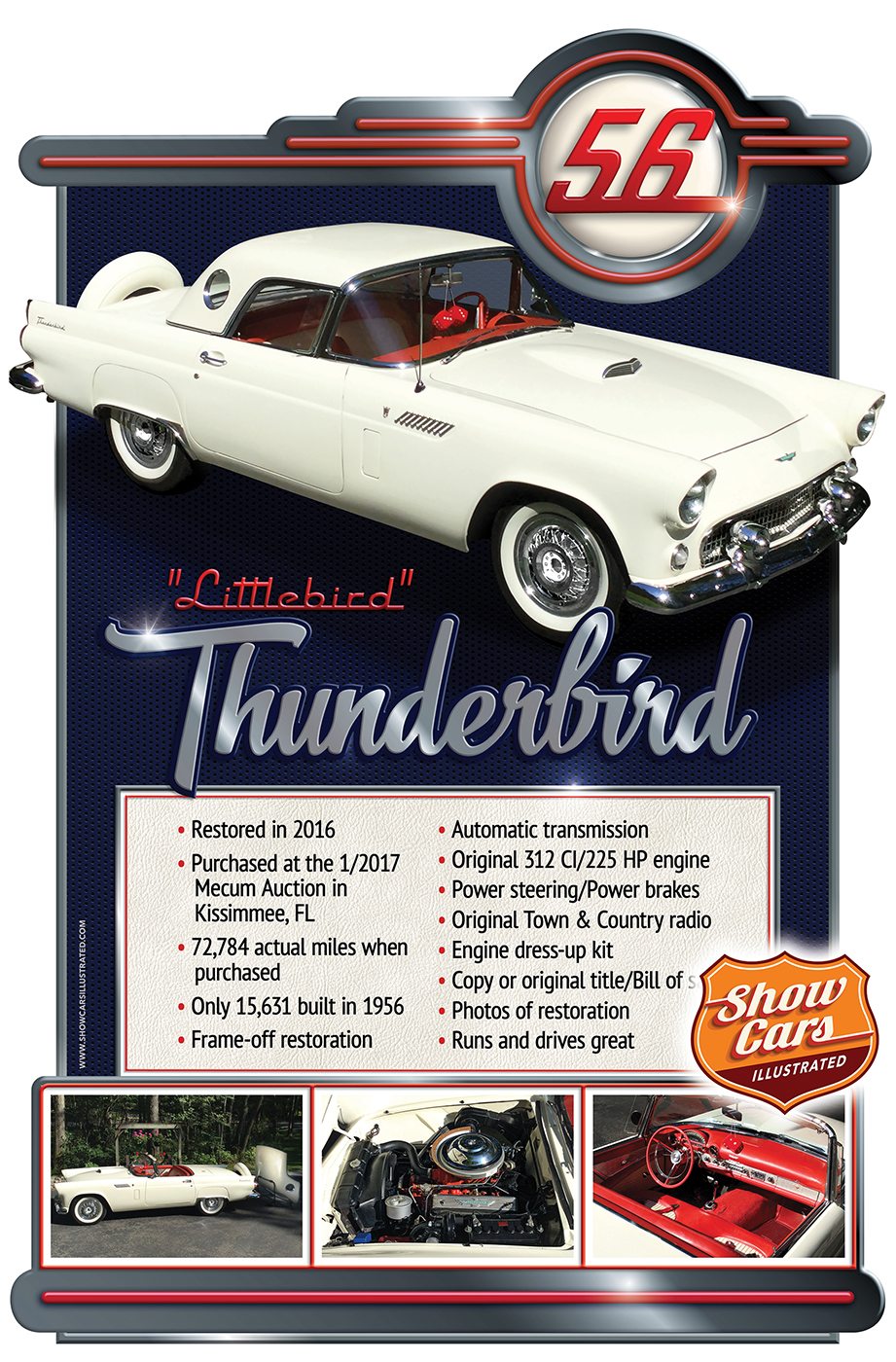
Bel Airs, Coupe DeVilles and finned convertibles. Drive-In and Motor City were both drawn for this era: Drive-In leans nostalgic and scene-setting, Motor City toward Detroit iron and factory heritage. All American is the alternative when you want the chrome and the paint to do the talking.

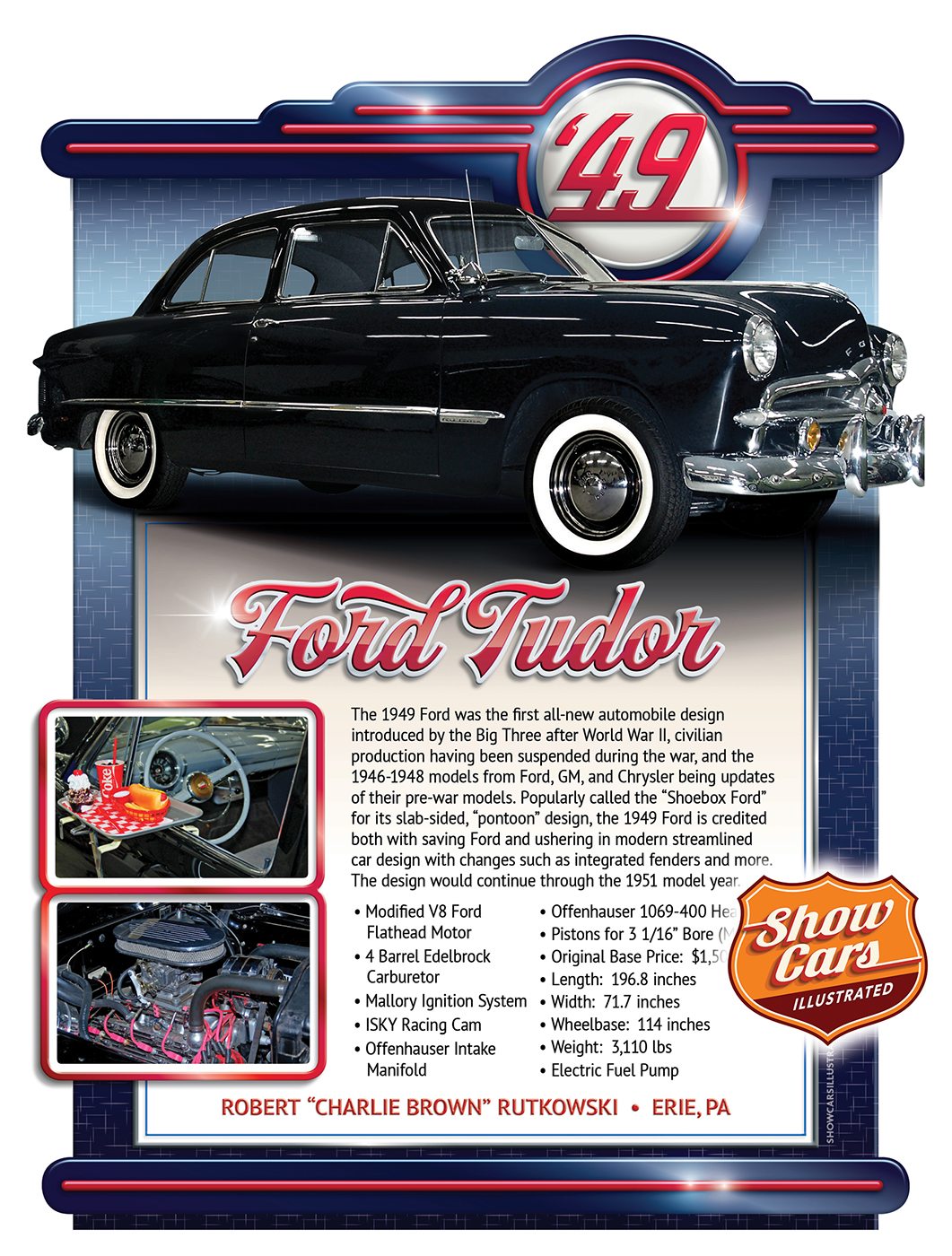
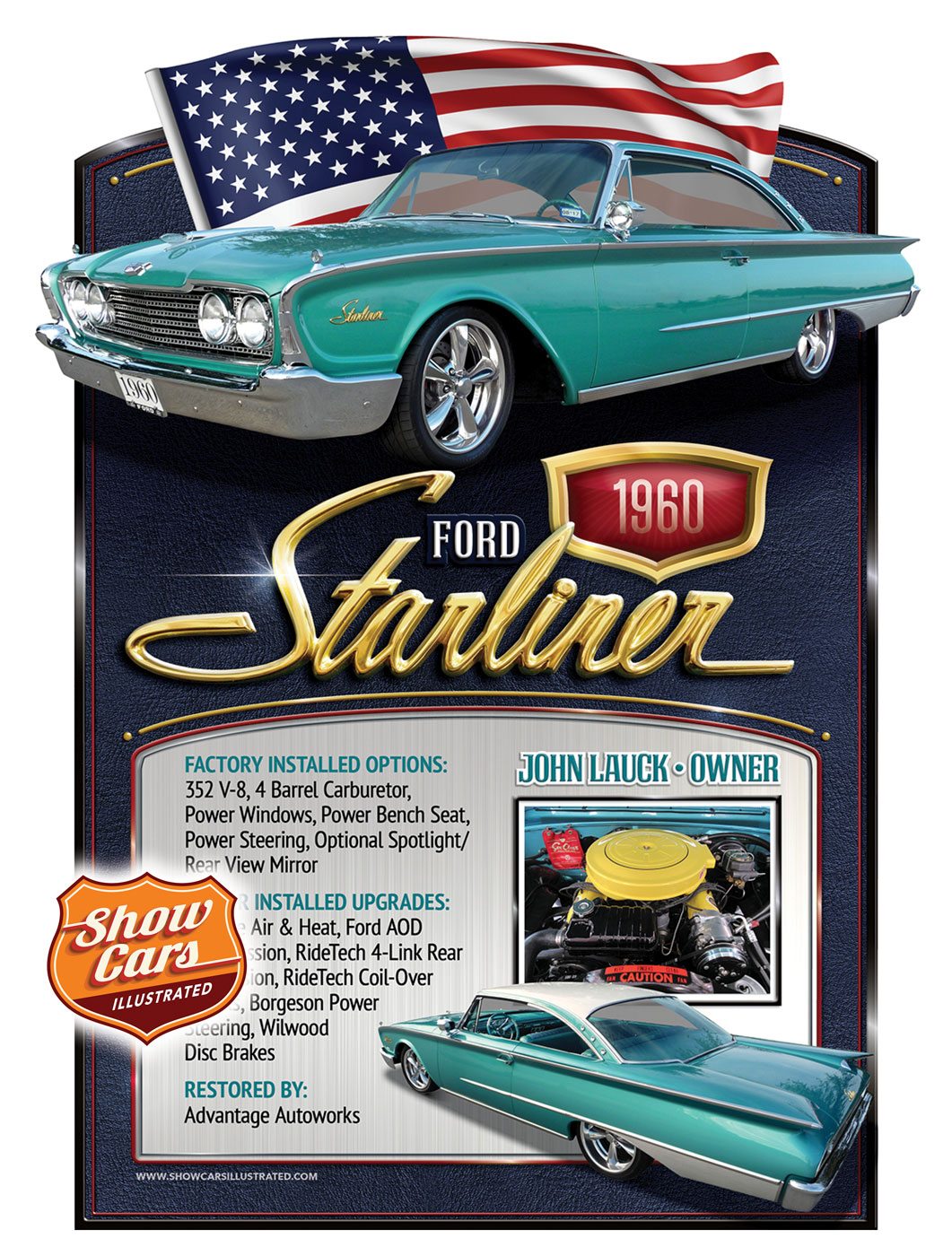
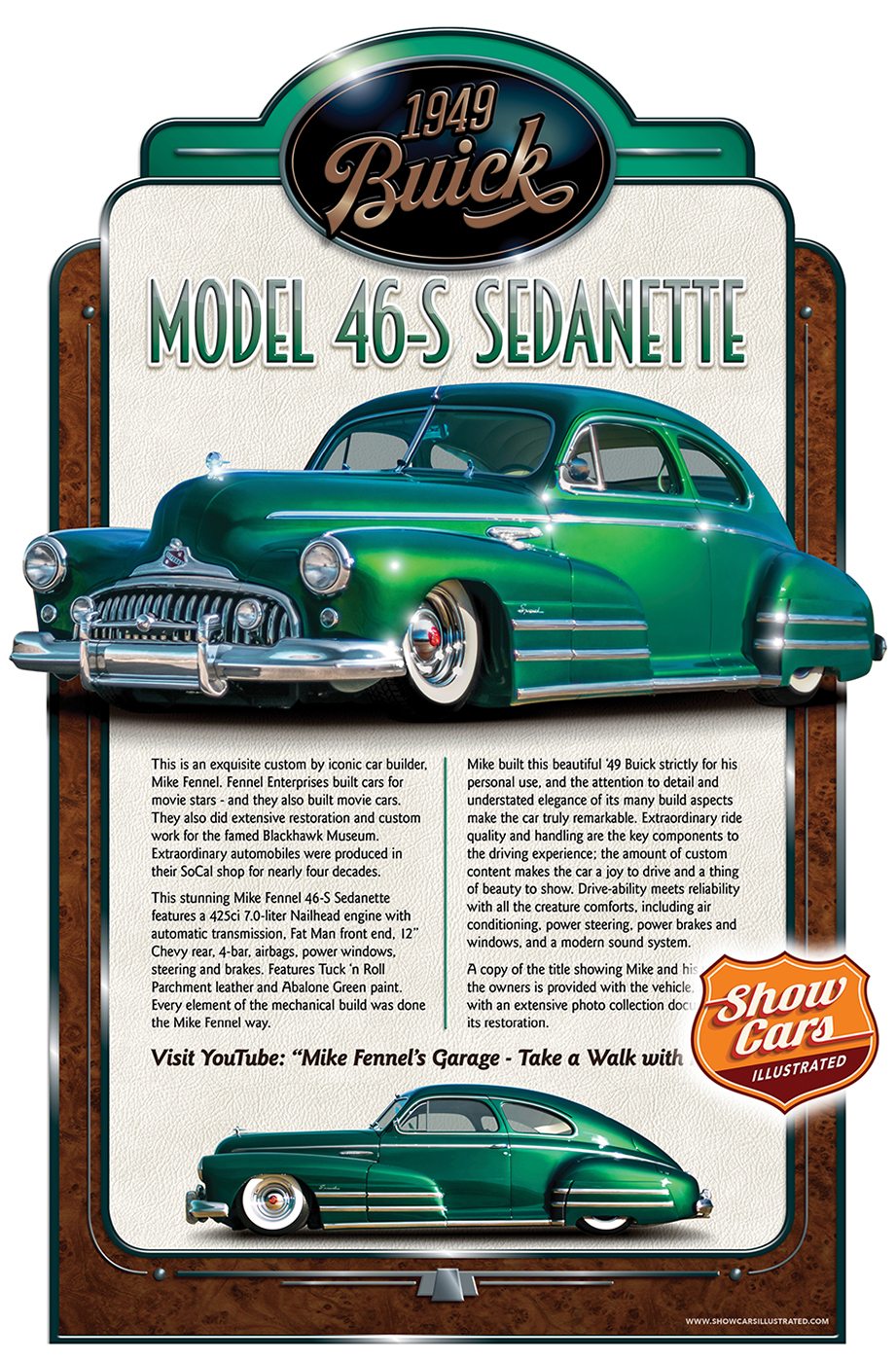
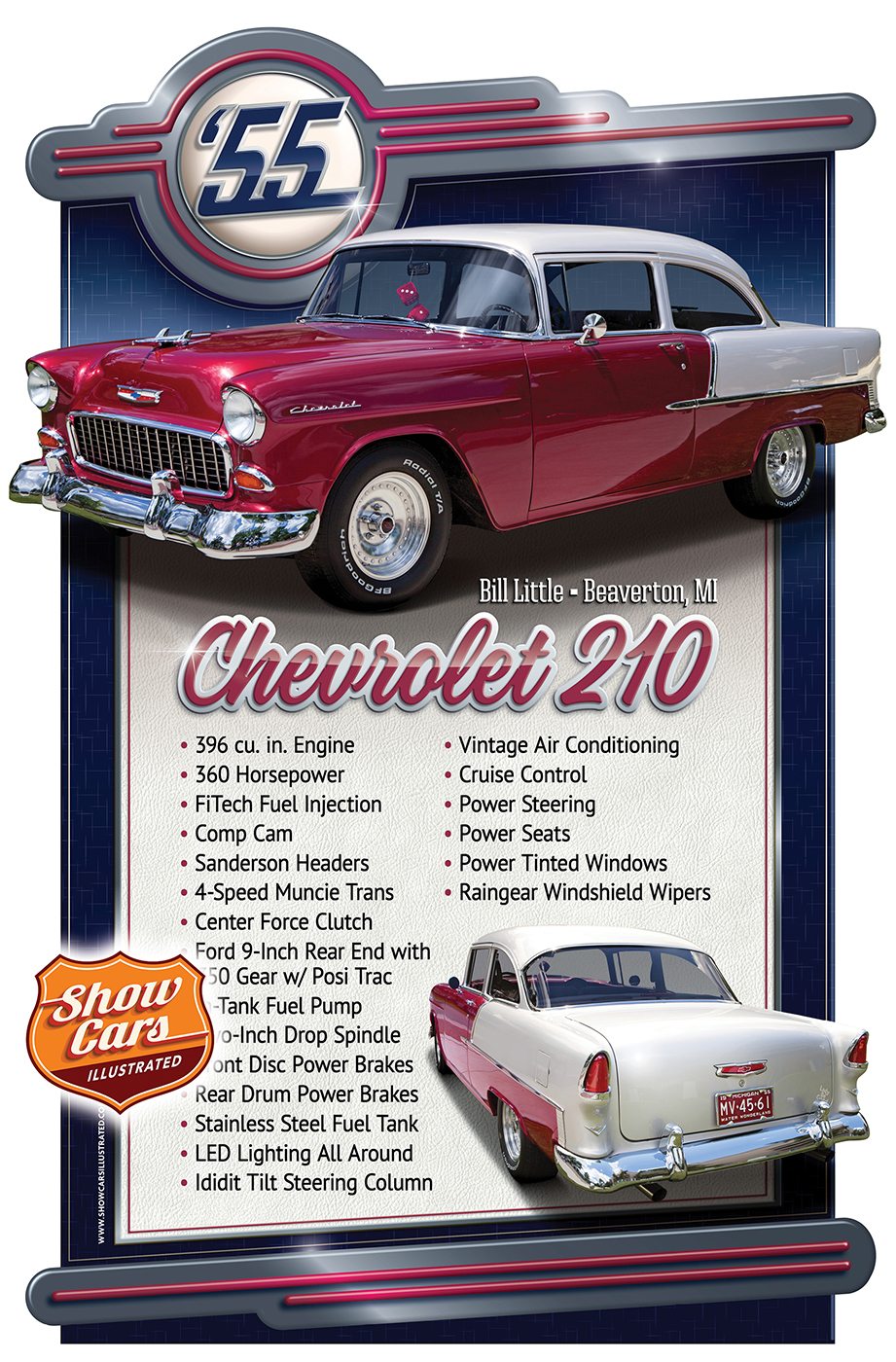
Muscle & Pony Cars
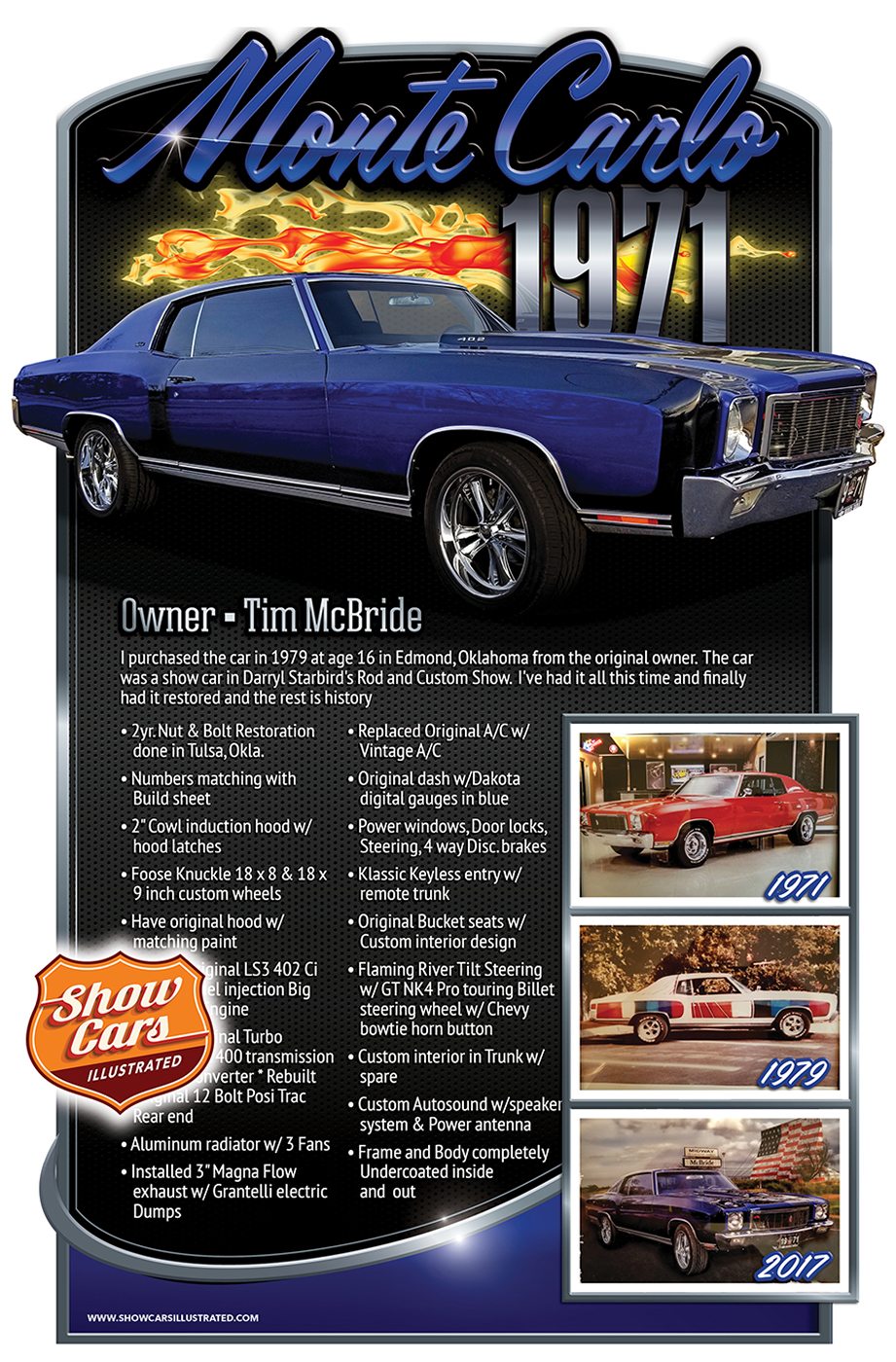
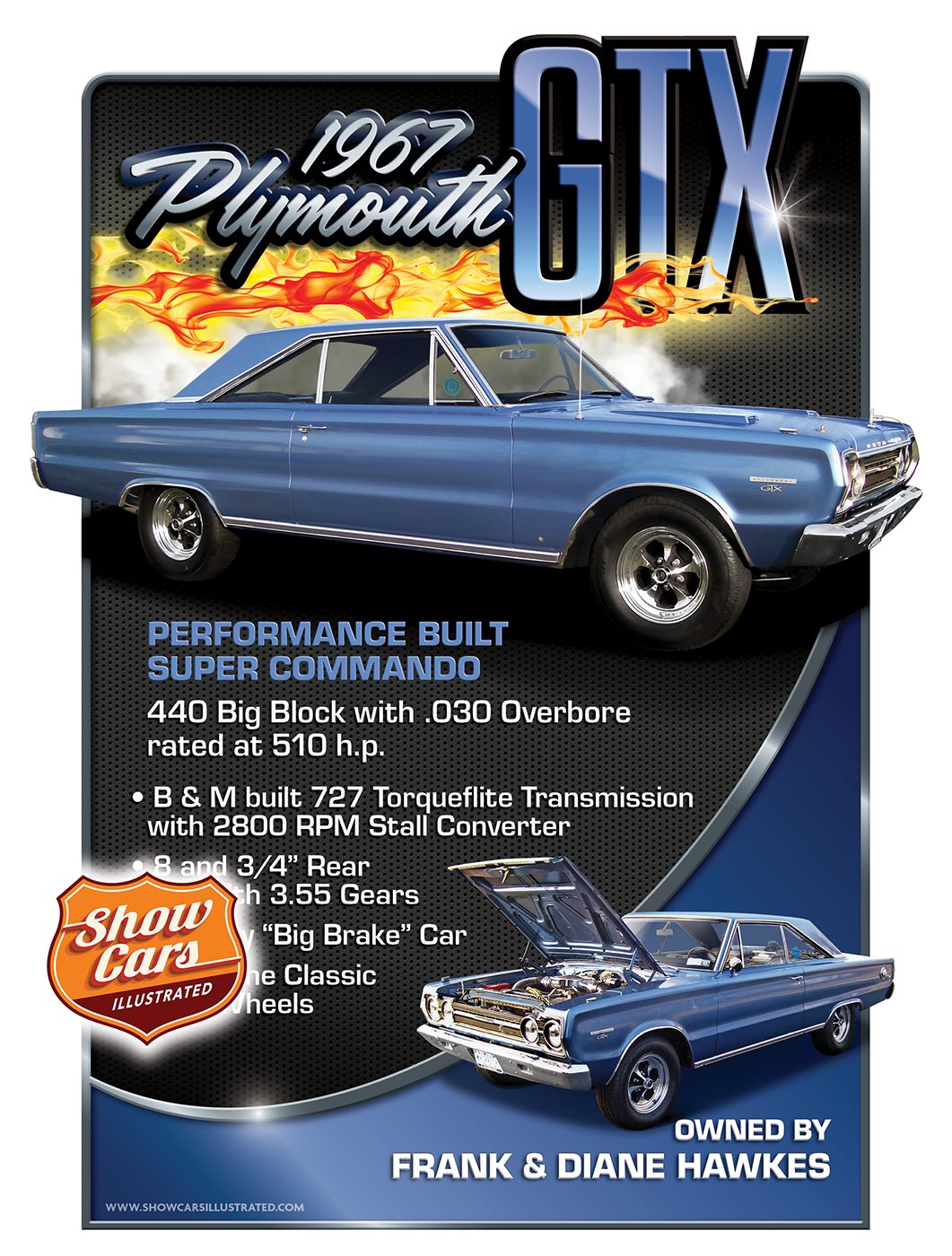
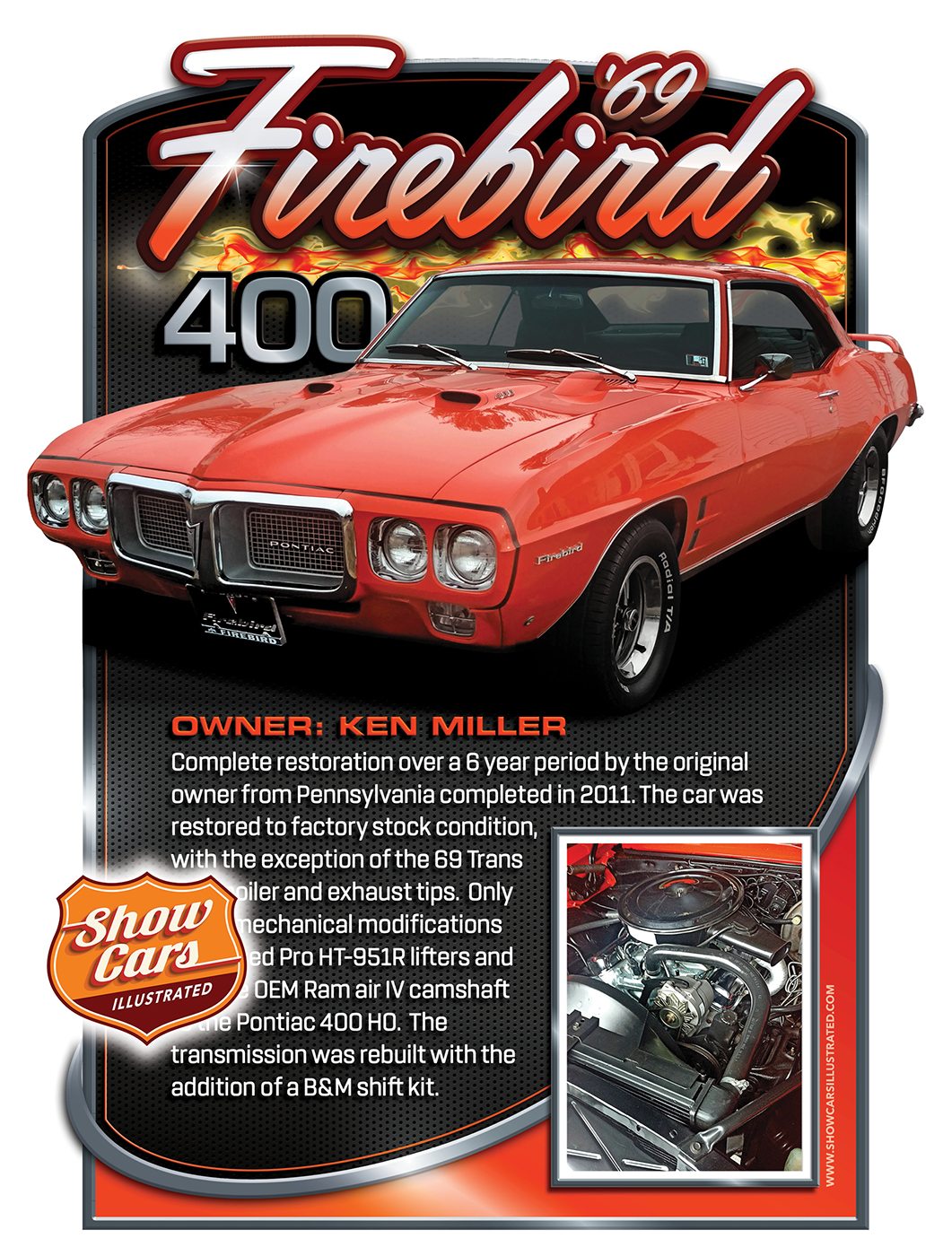
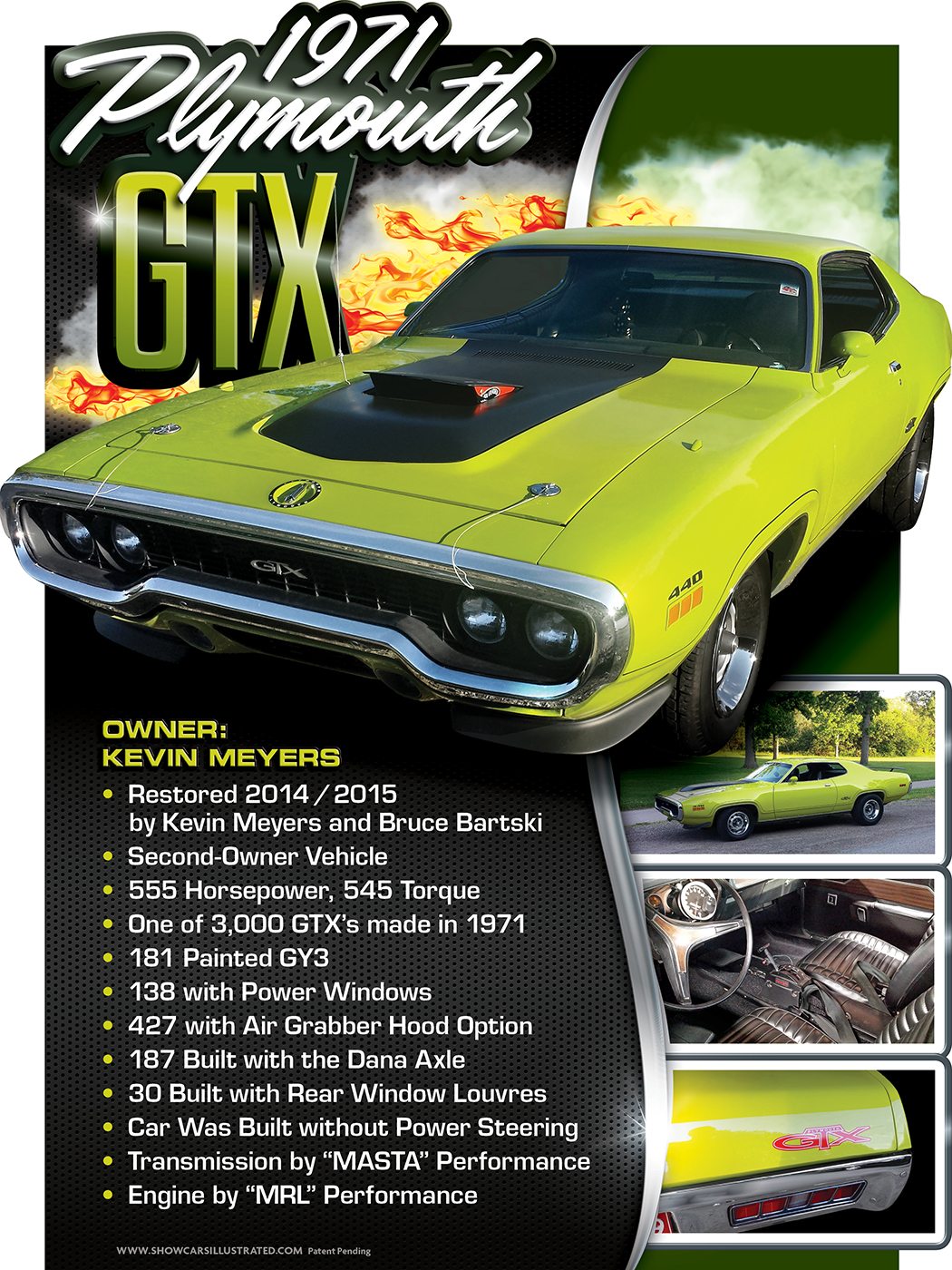
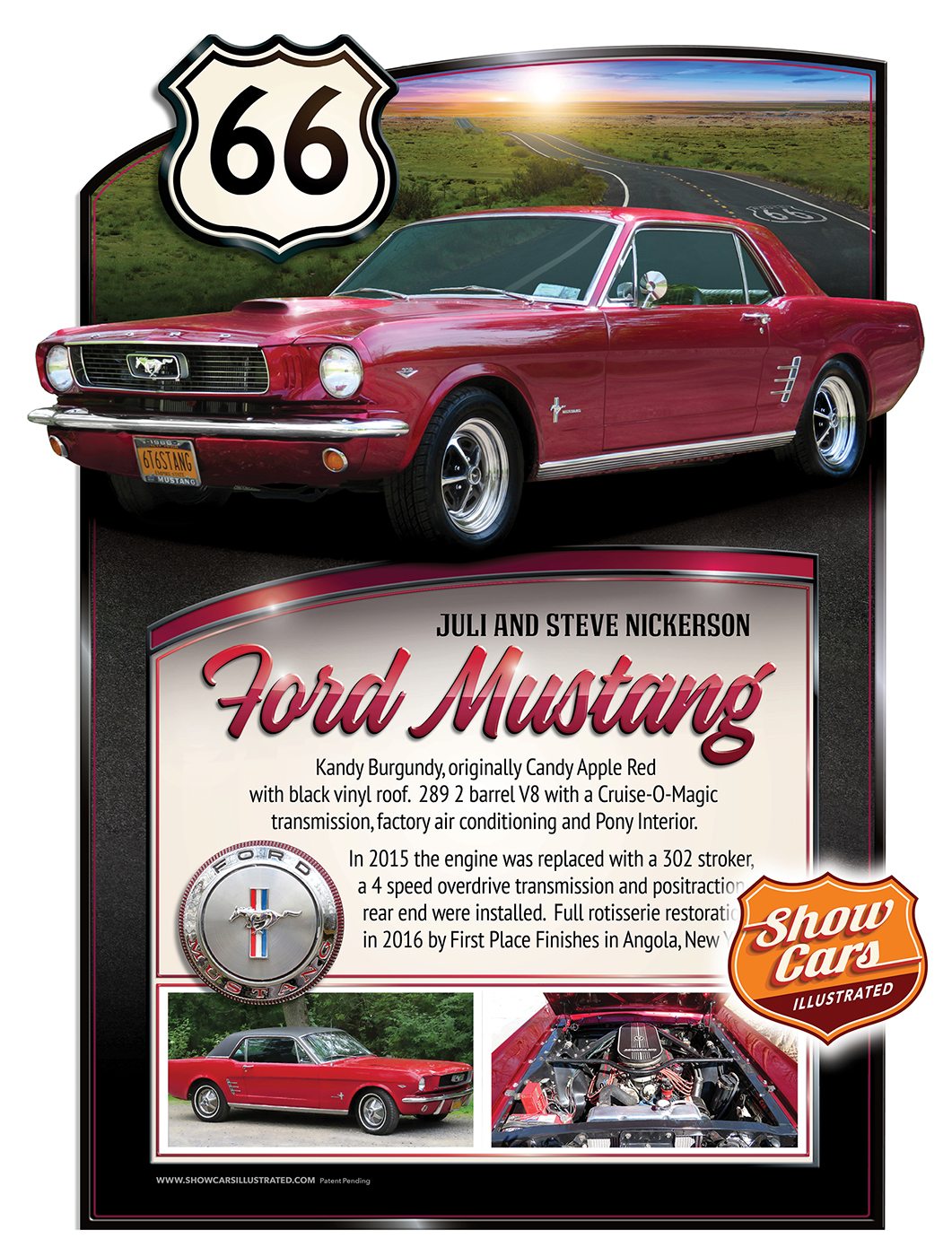
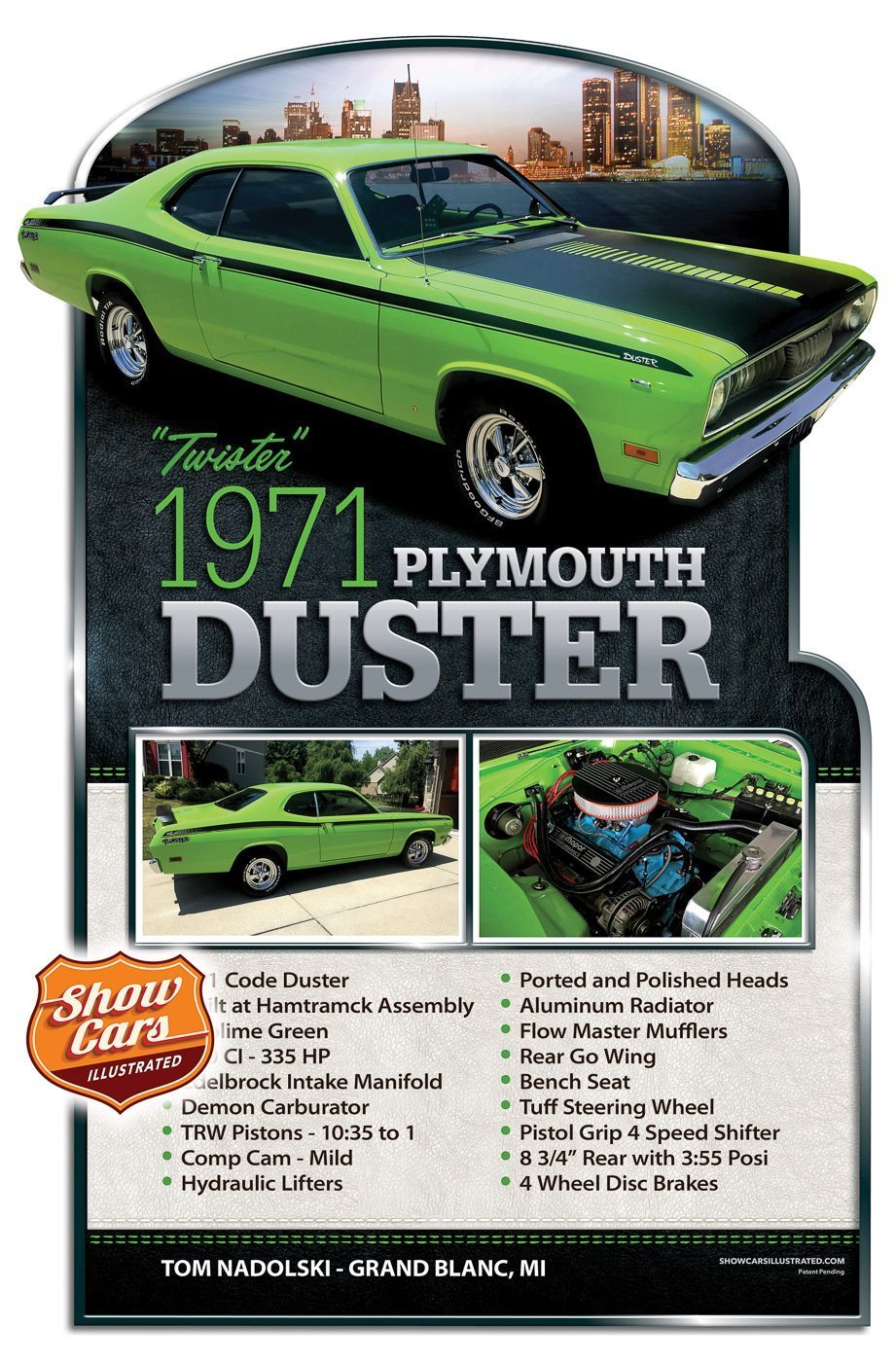
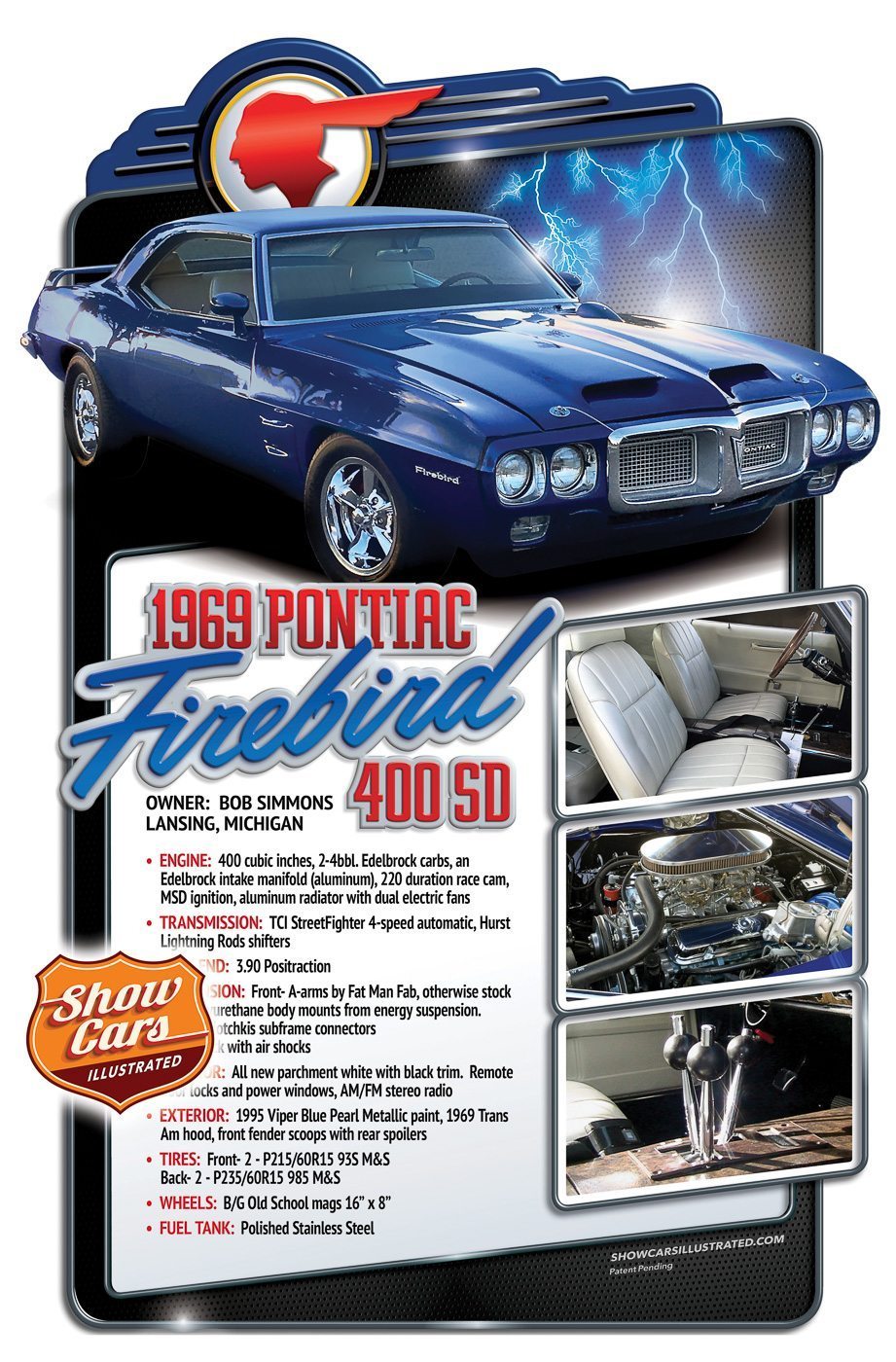
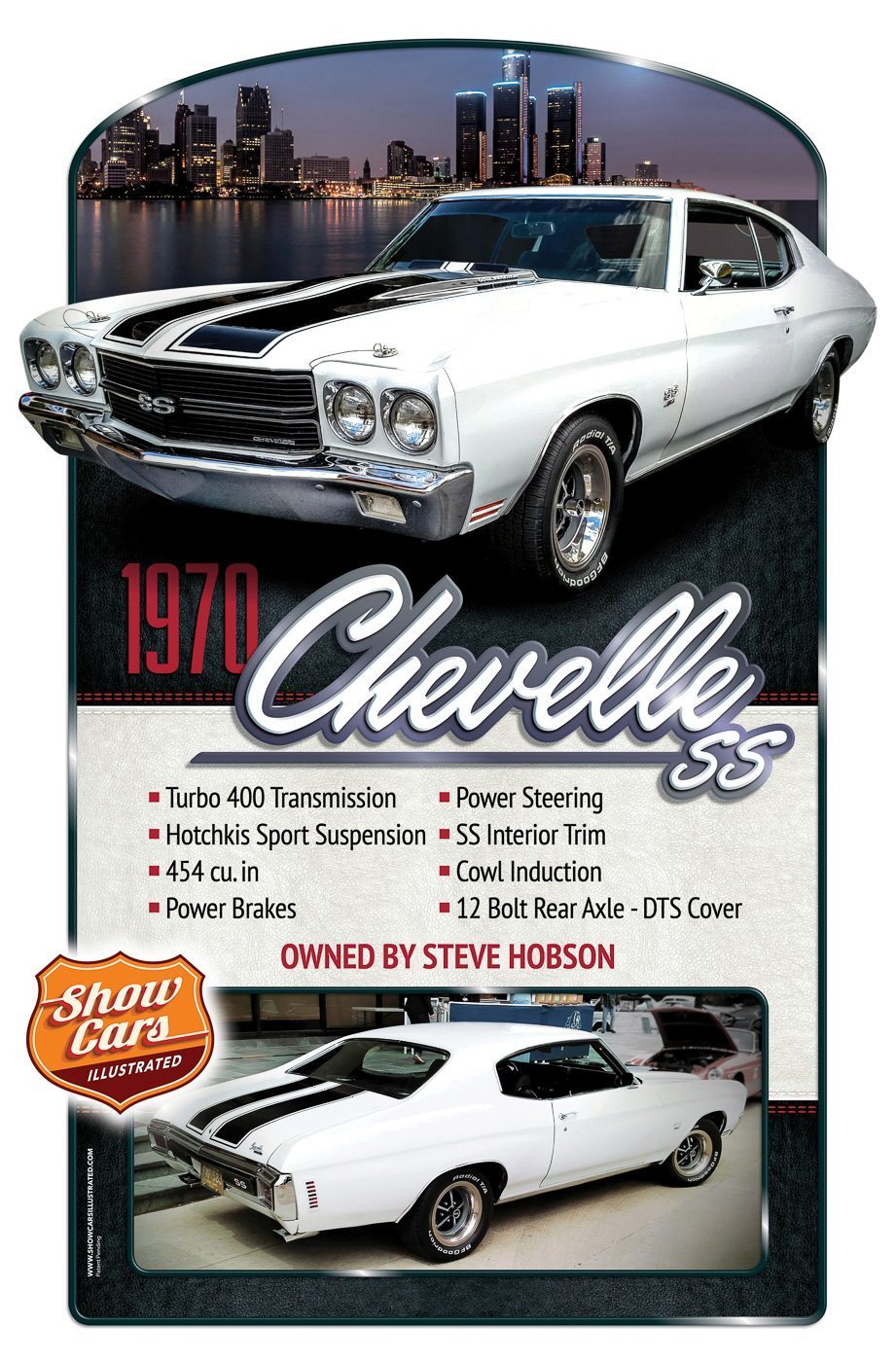
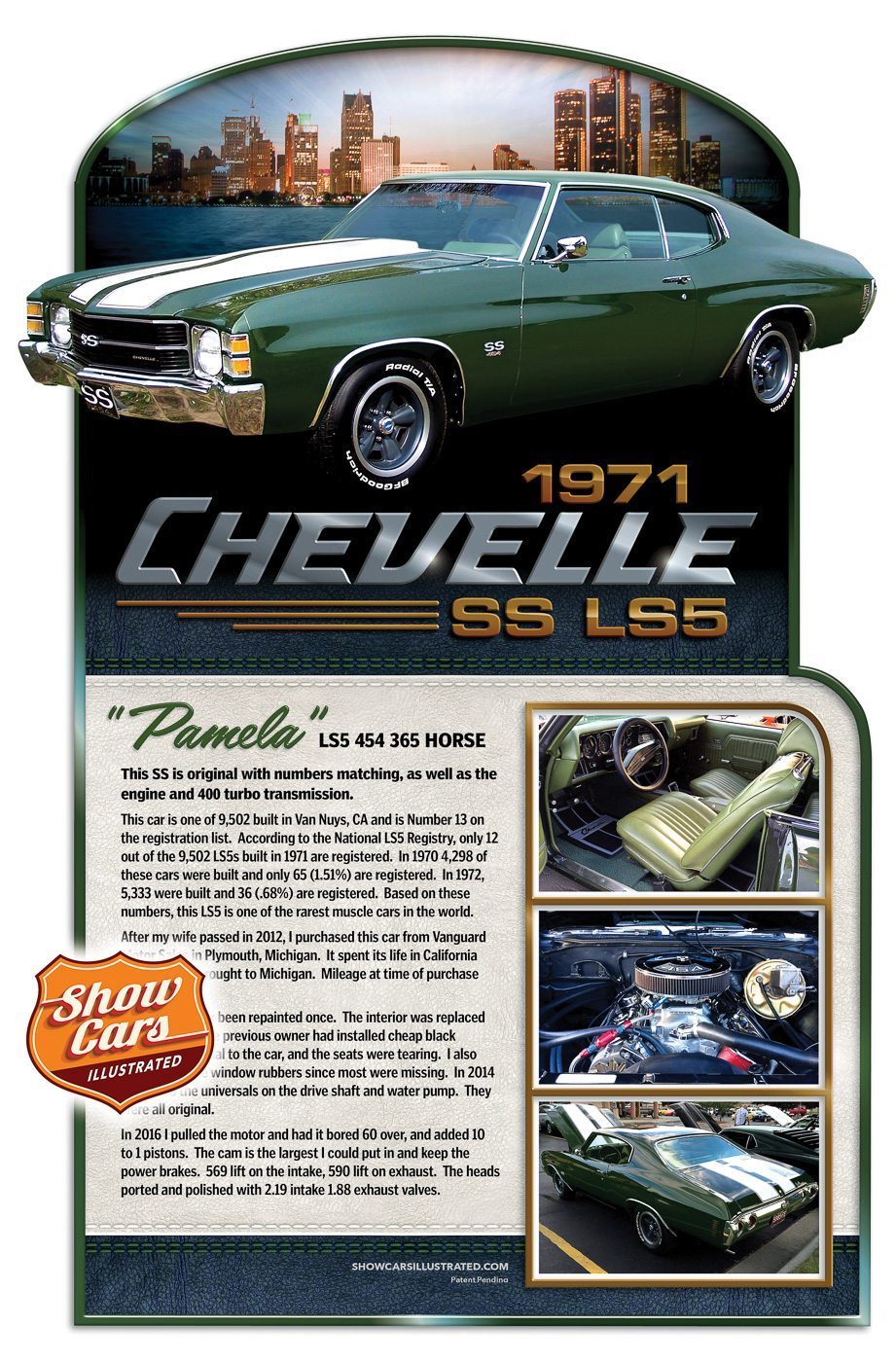
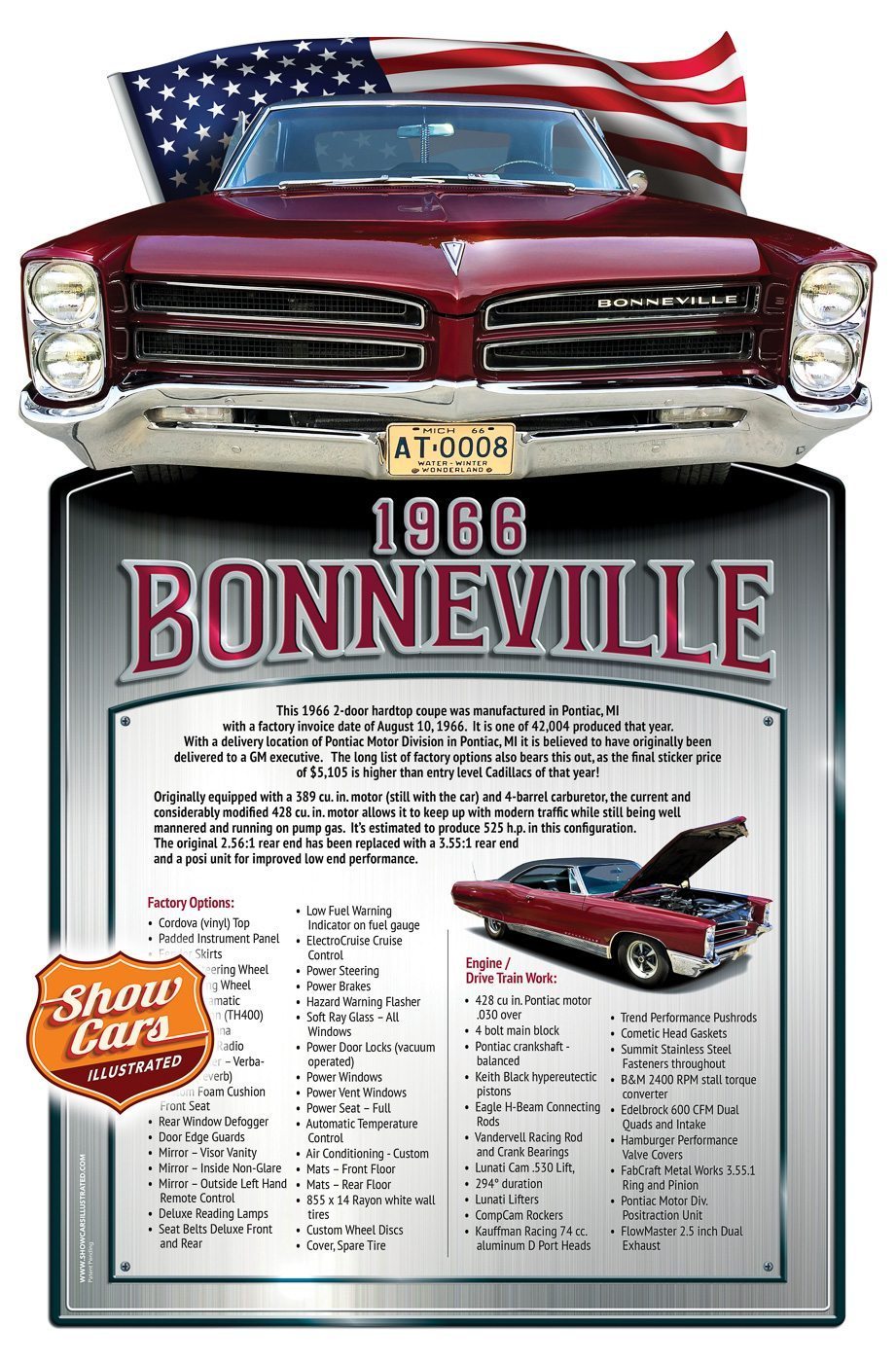
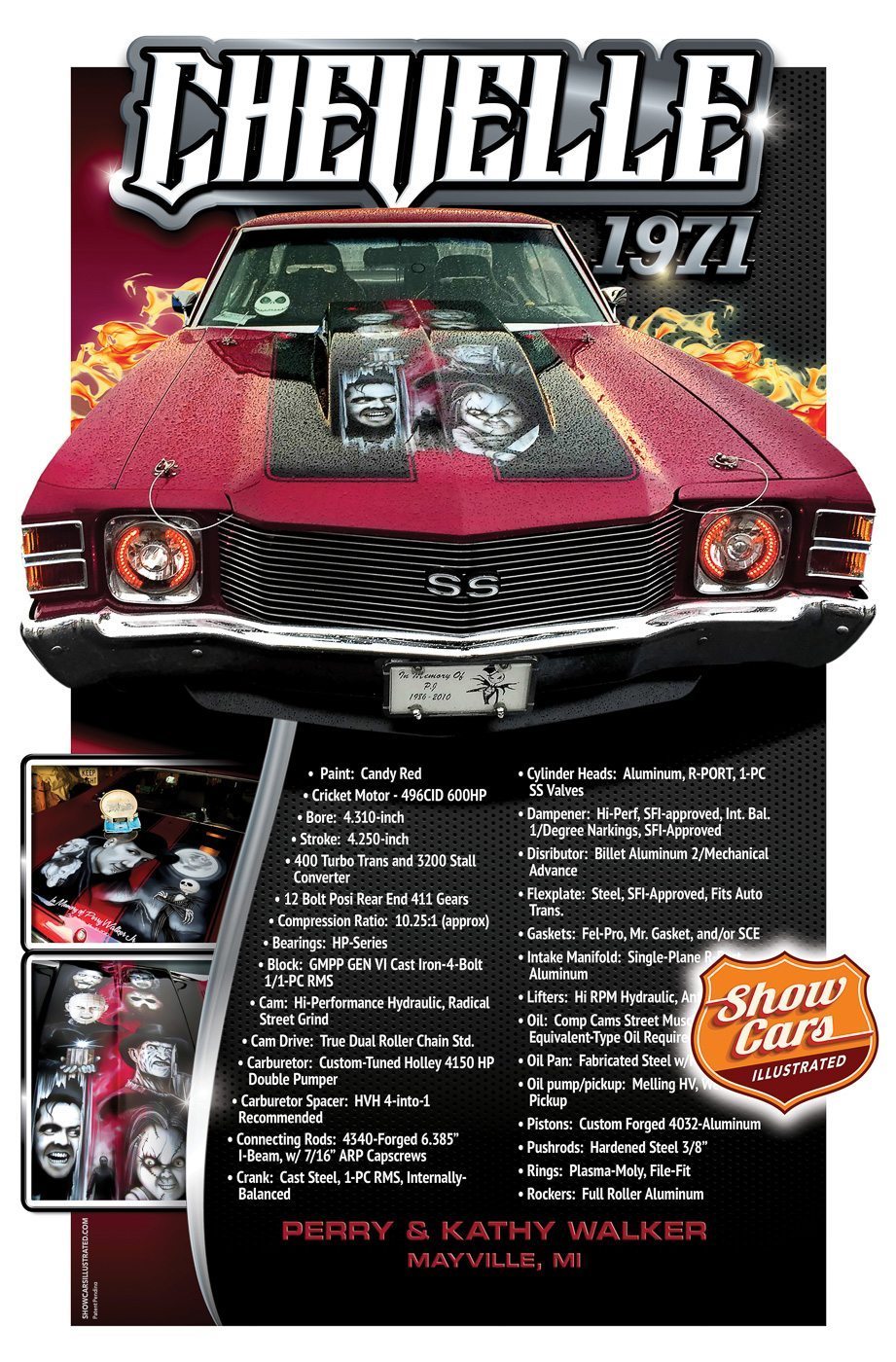
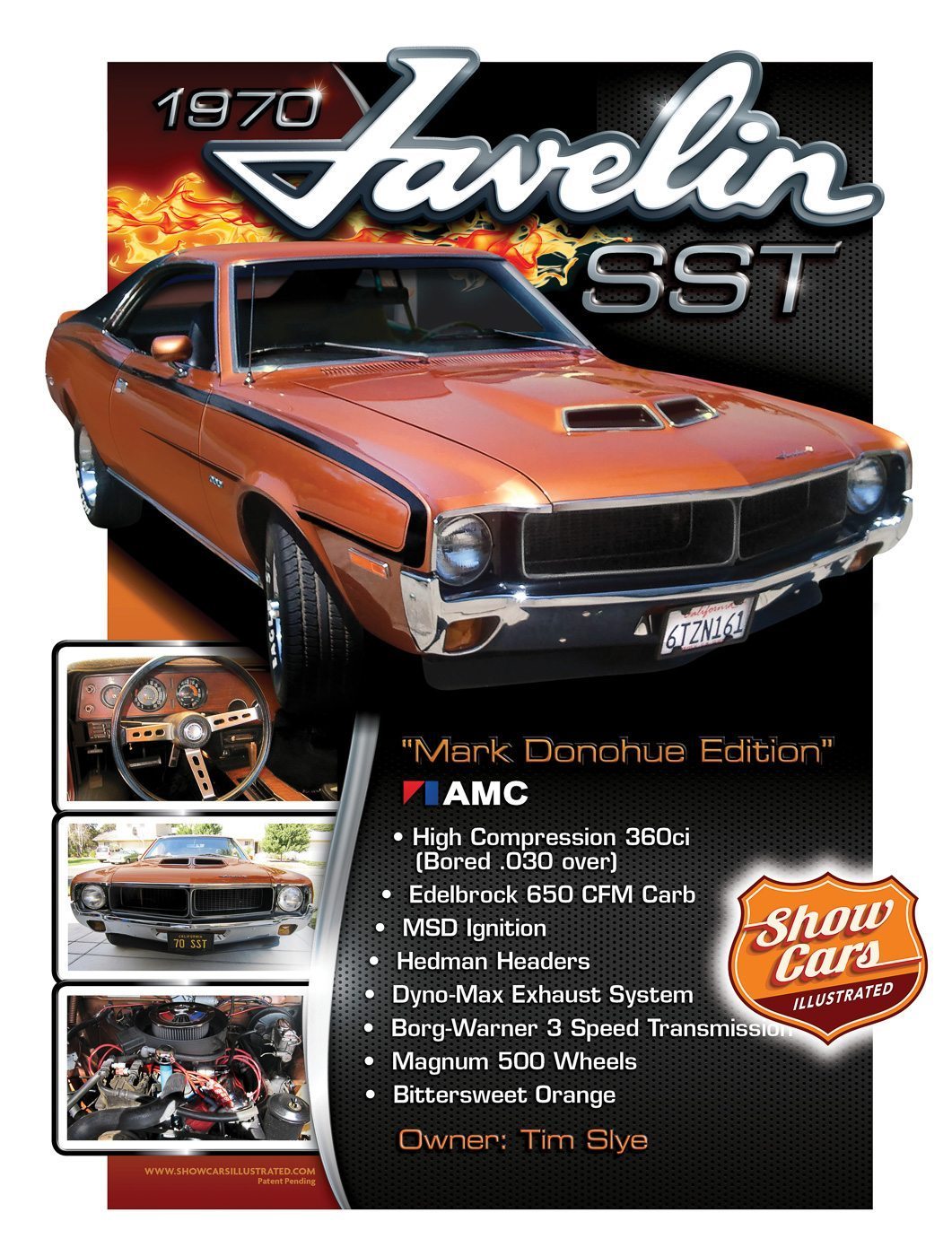
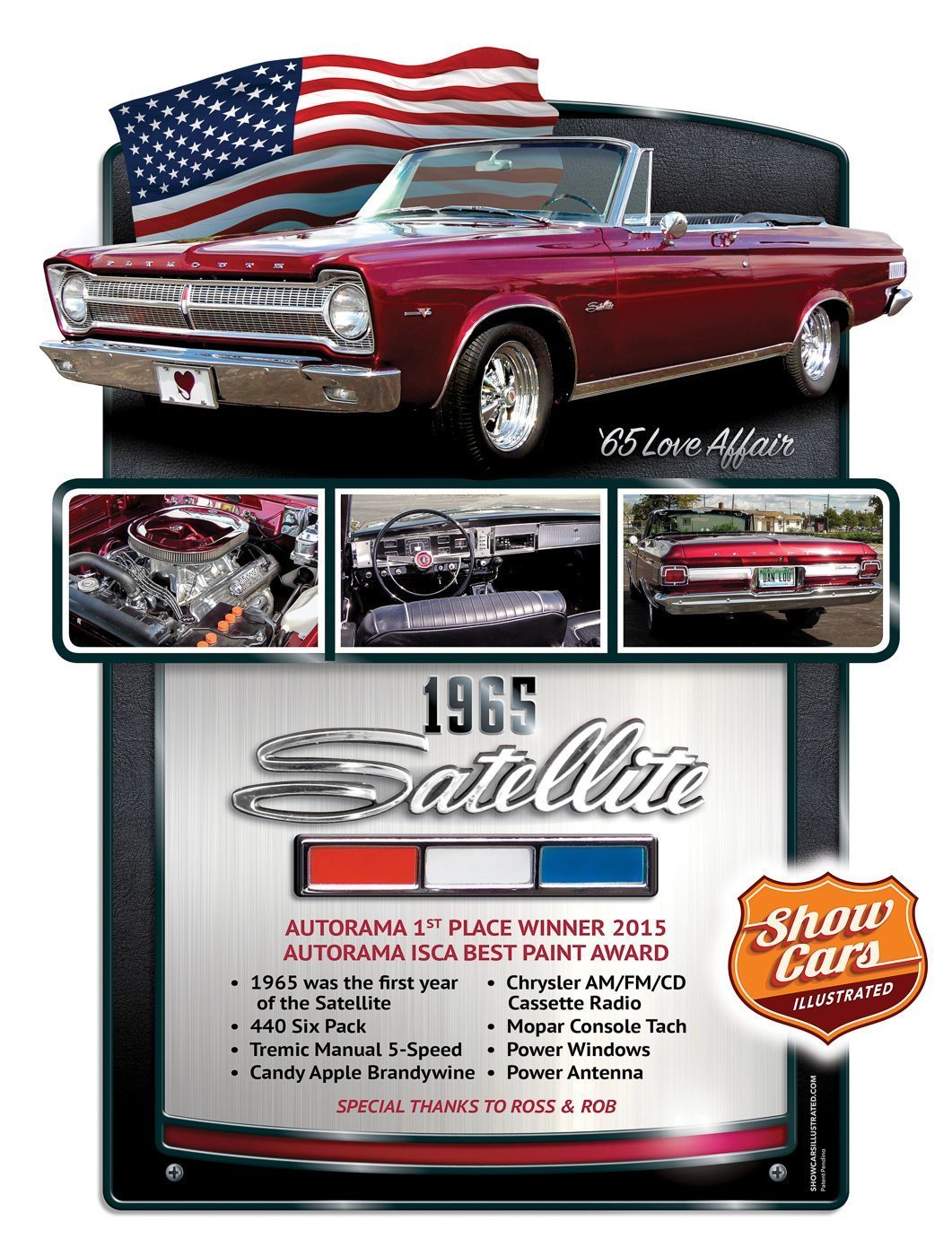
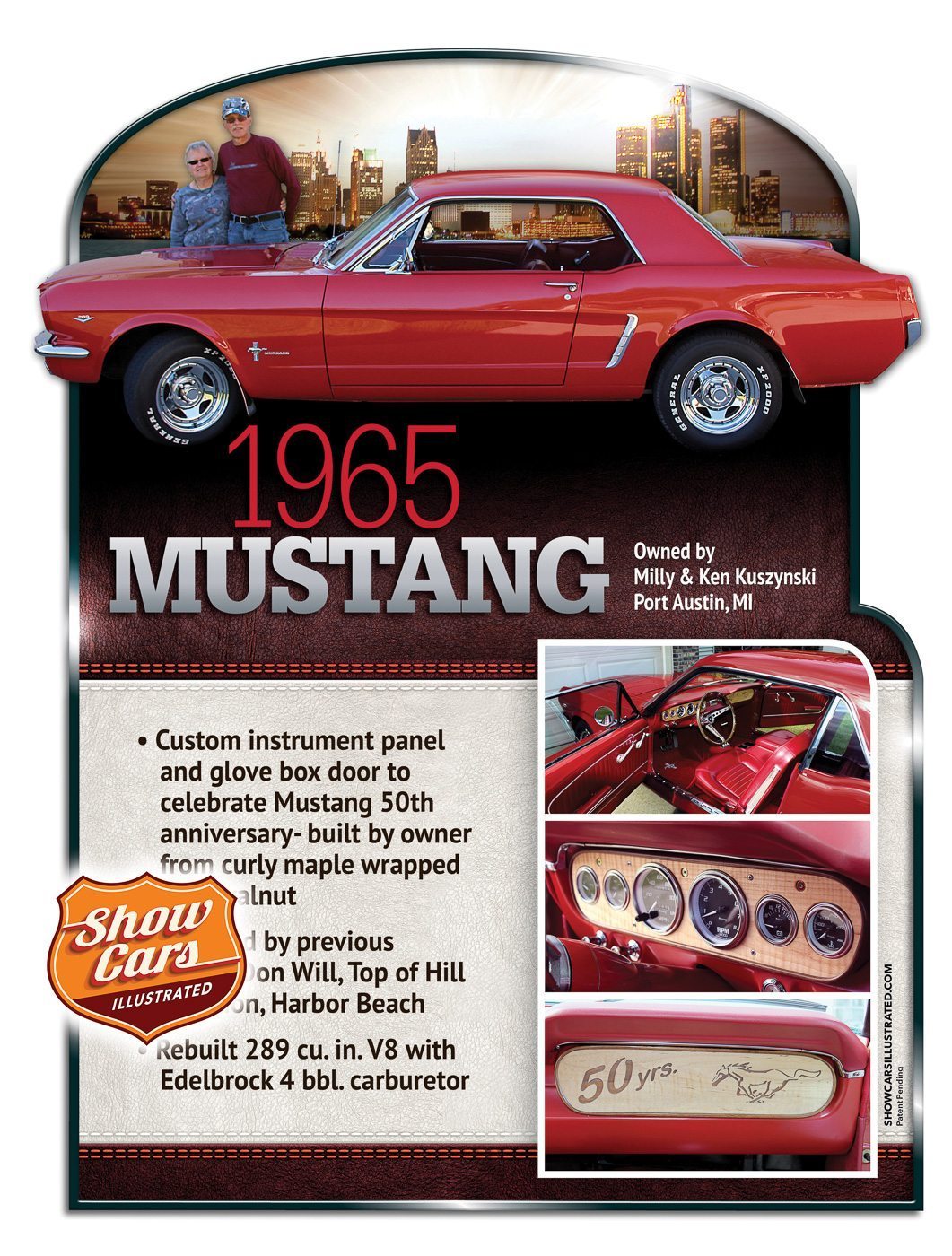
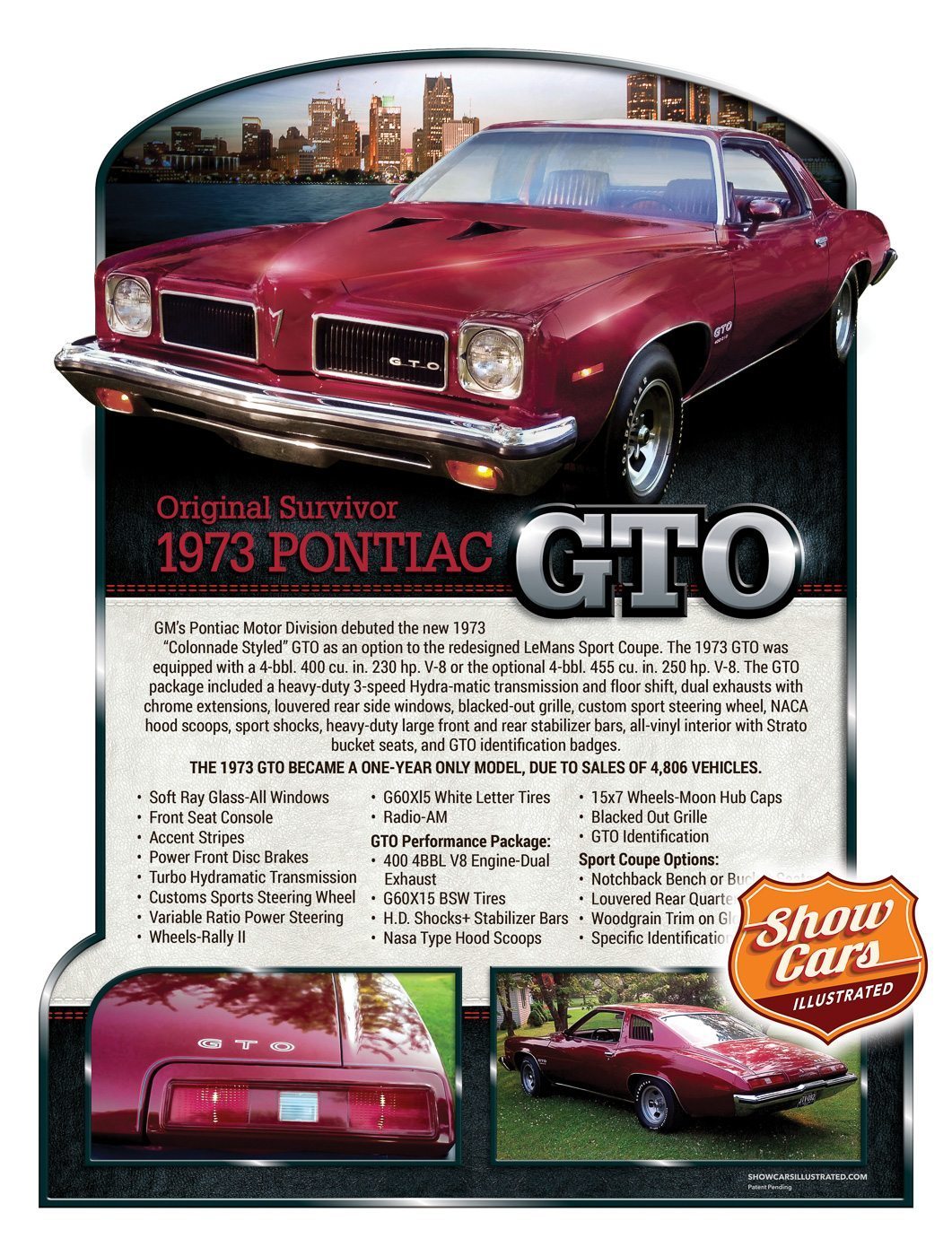
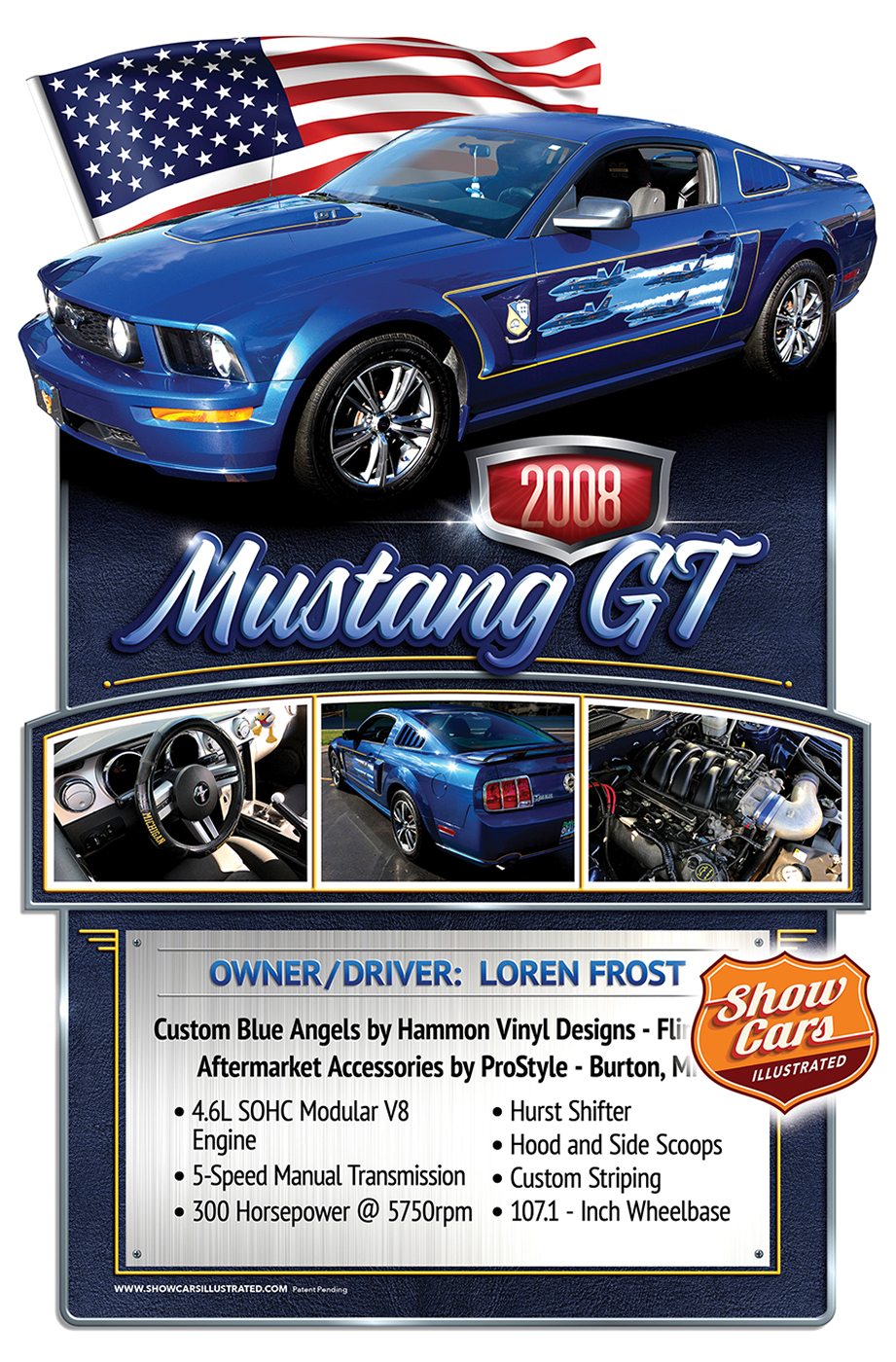
The largest group here by some margin — Mustangs, Camaros, Chevelles and Mopars. Solid Muscle is the default and the most-used theme on the page, Motor City suits documented factory and numbers-matching builds, and Route 66 fits drivers and road-trip cars. All American works for any of them.
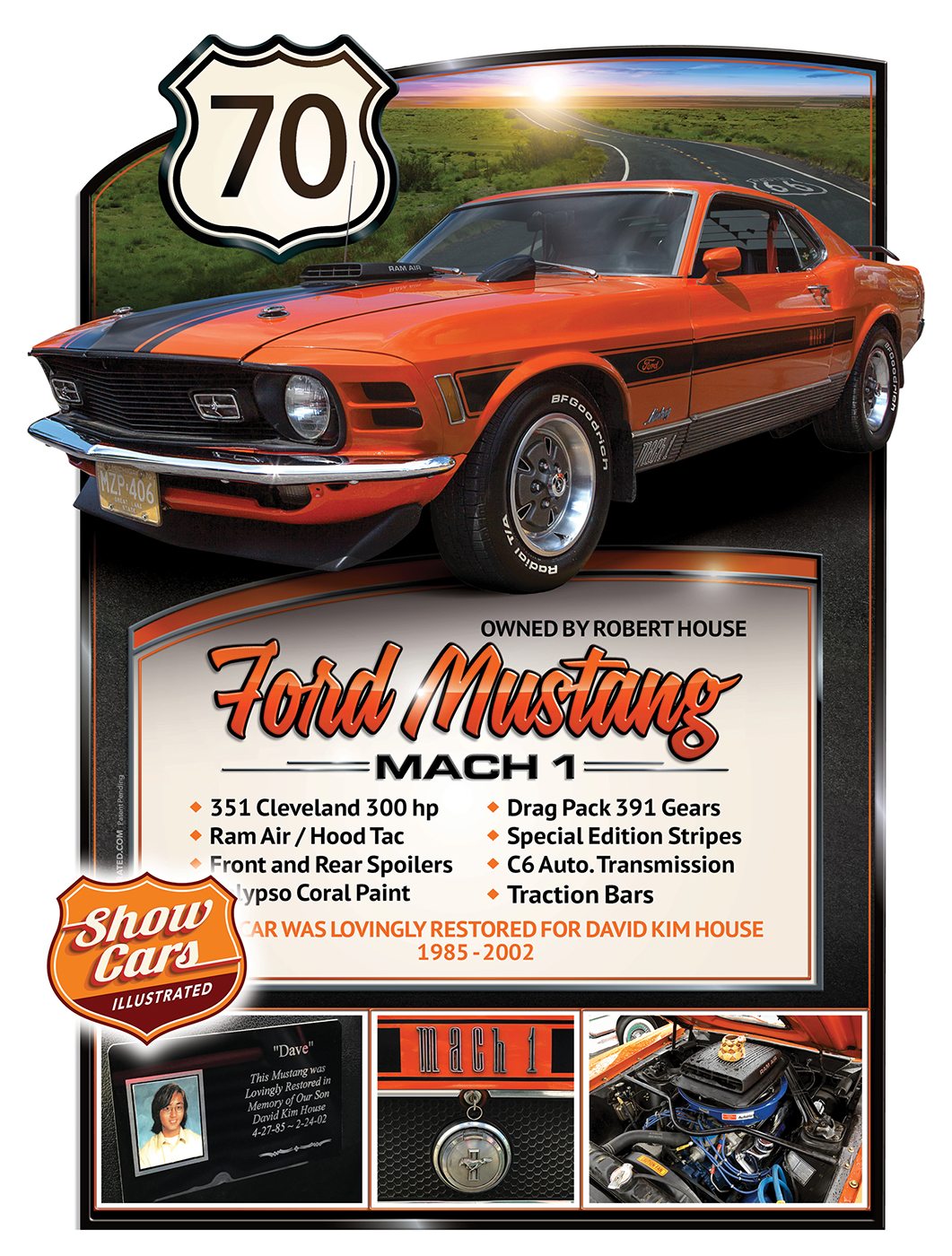
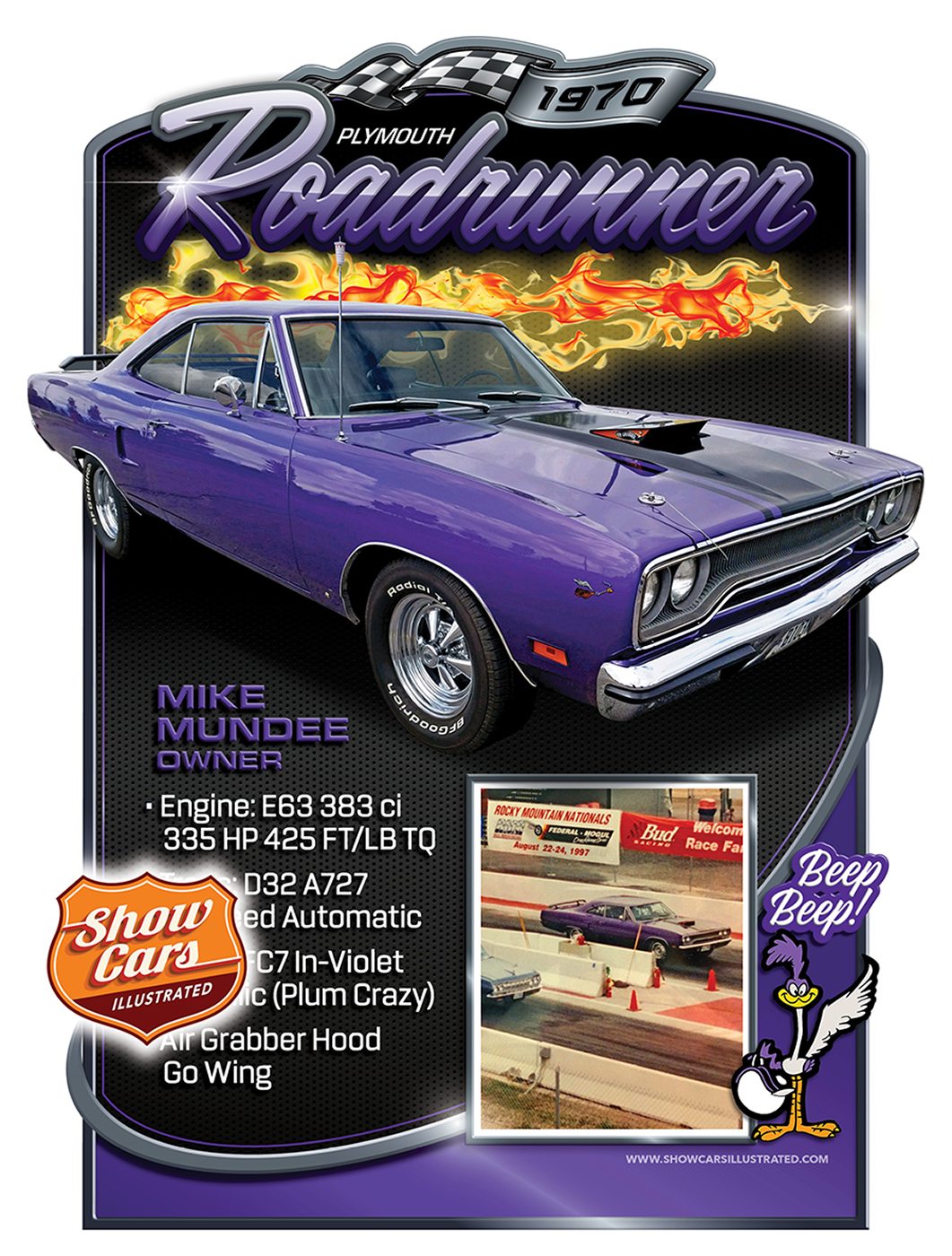

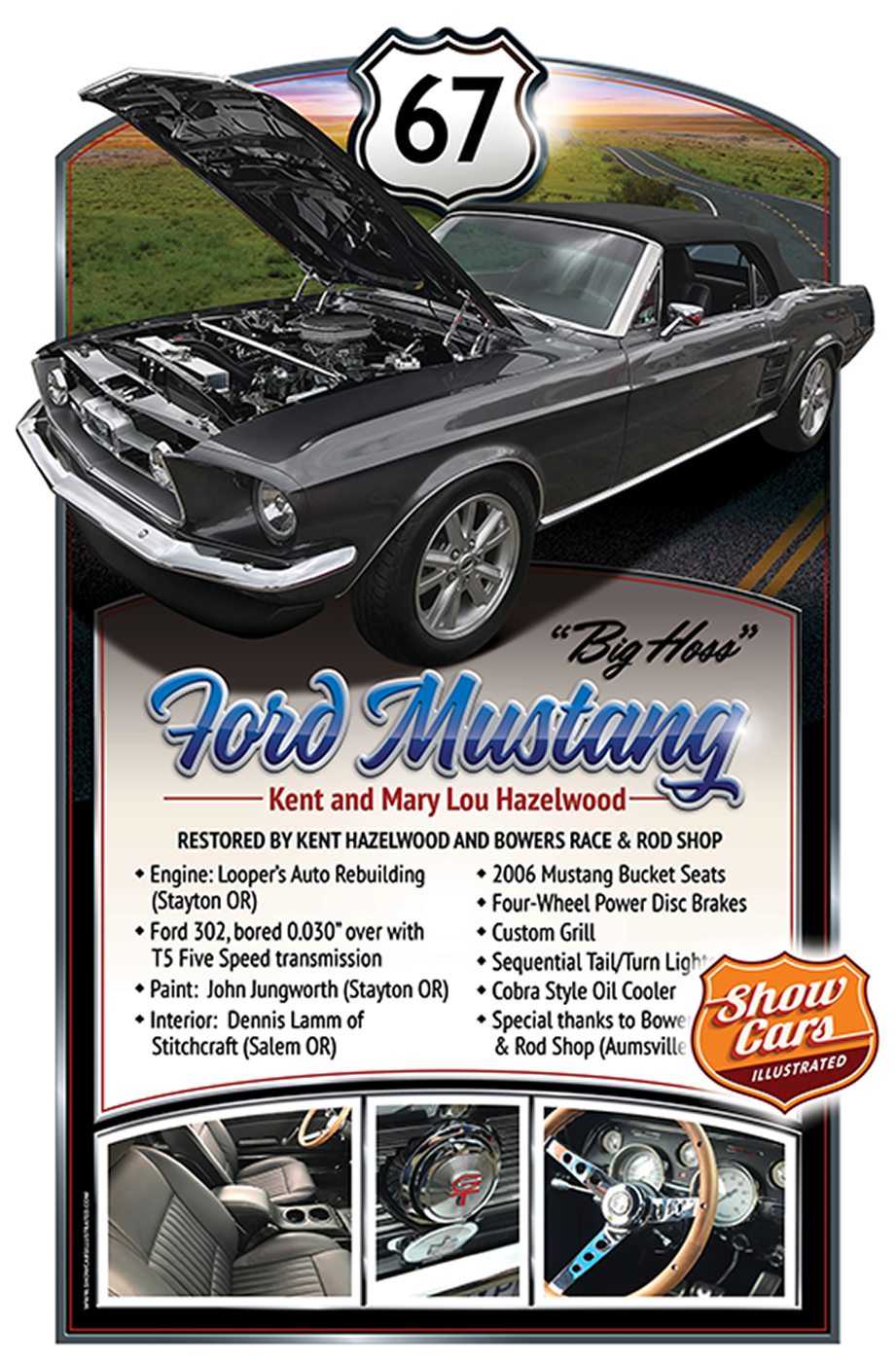

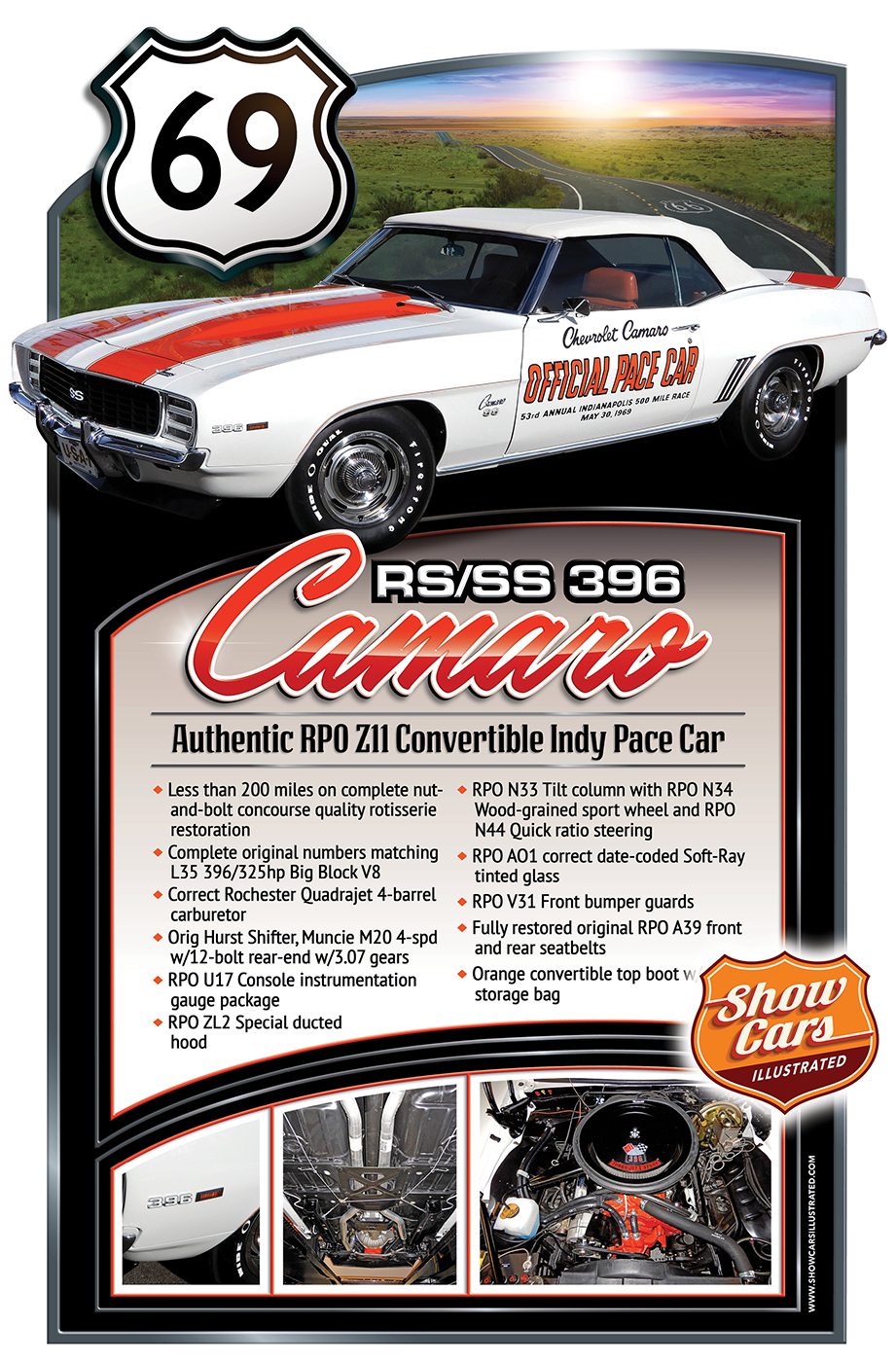
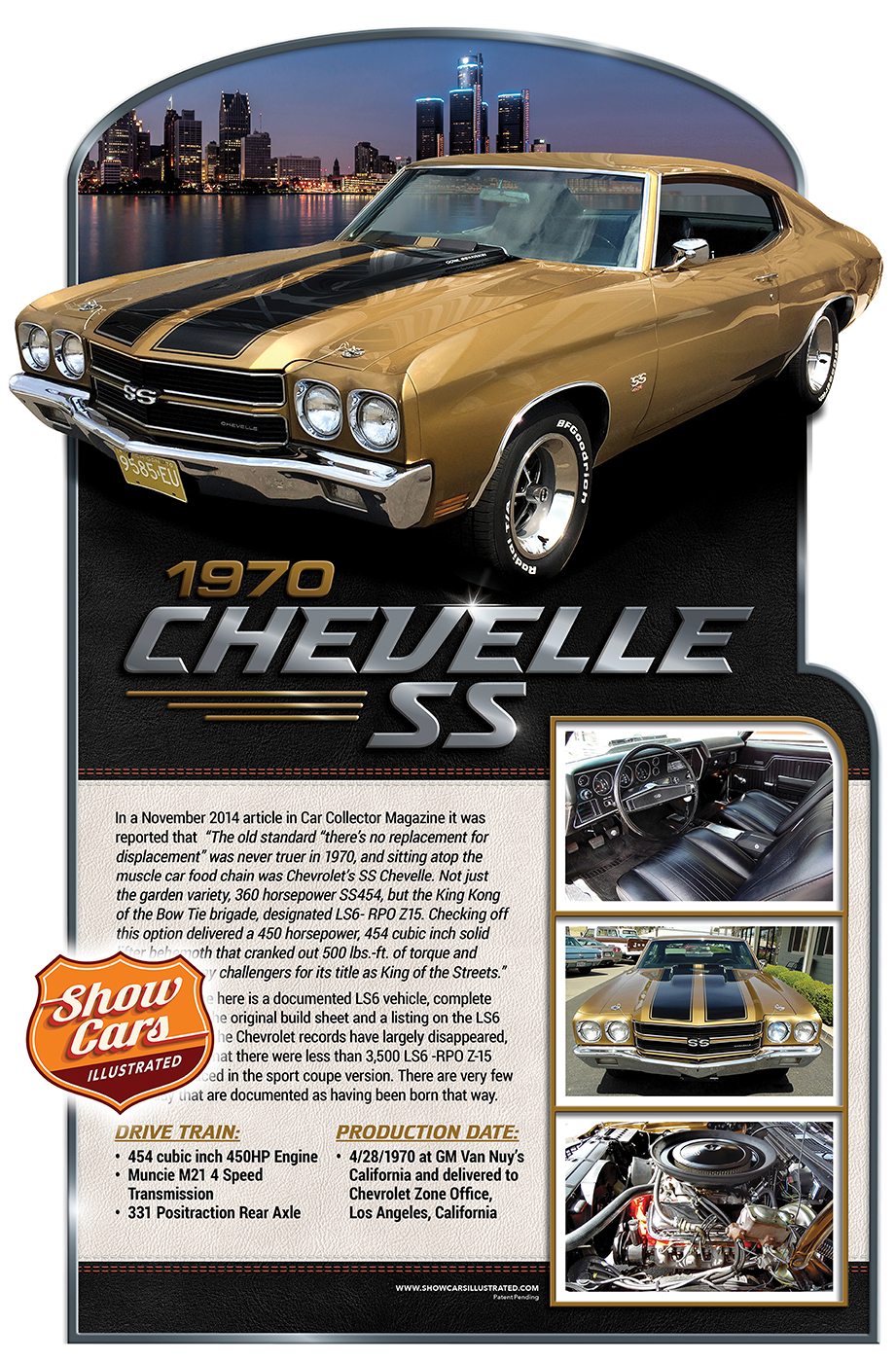
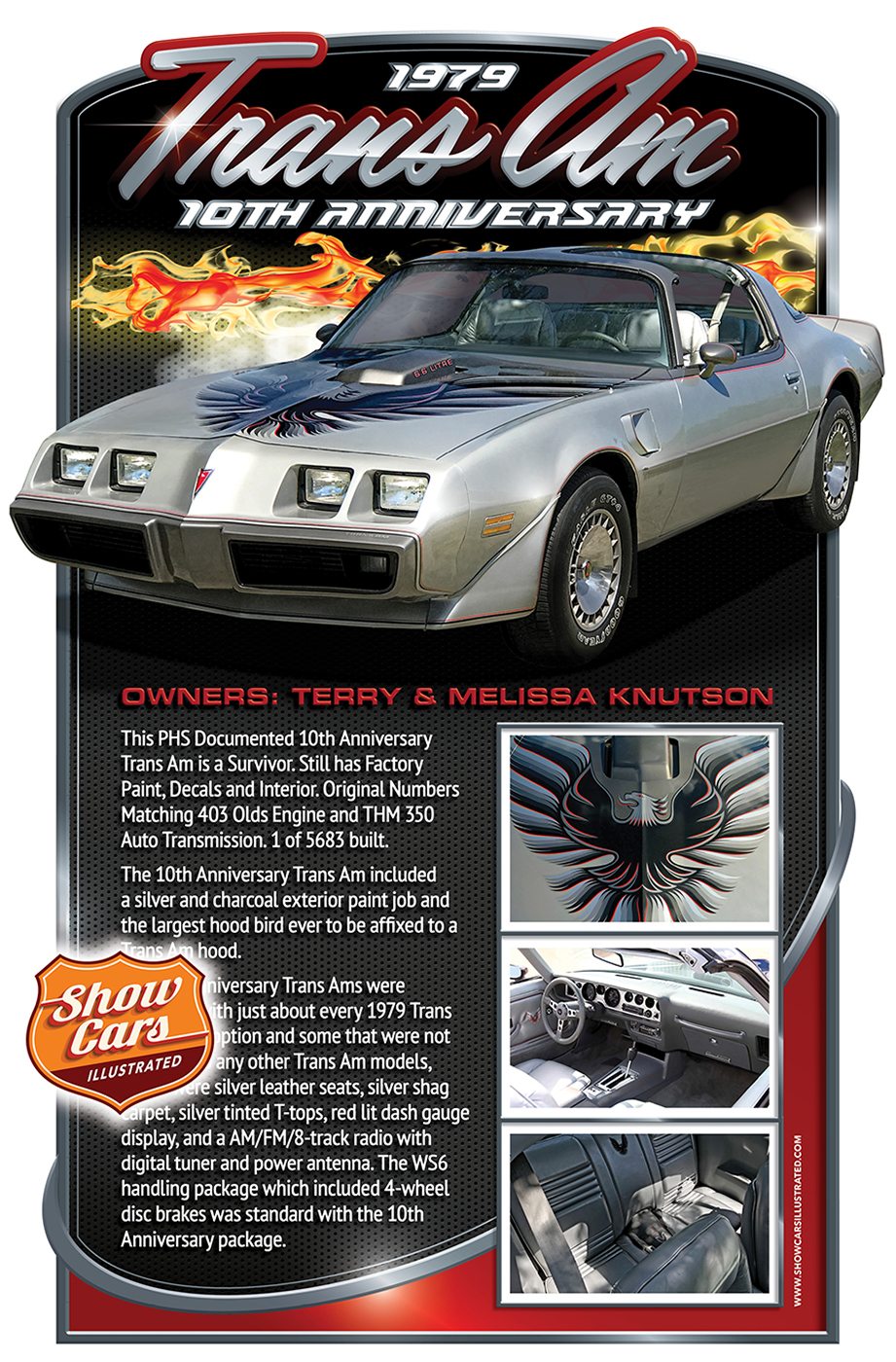
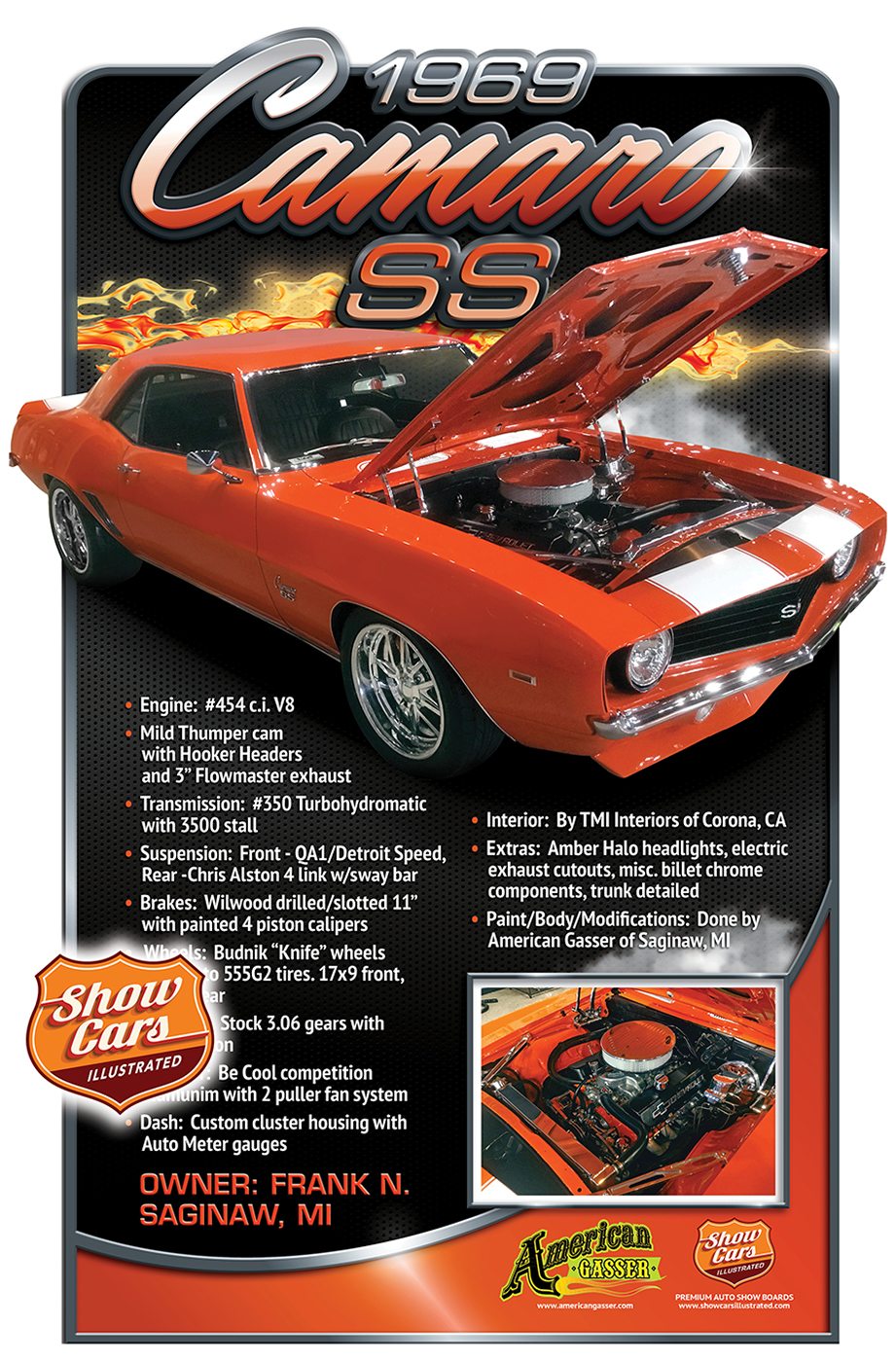
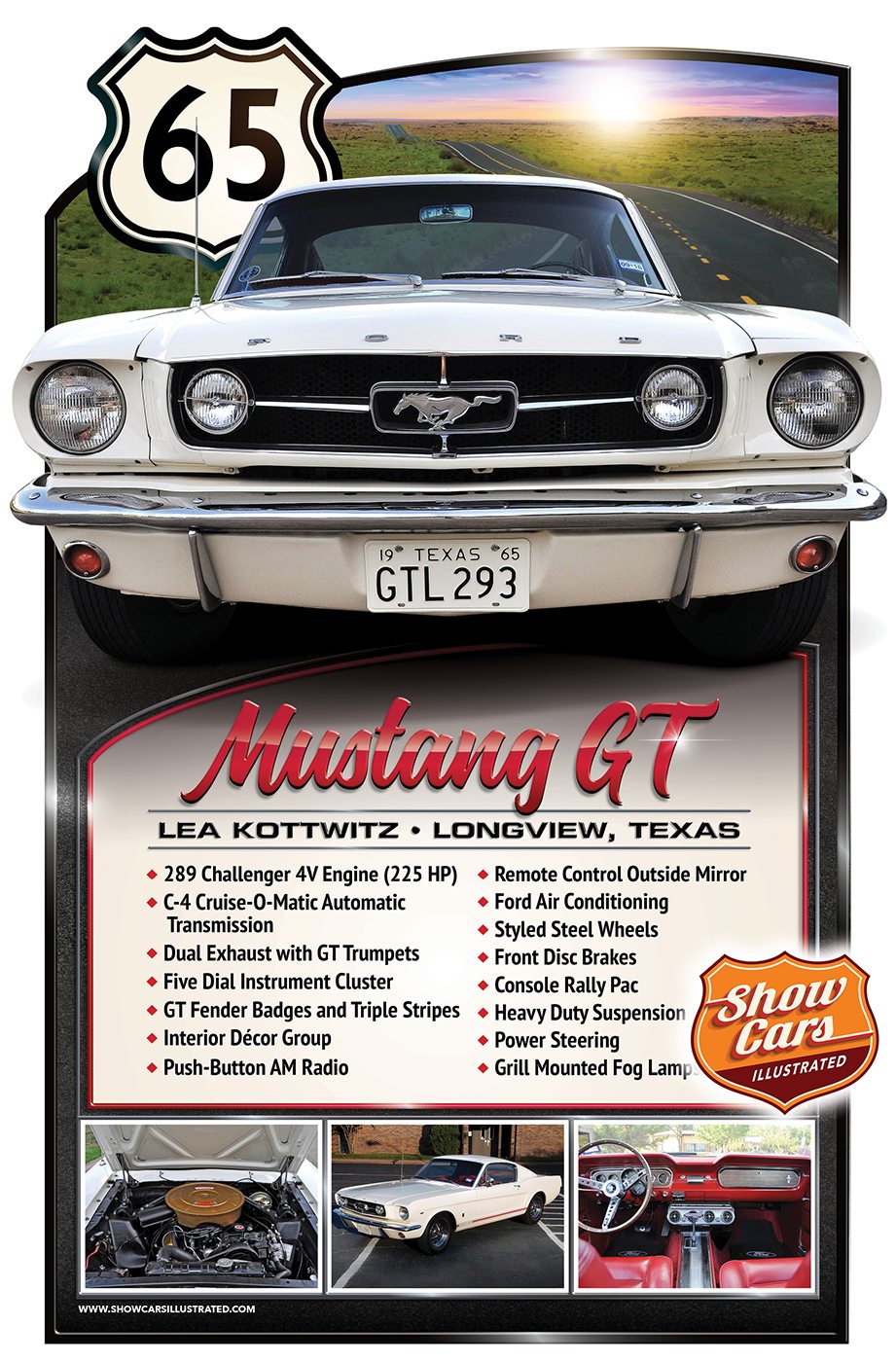
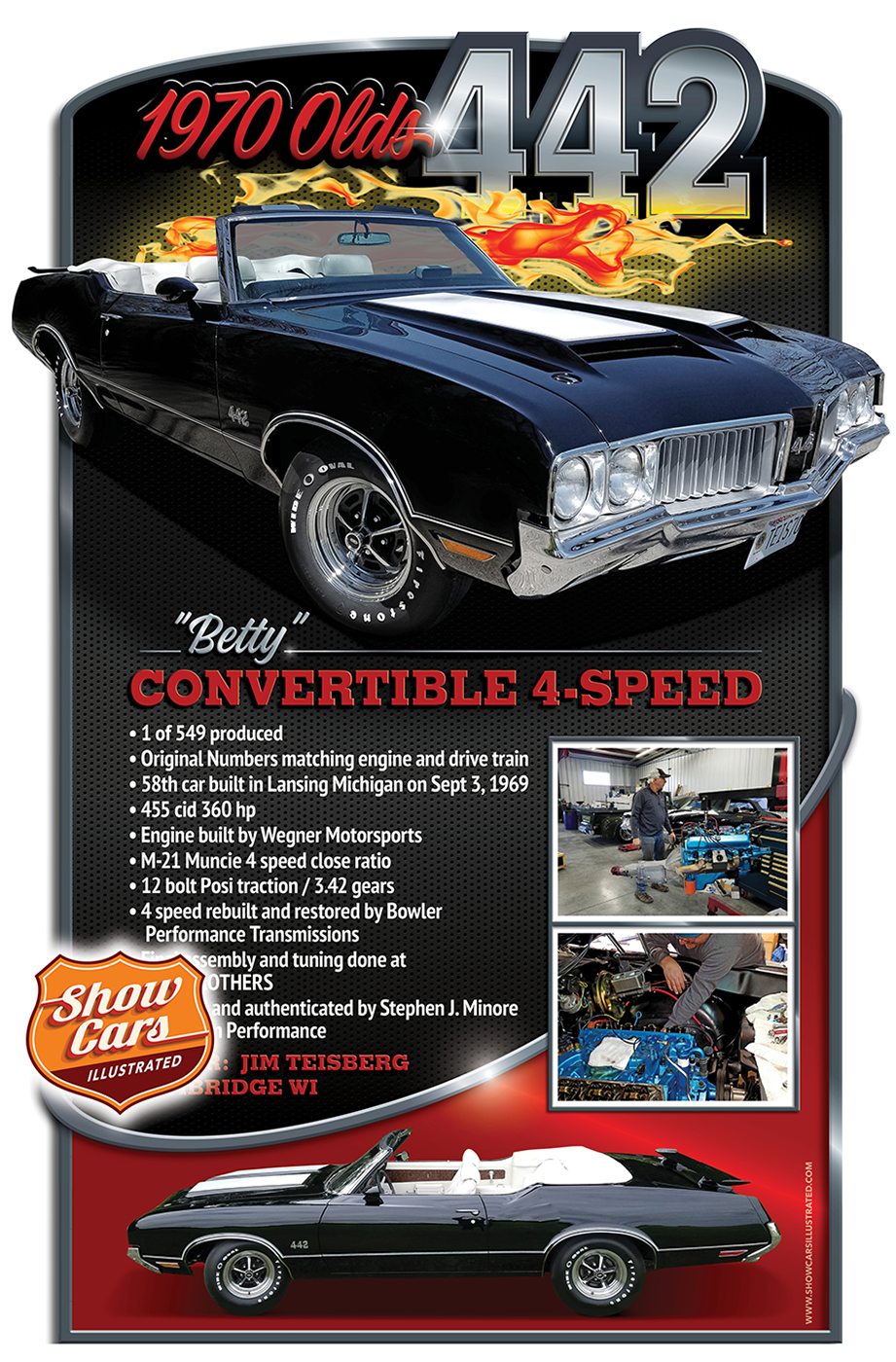
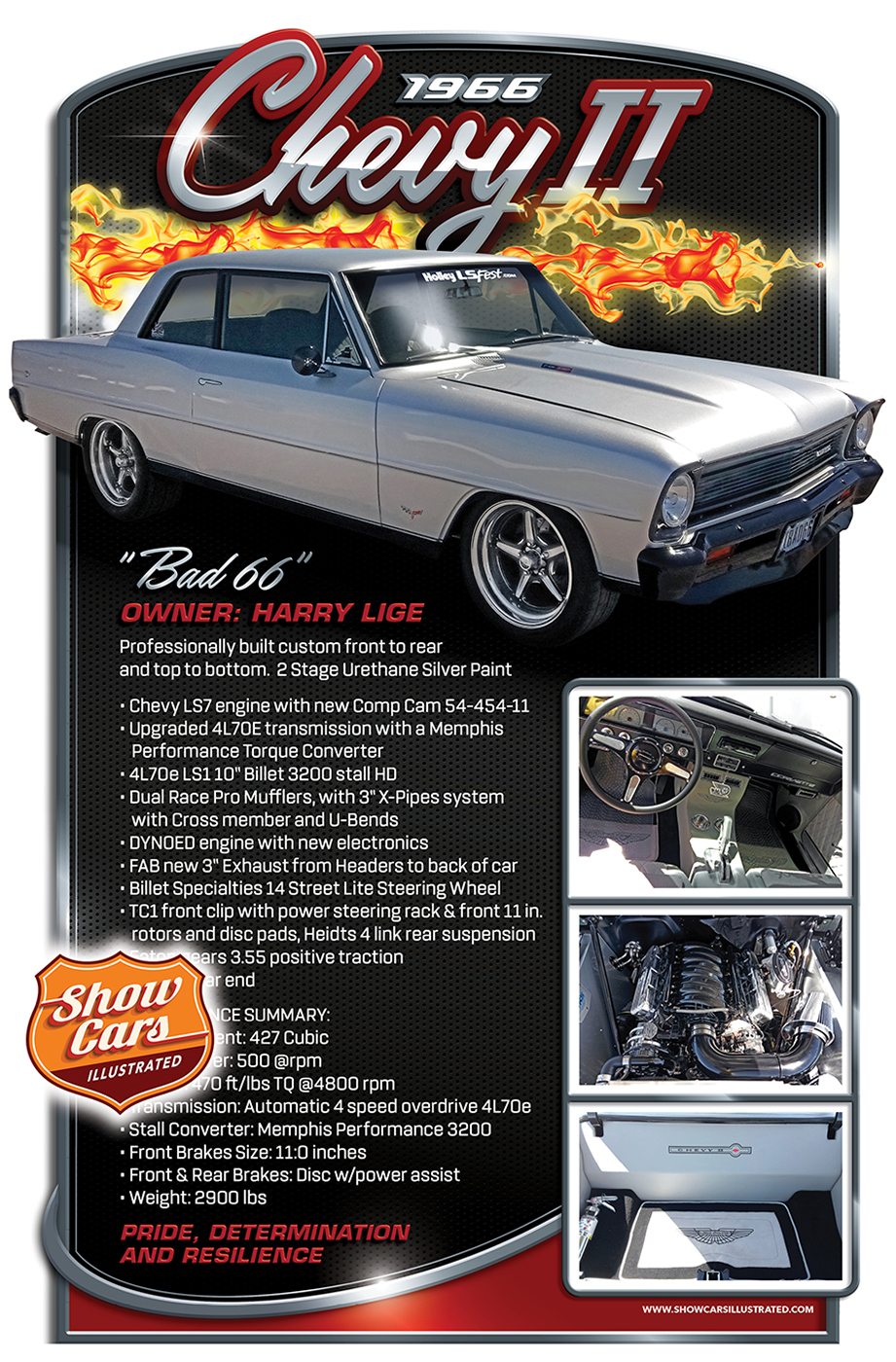
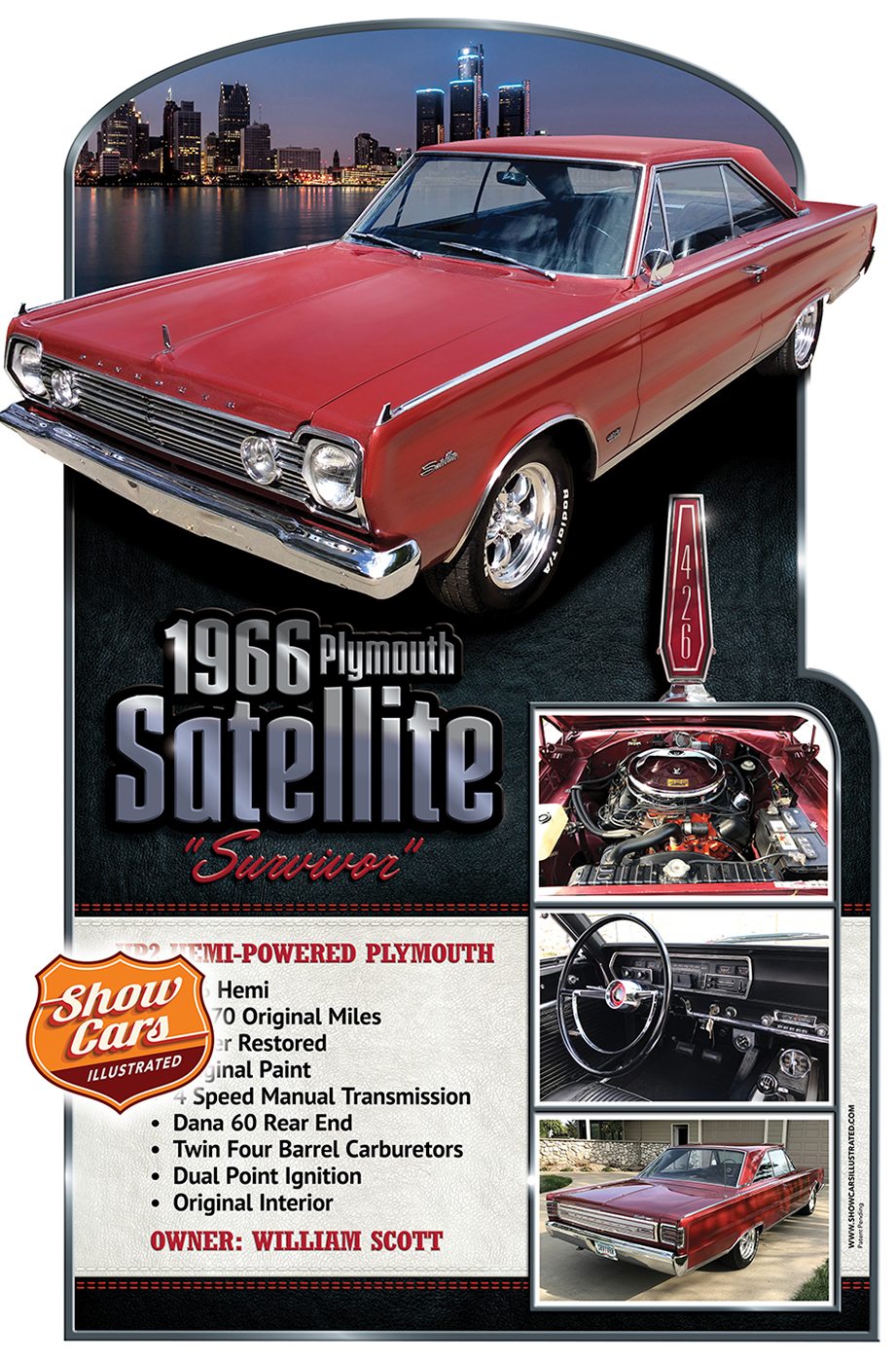
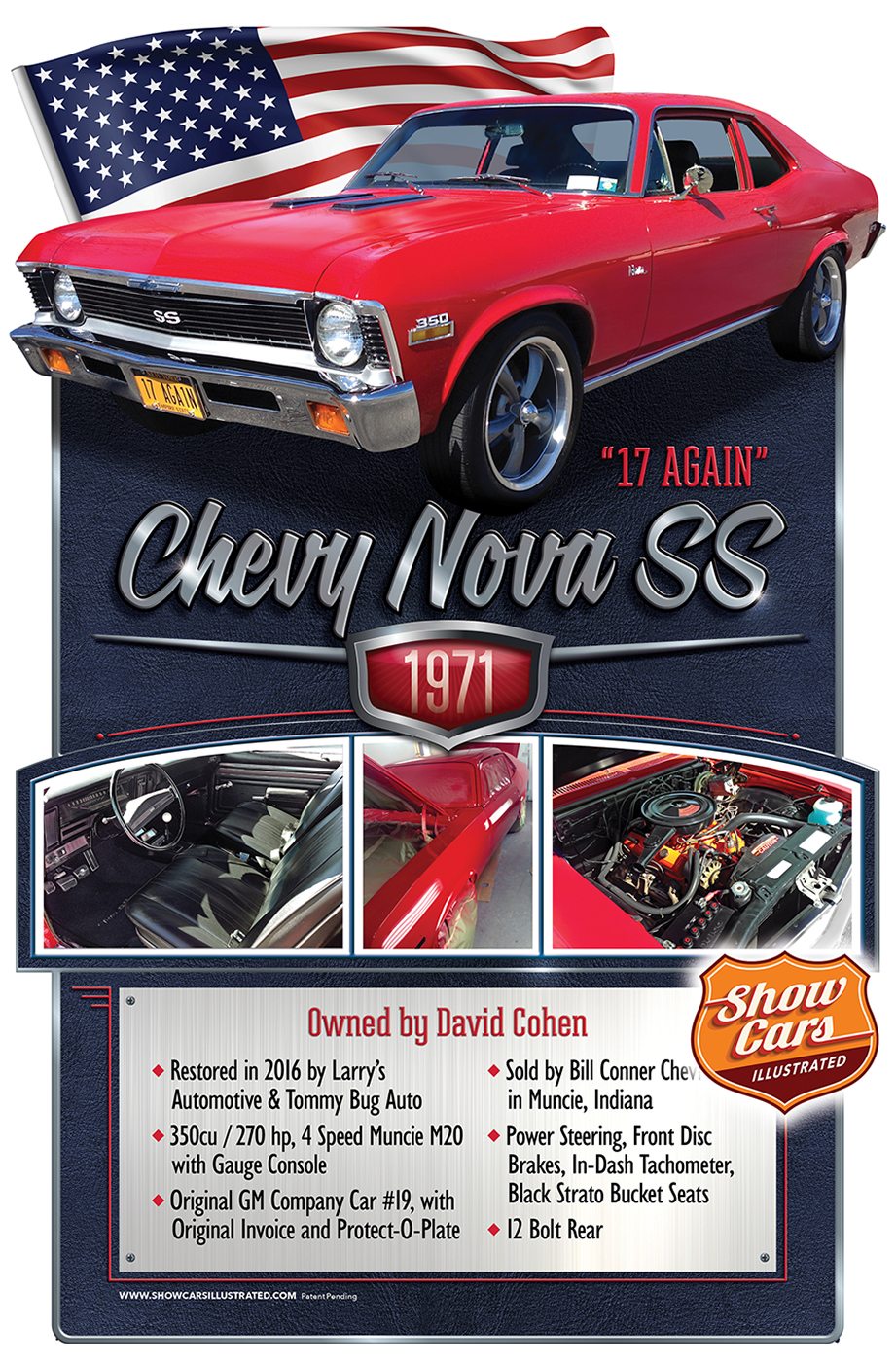

Modern Muscle
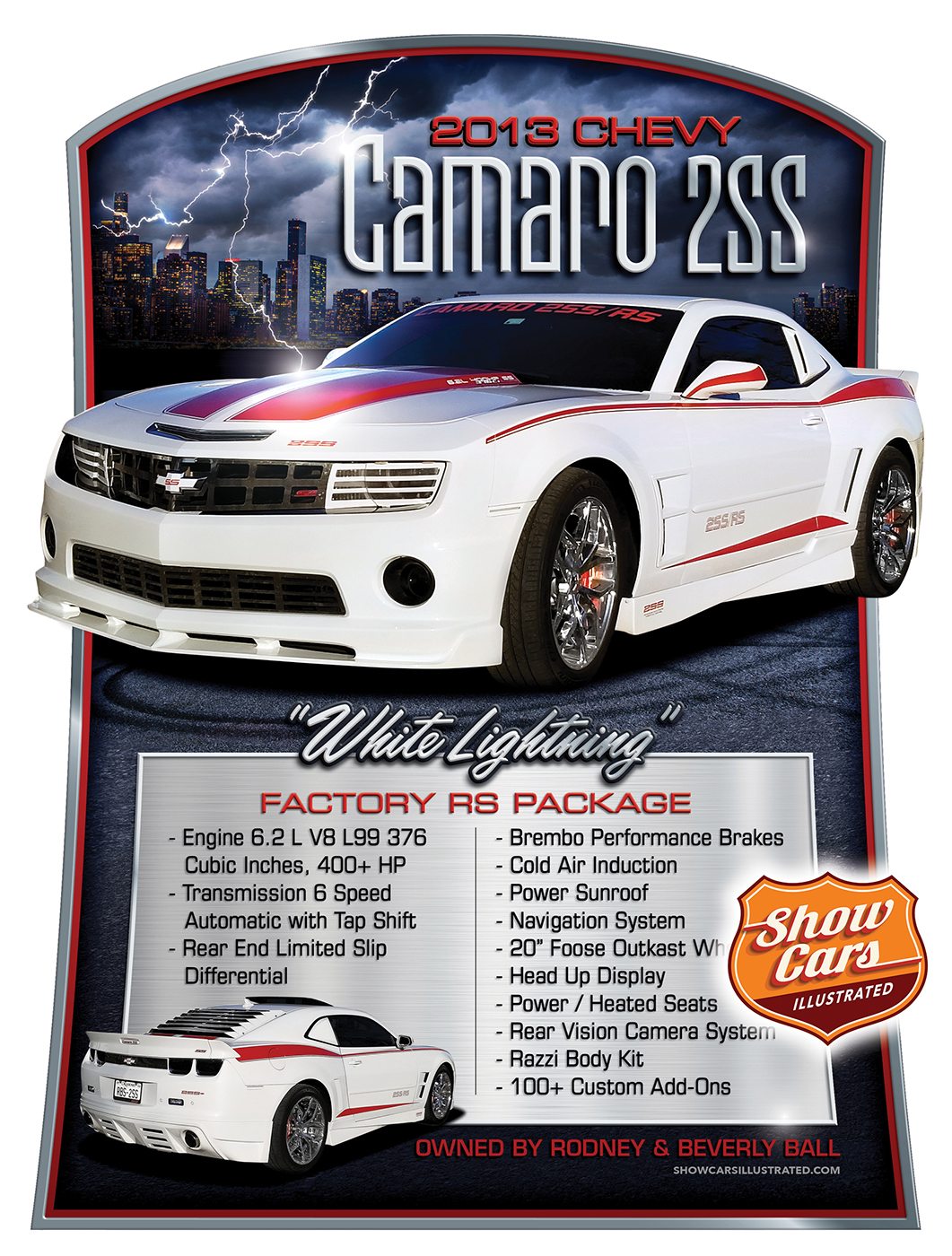
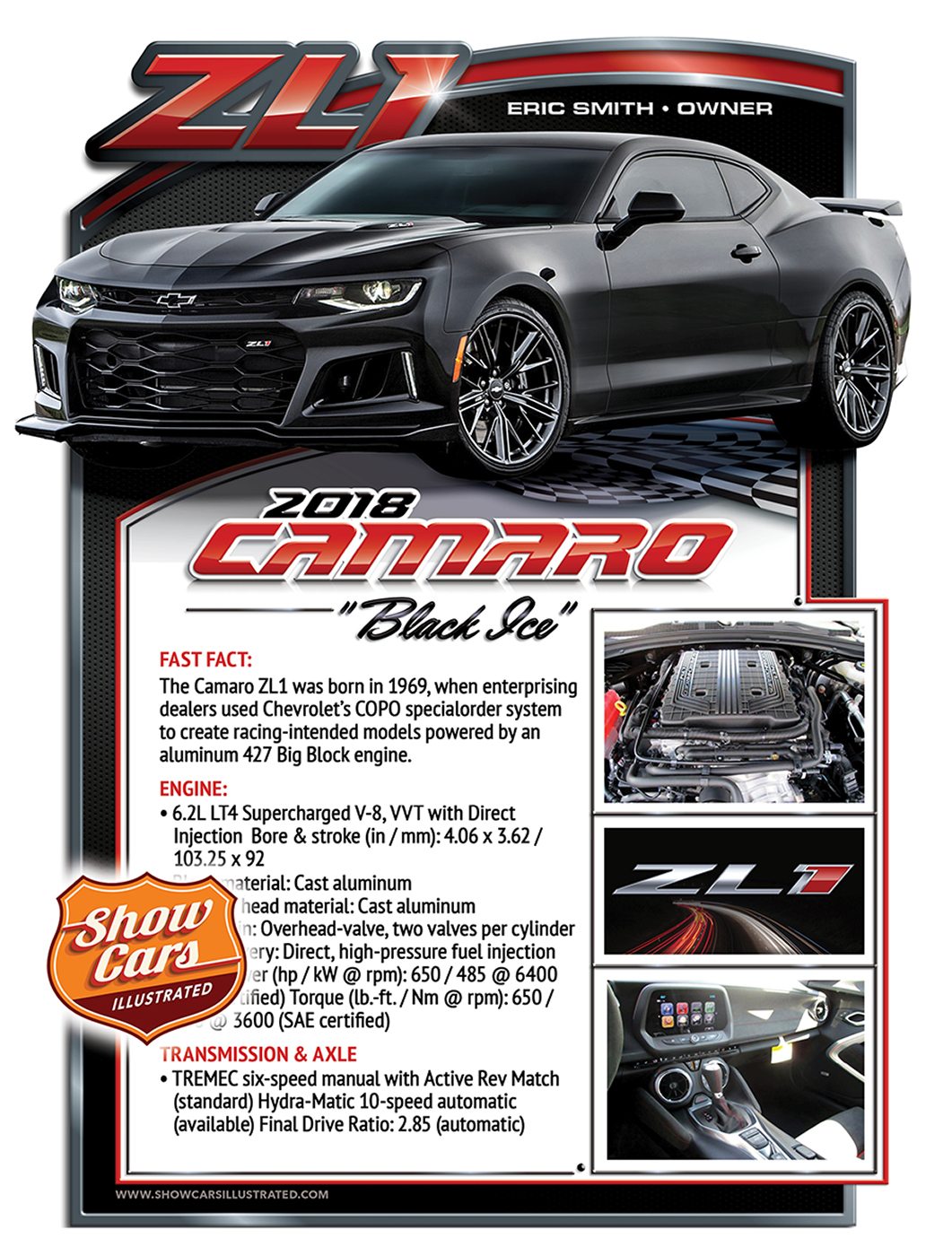
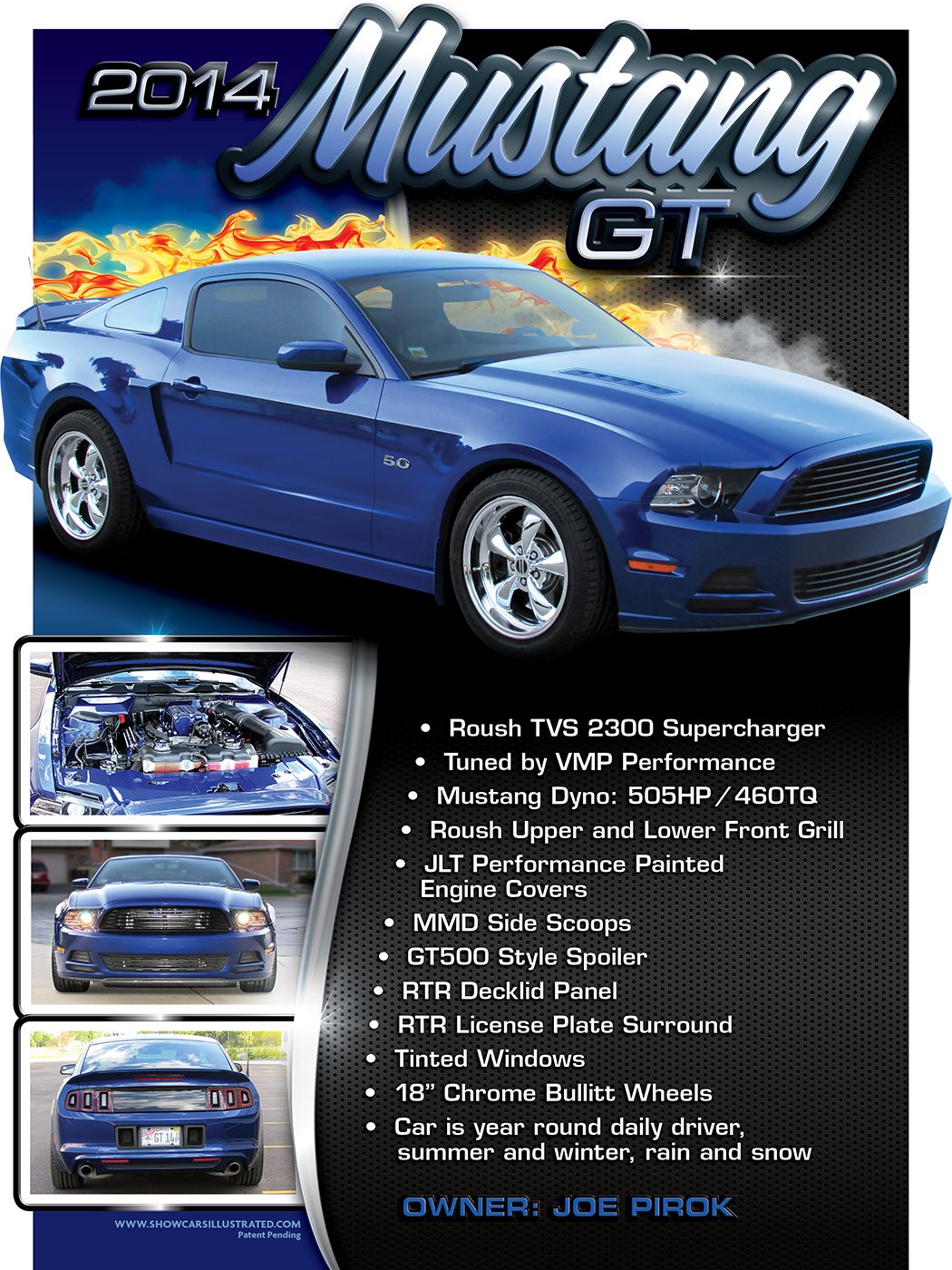
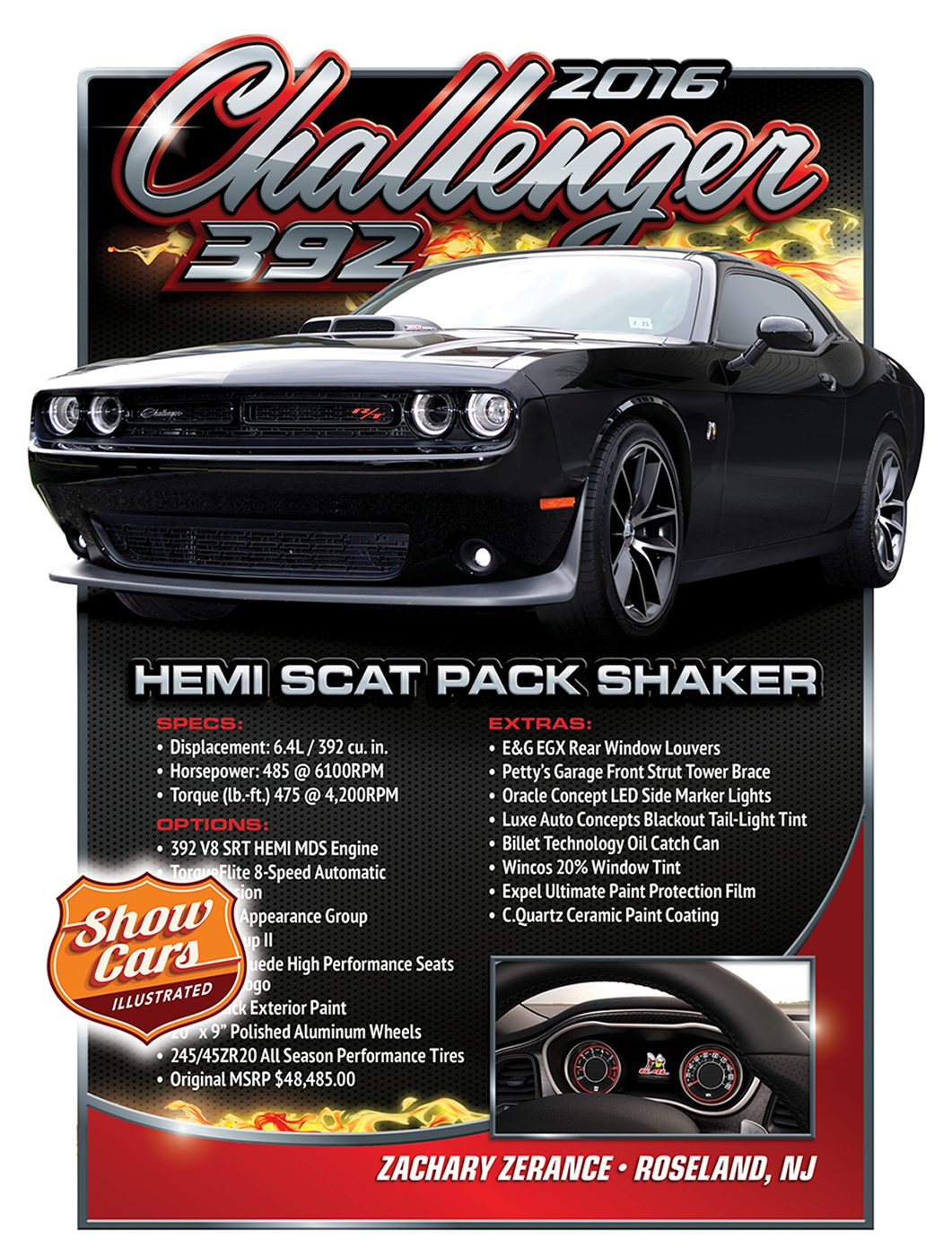
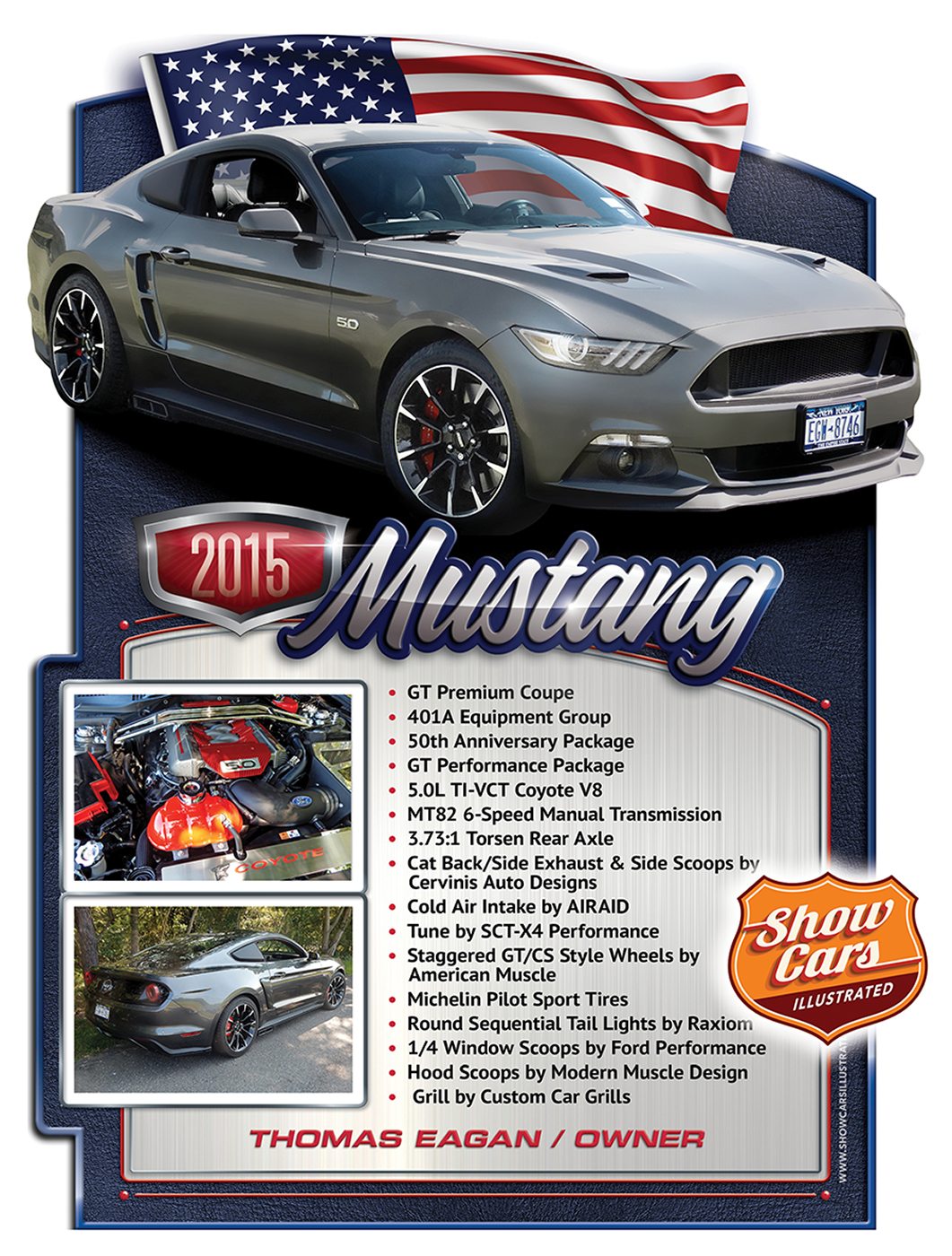
Late-model Camaros, Mustangs and Challengers. All American is the most common choice in this group, because contemporary paint and factory graphics are usually strong enough that the board should stay out of the way. Raceway suits track-focused builds and Stormer aggressive modern styling.

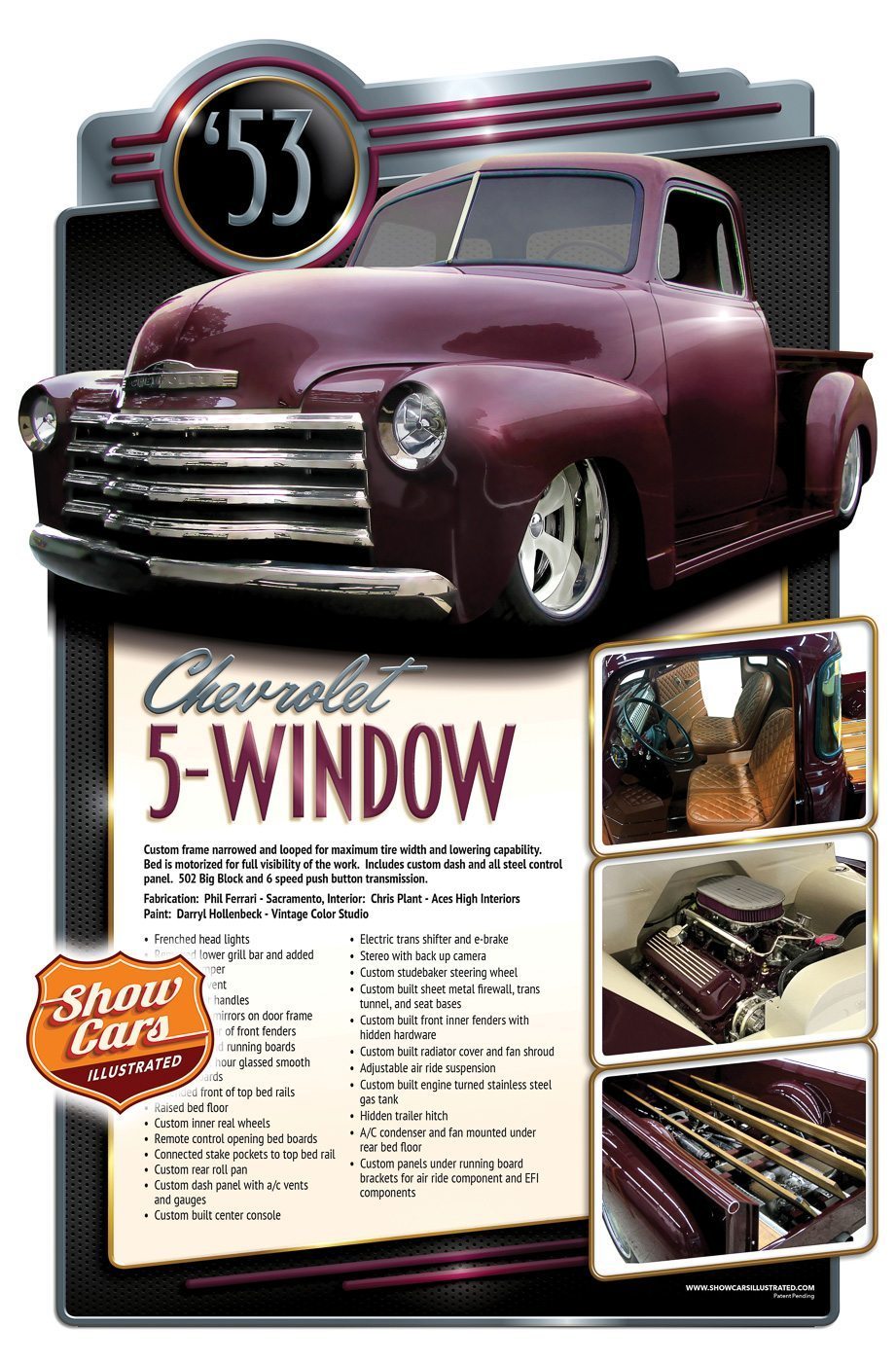
Trucks & Haulers
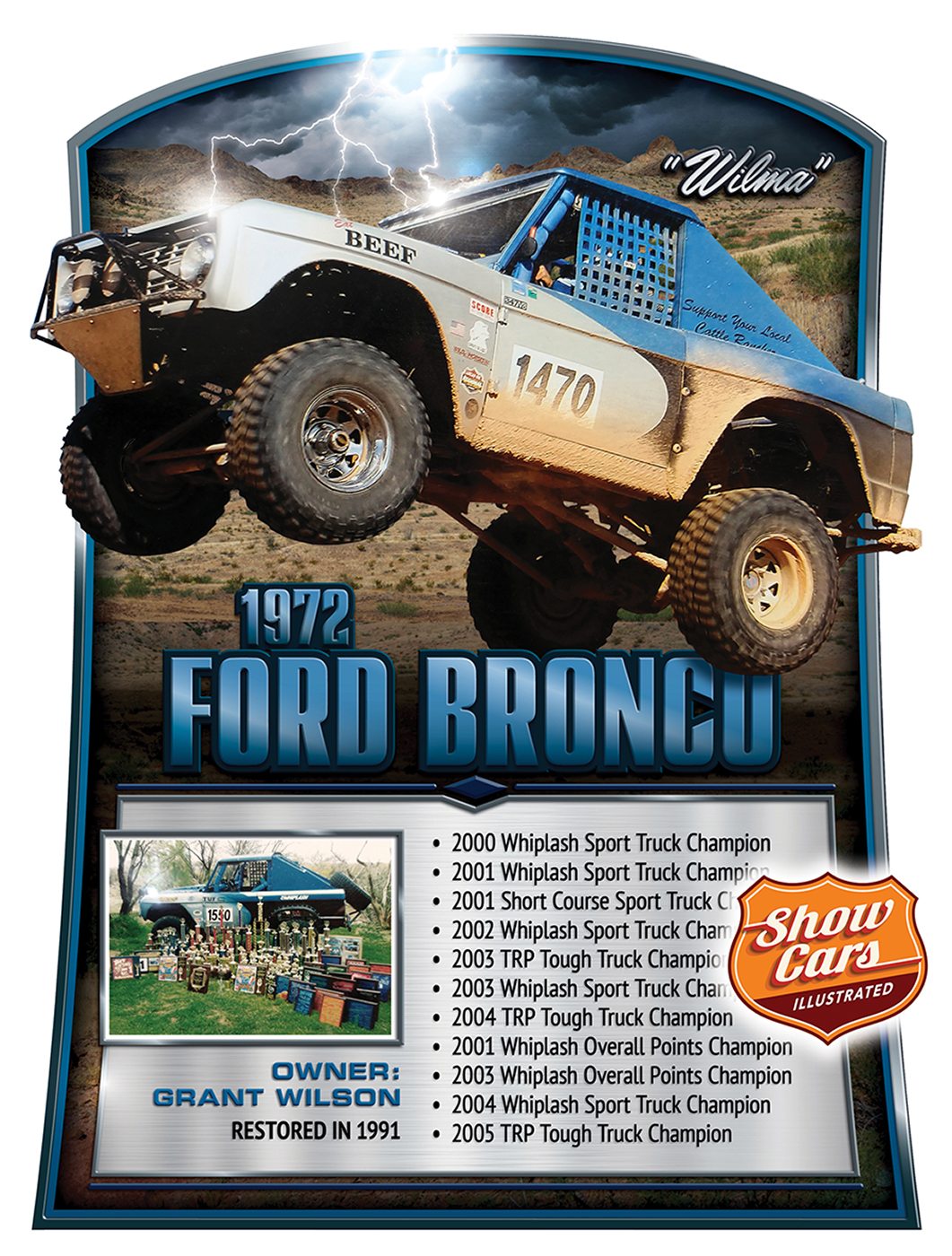
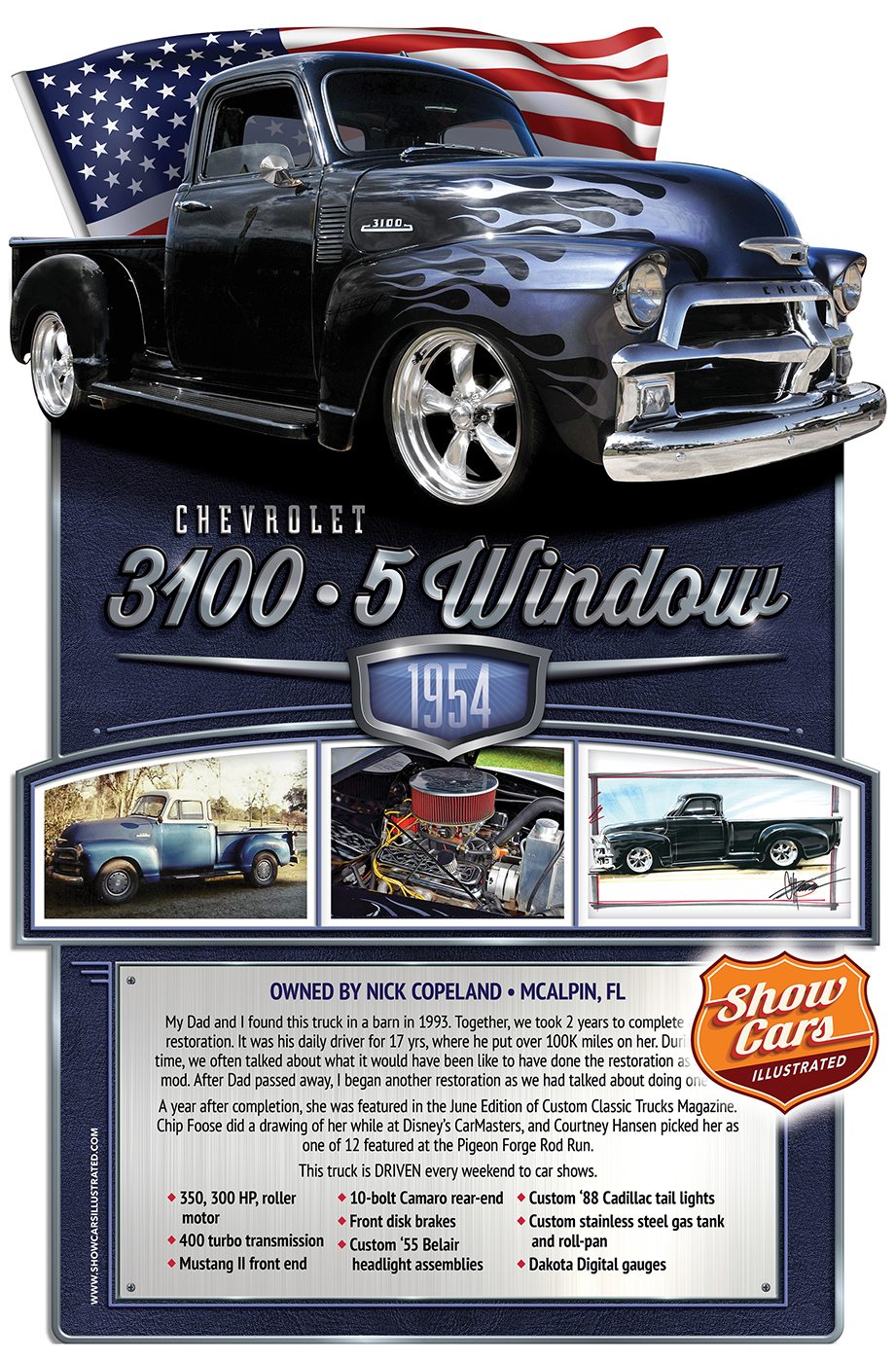
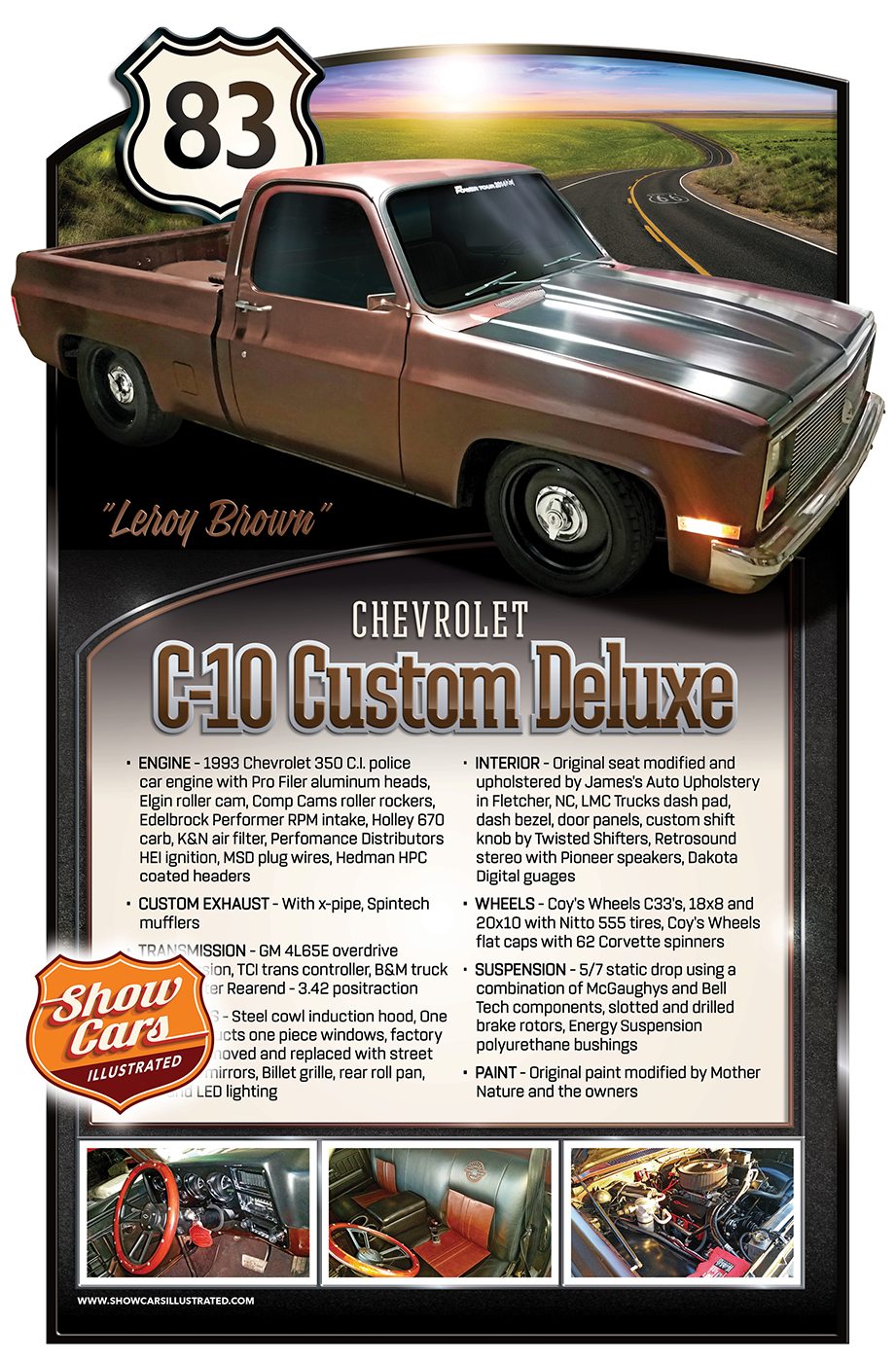
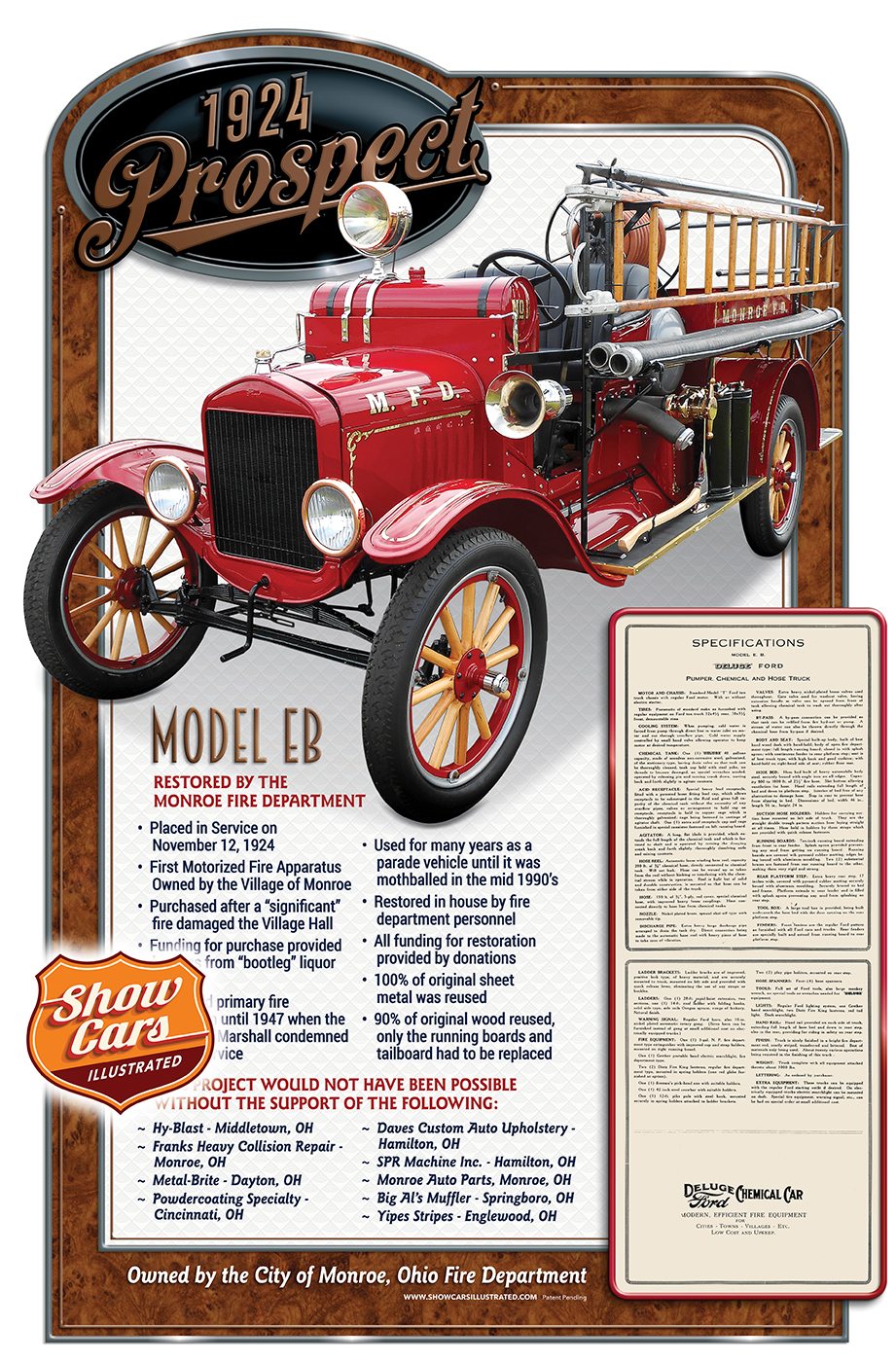
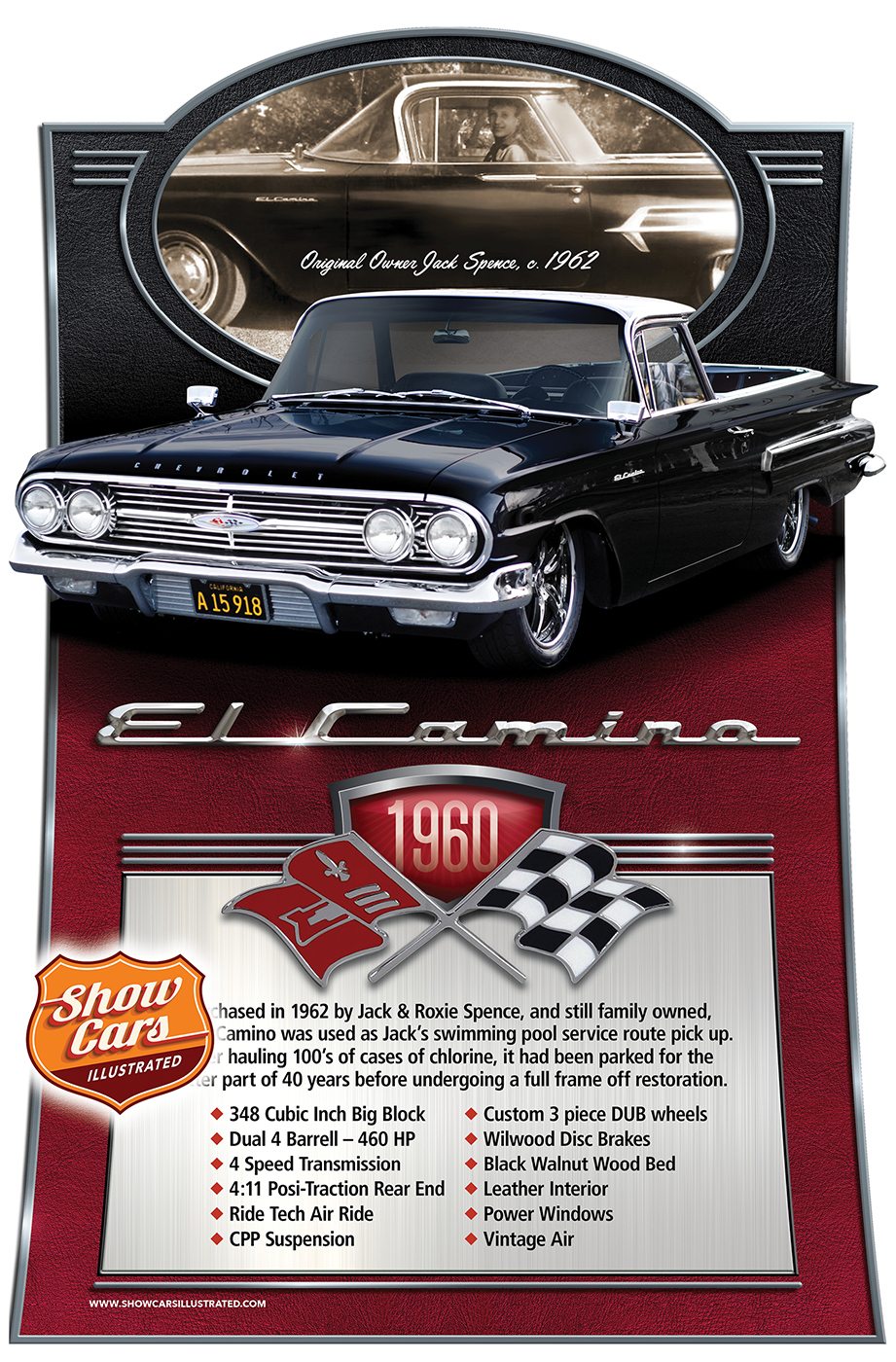
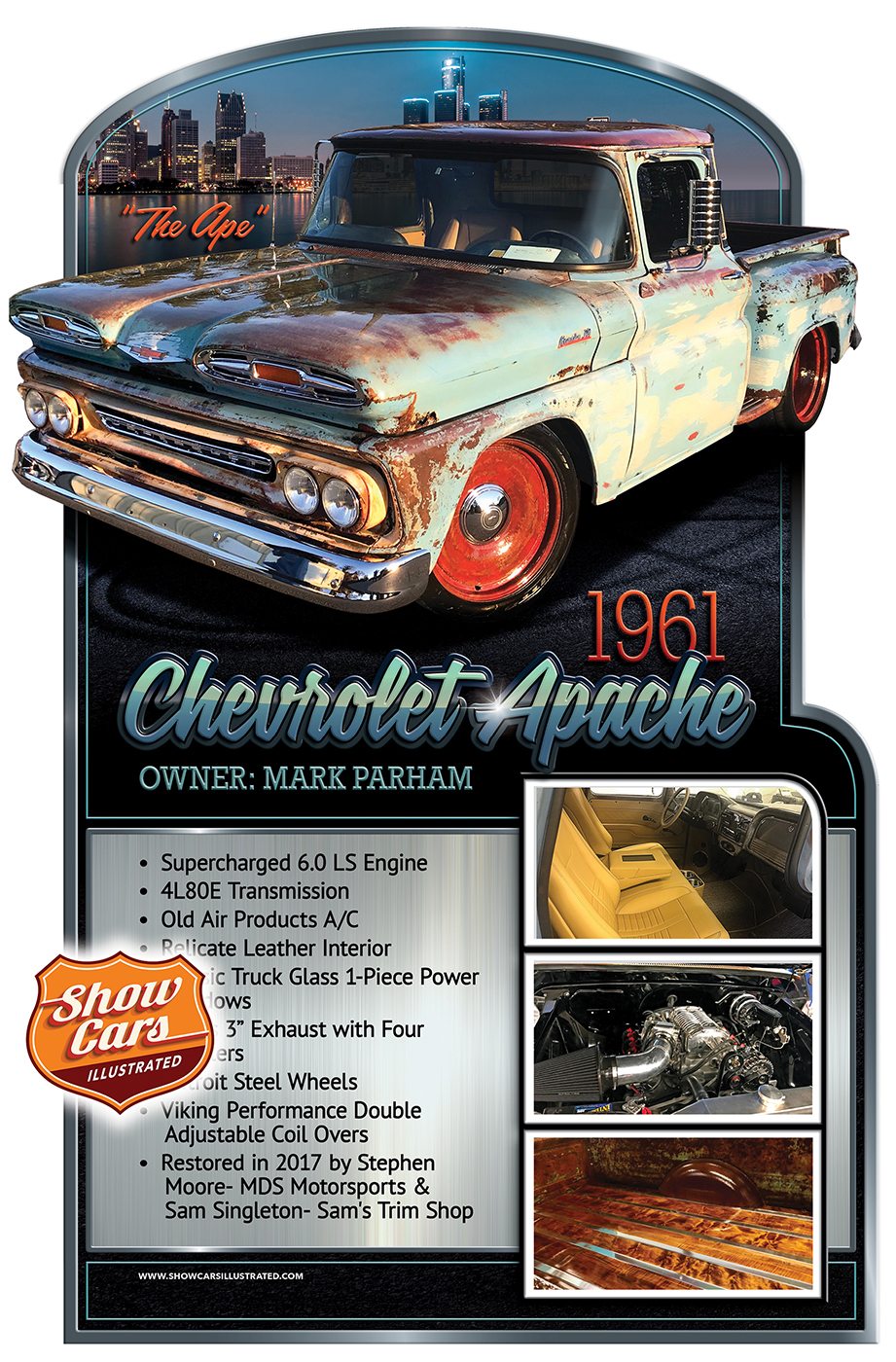
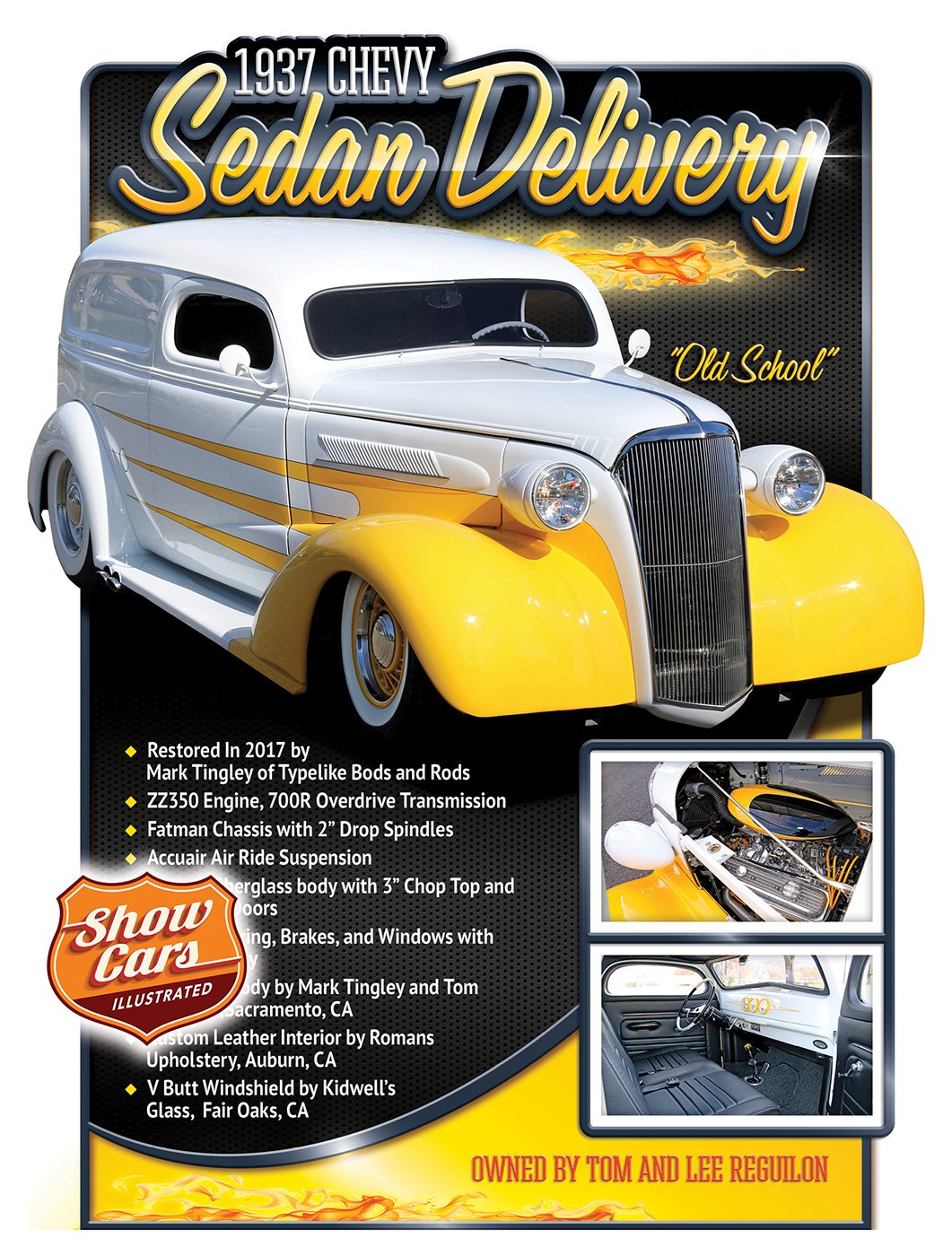
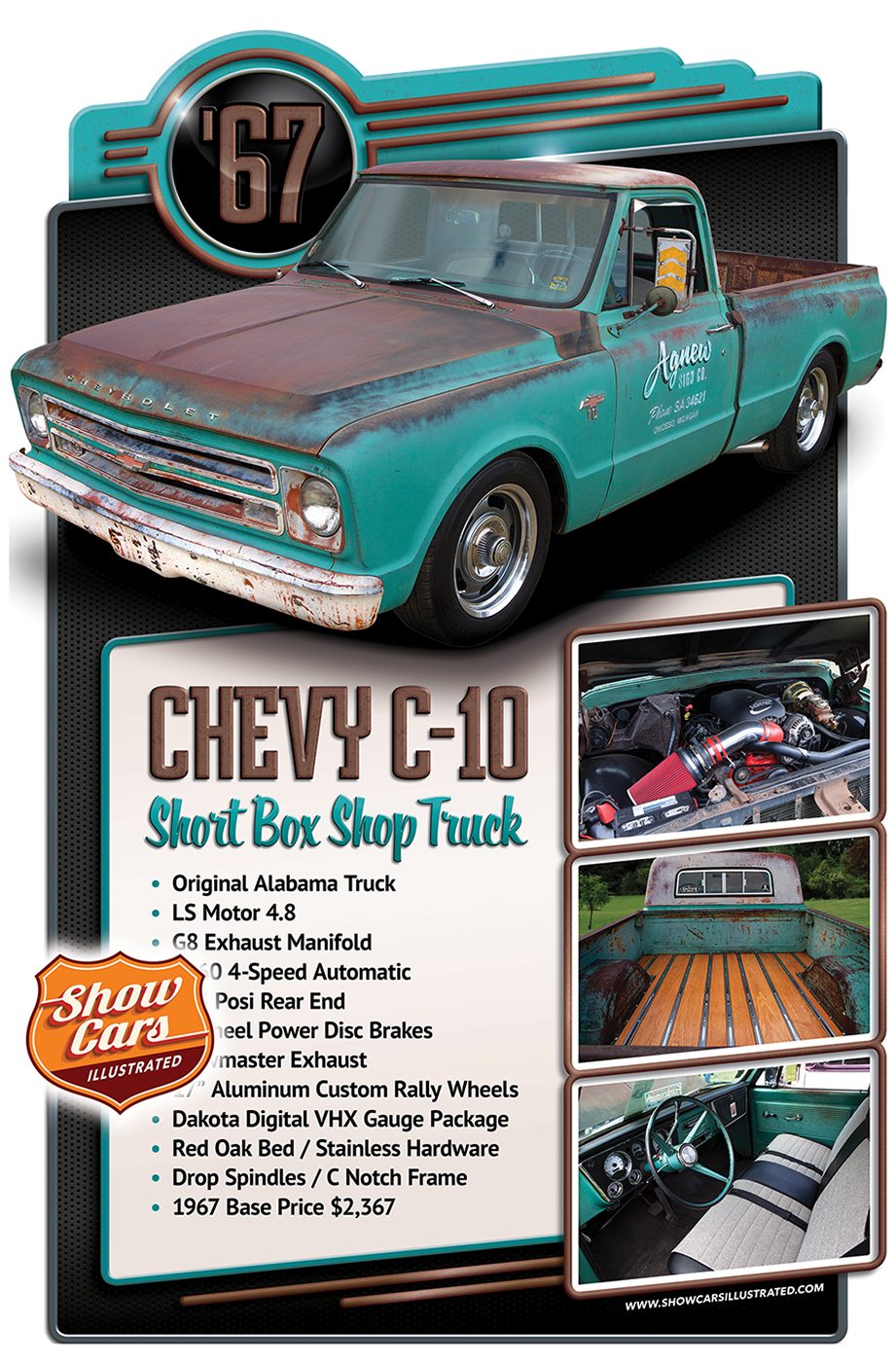
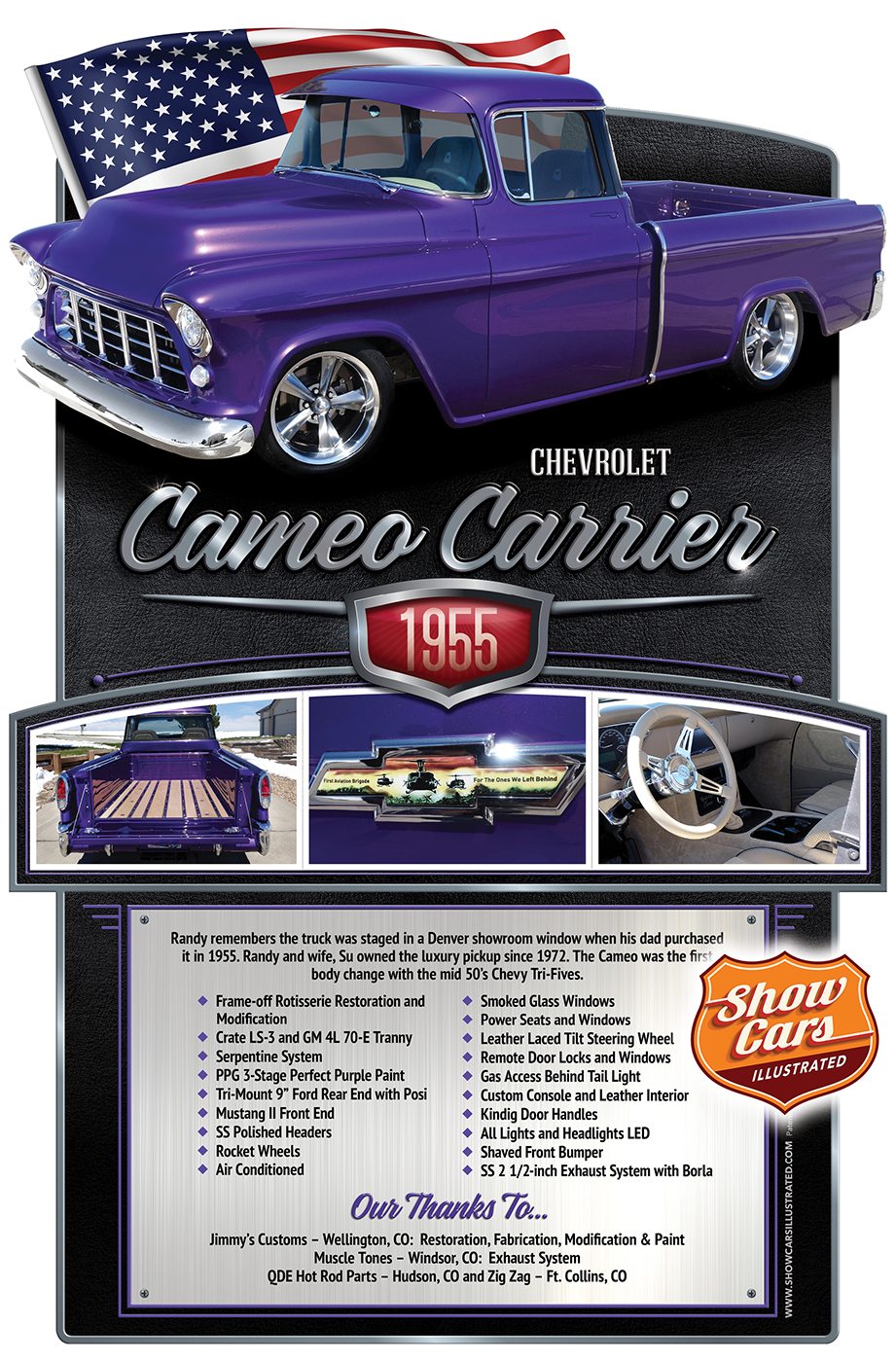
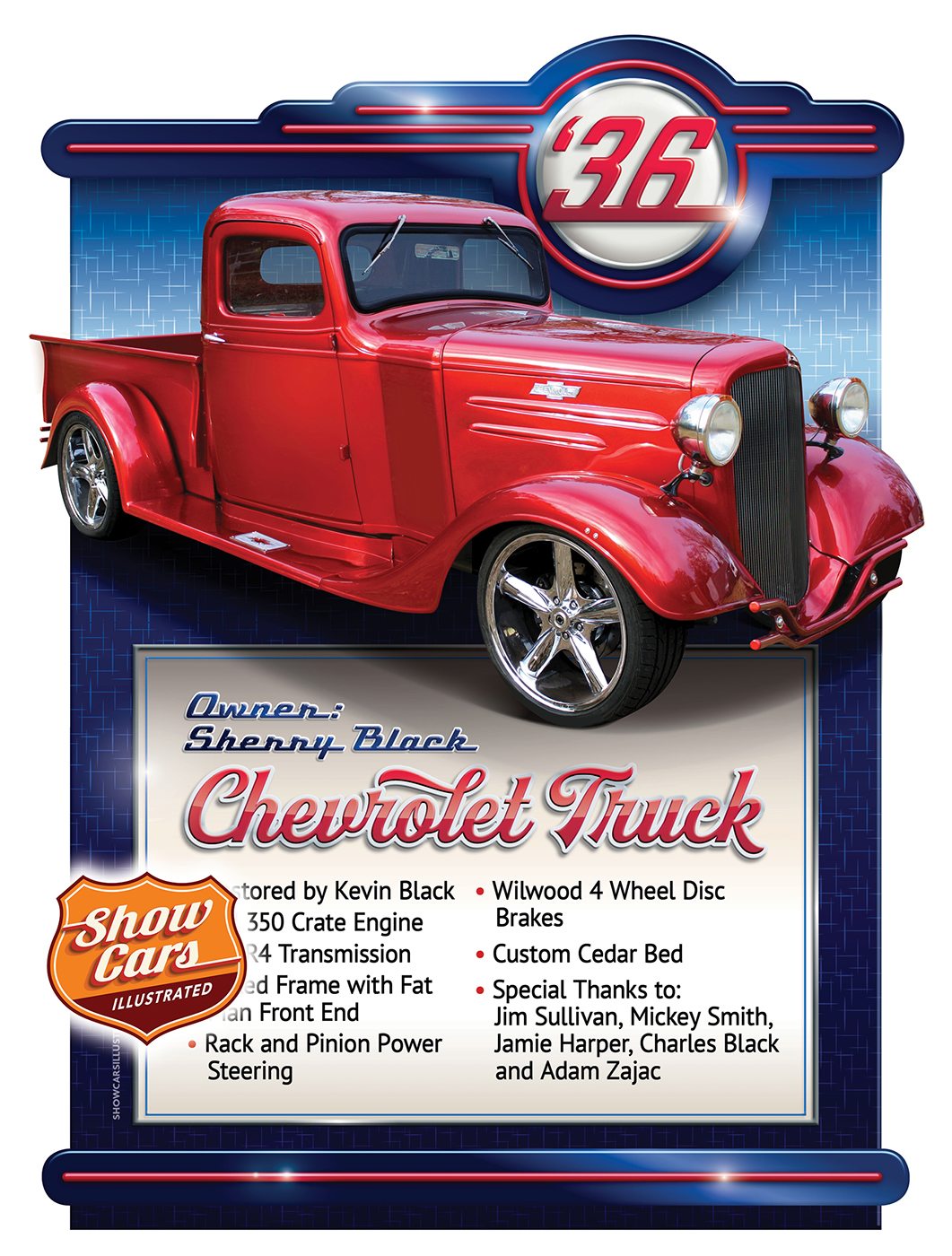
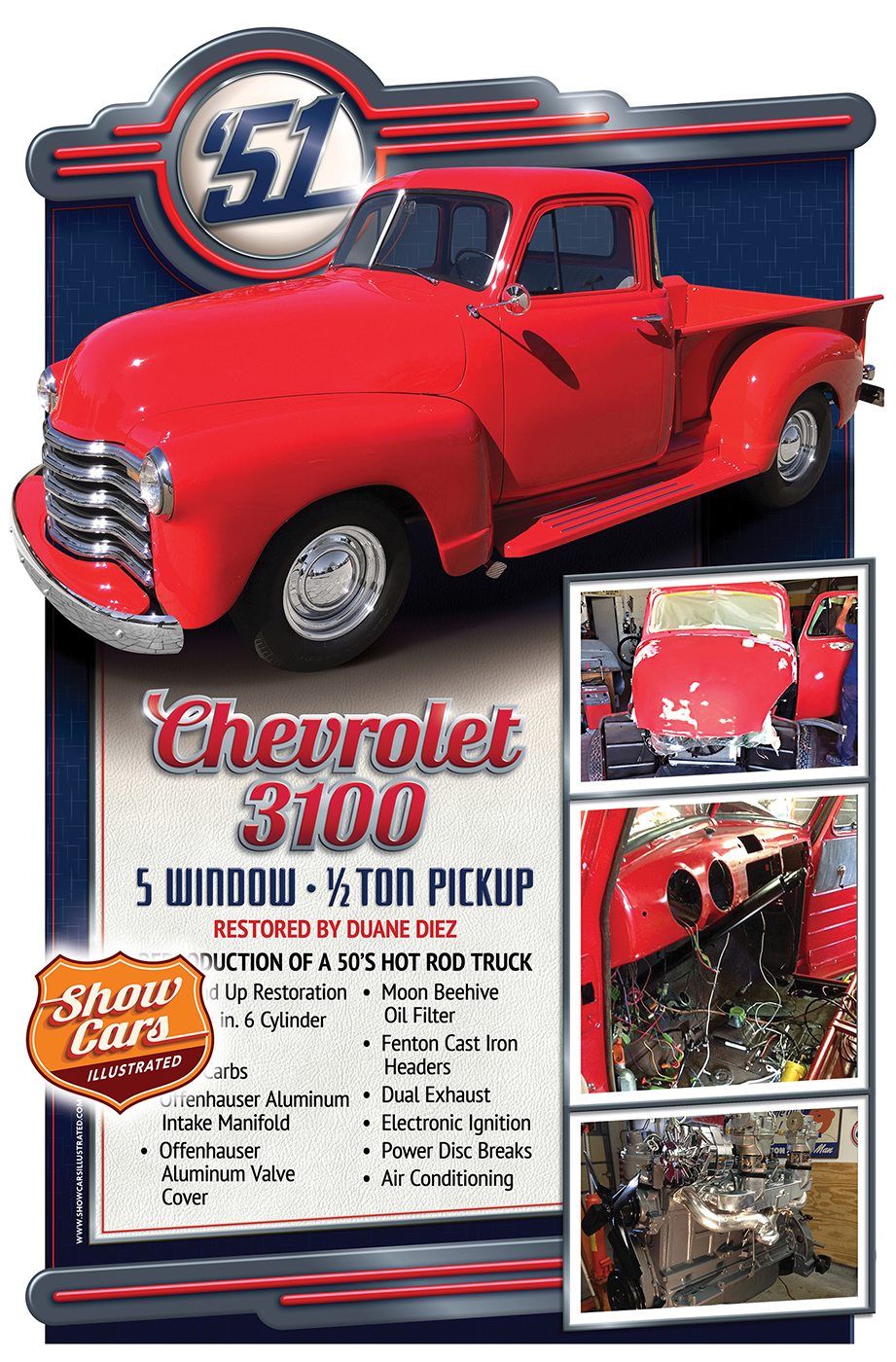
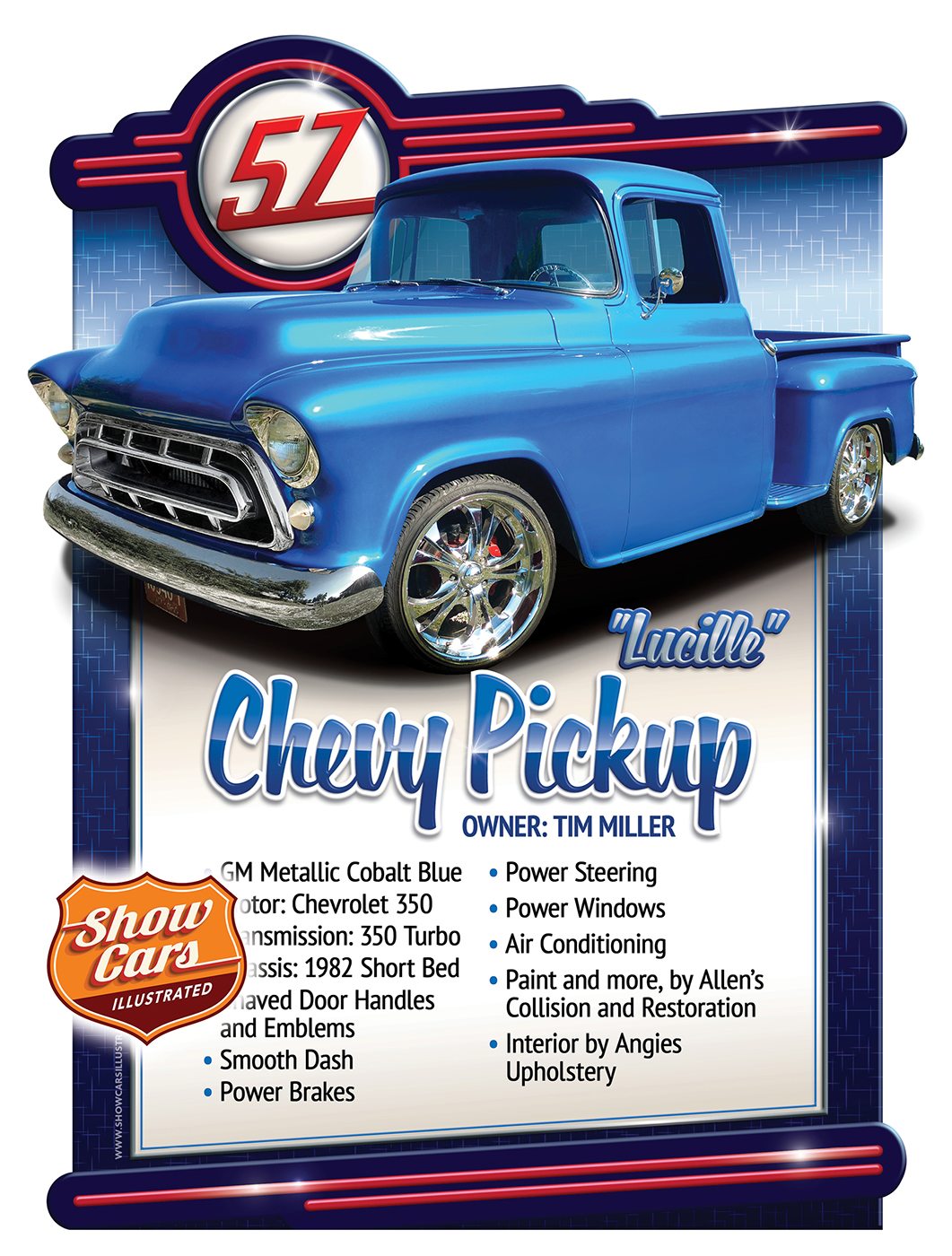
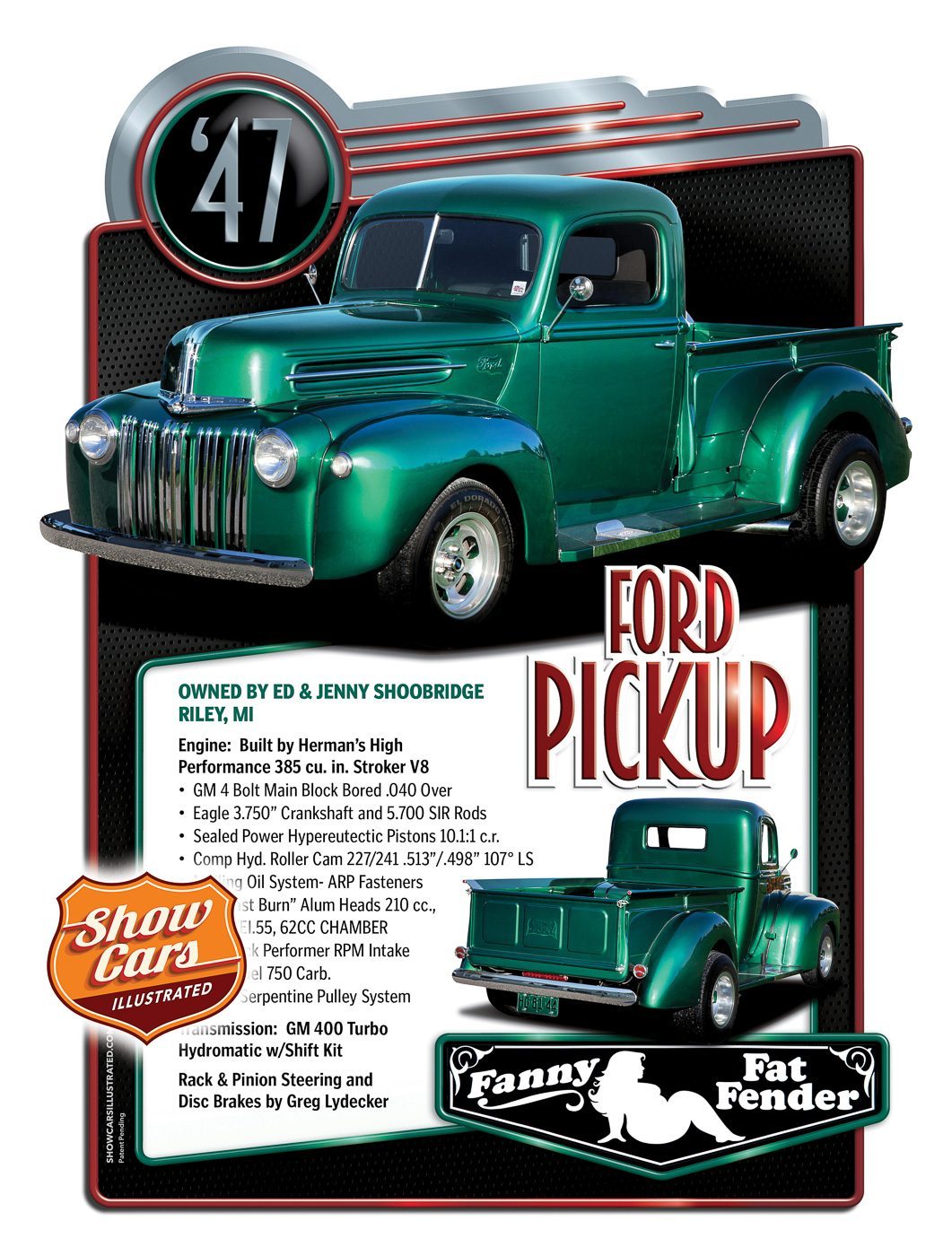
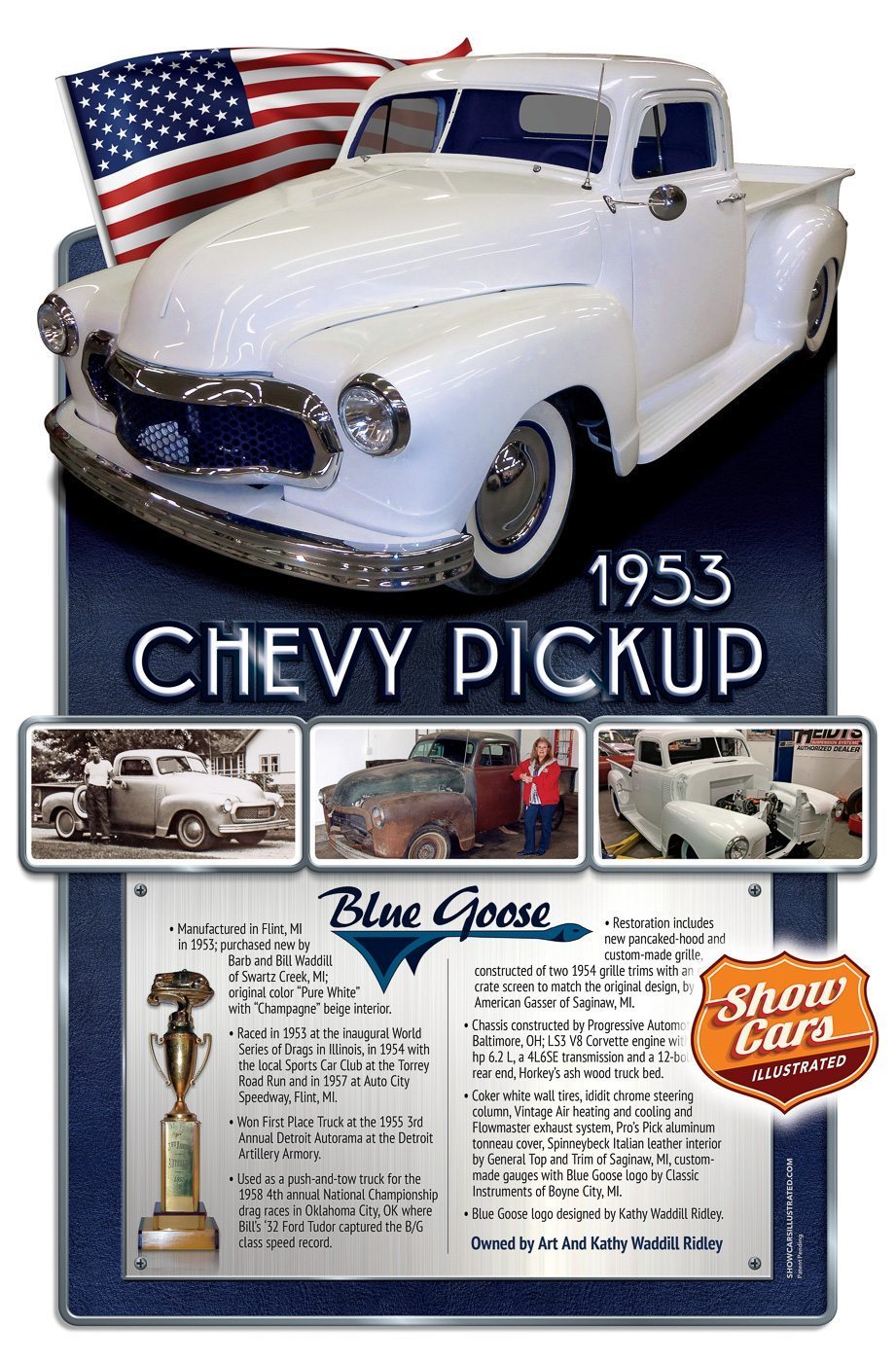
Pickups, panel trucks, an El Camino and a 1924 fire truck. A truck gives the layout a taller shape and generous room underneath for drivetrain and build specifications. Drive-In and All American are the most common choices here, with Route 66 for working and road-trip trucks.
Sports Cars & Imports
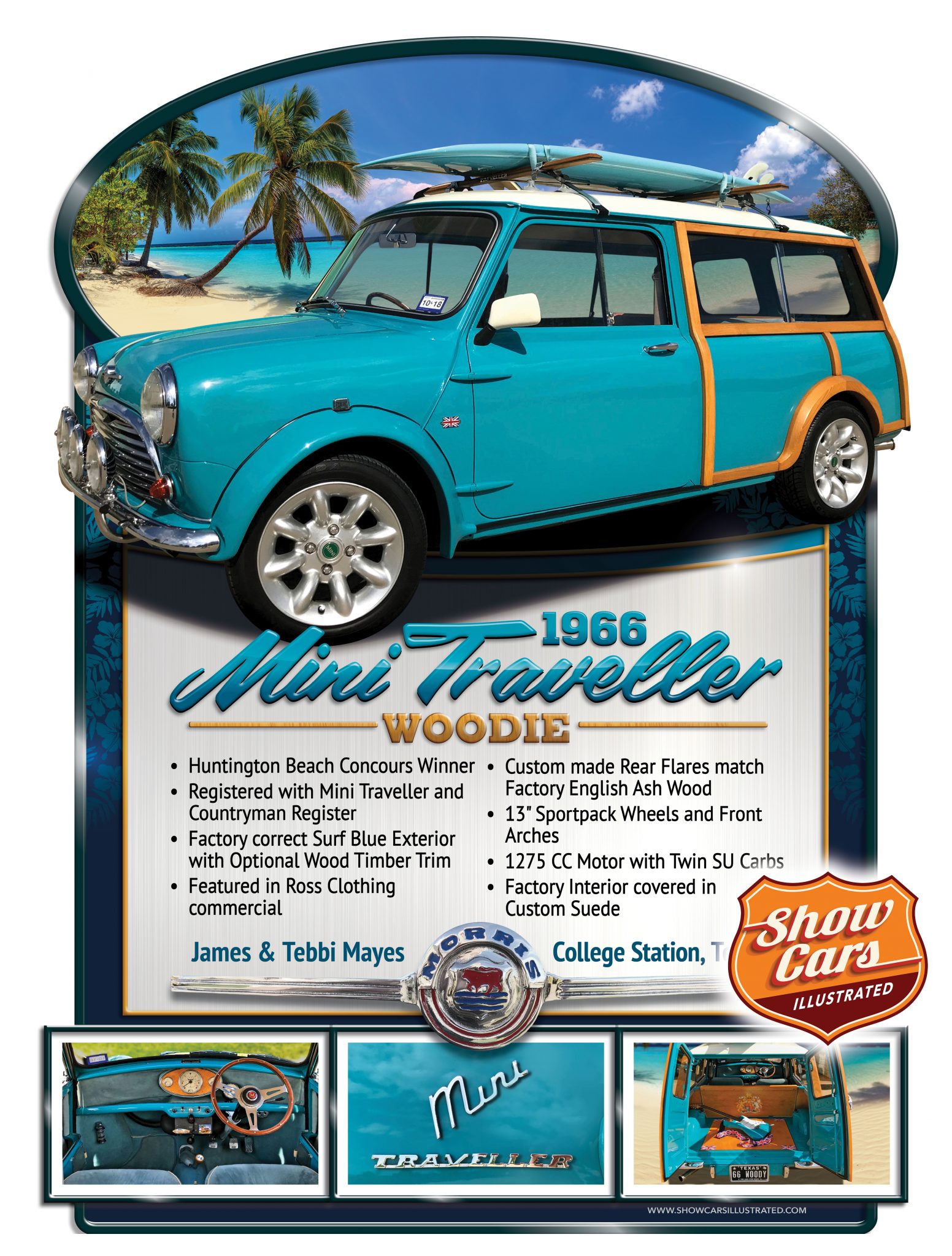
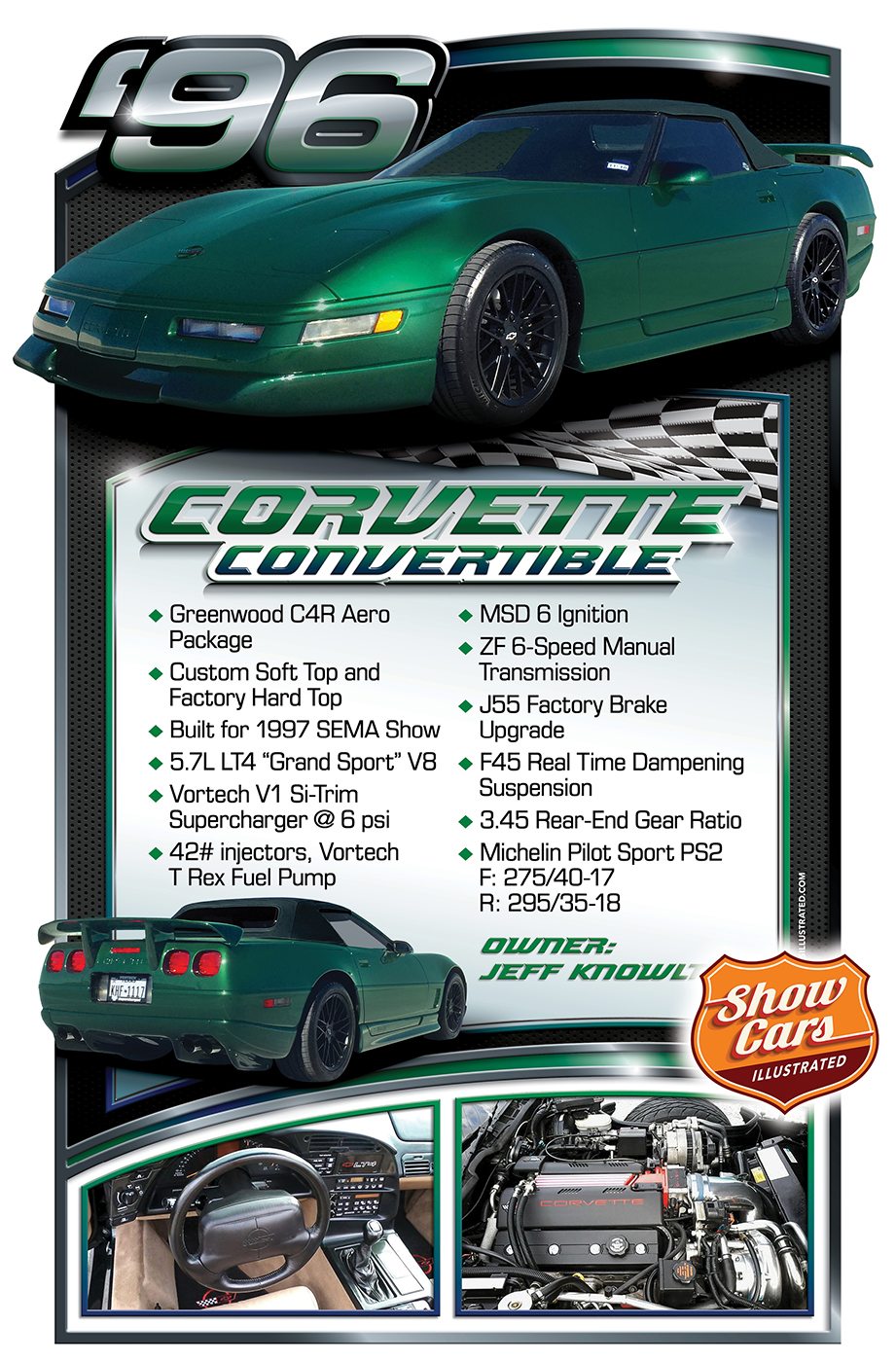
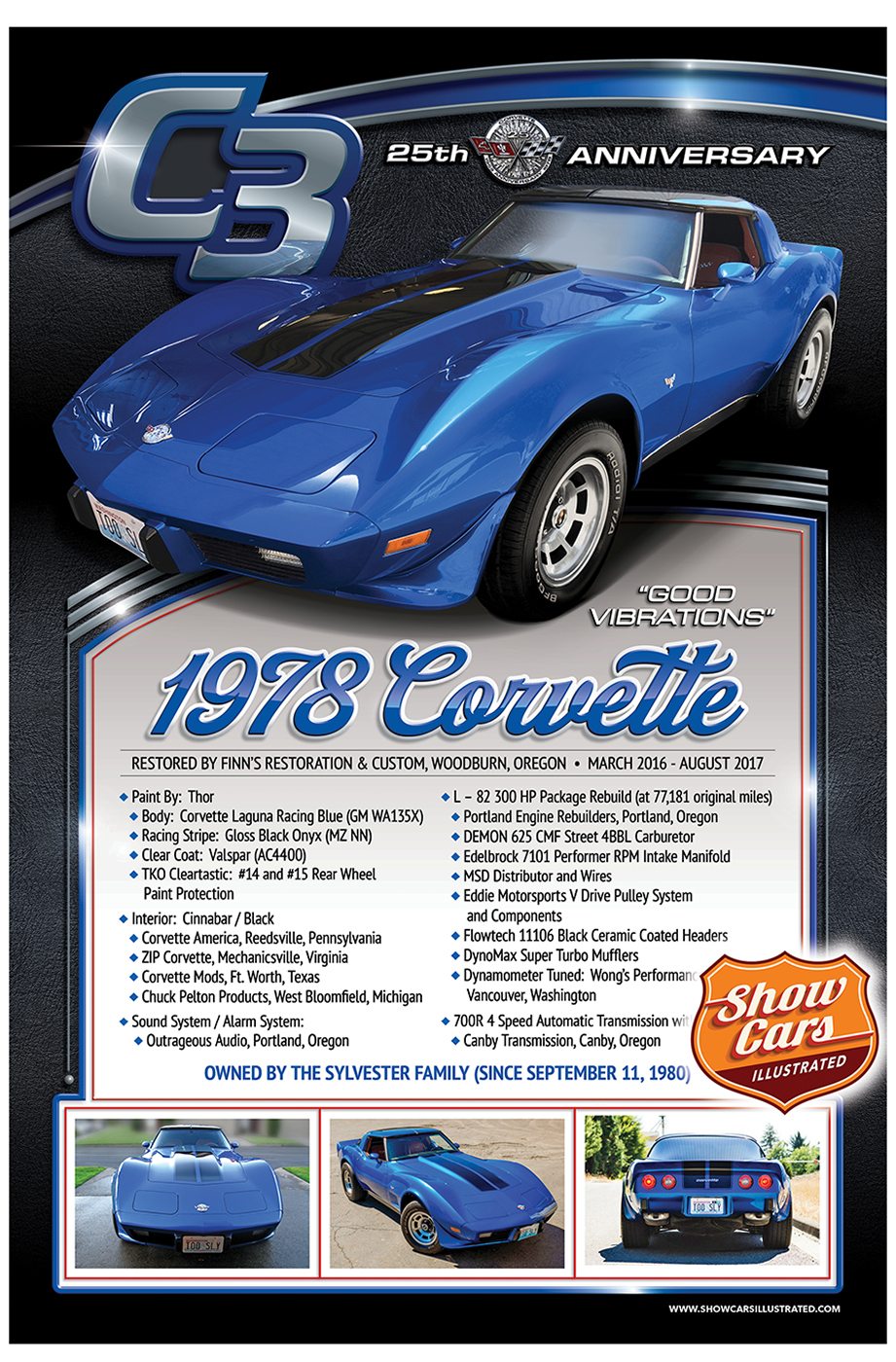
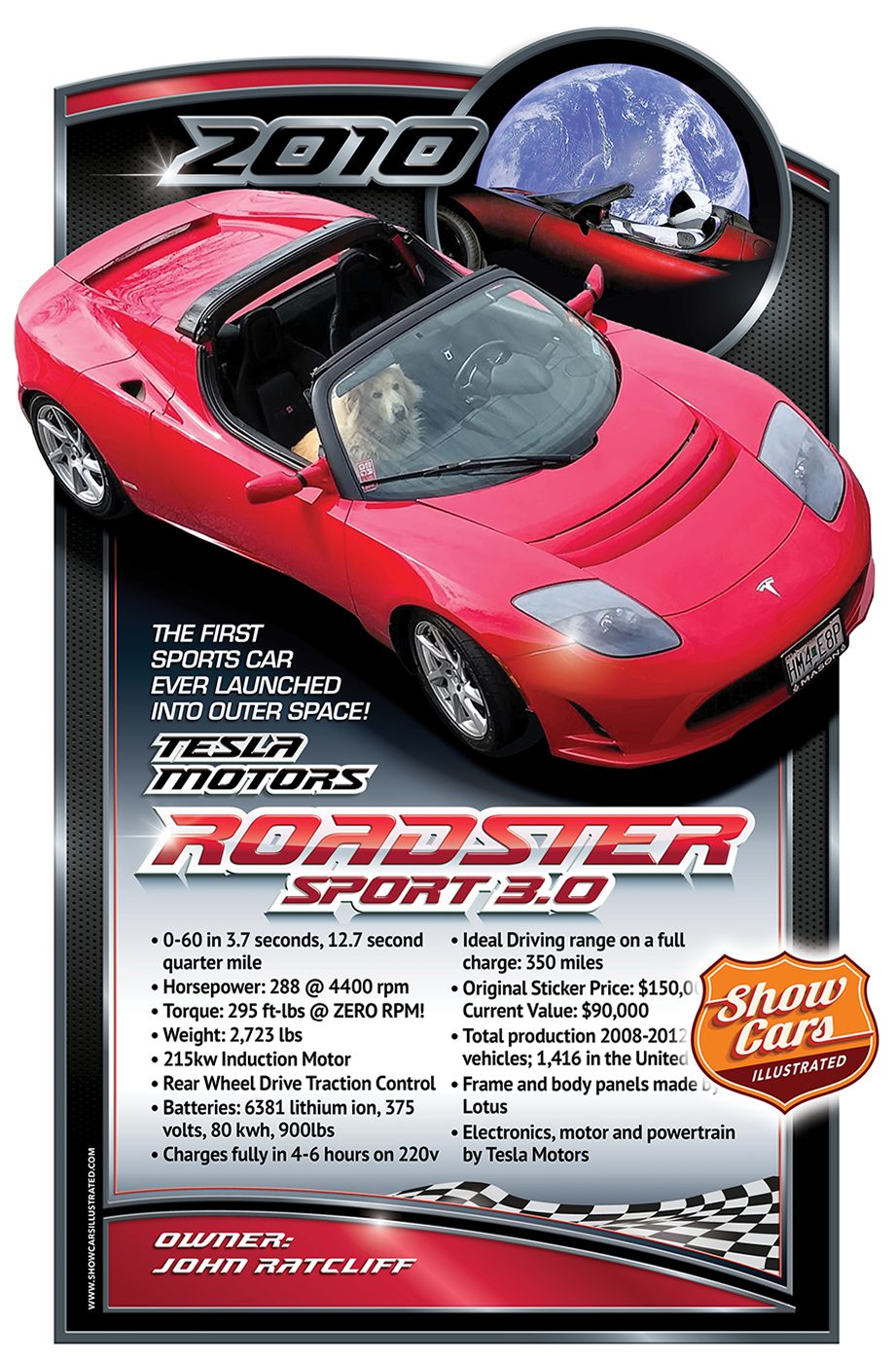
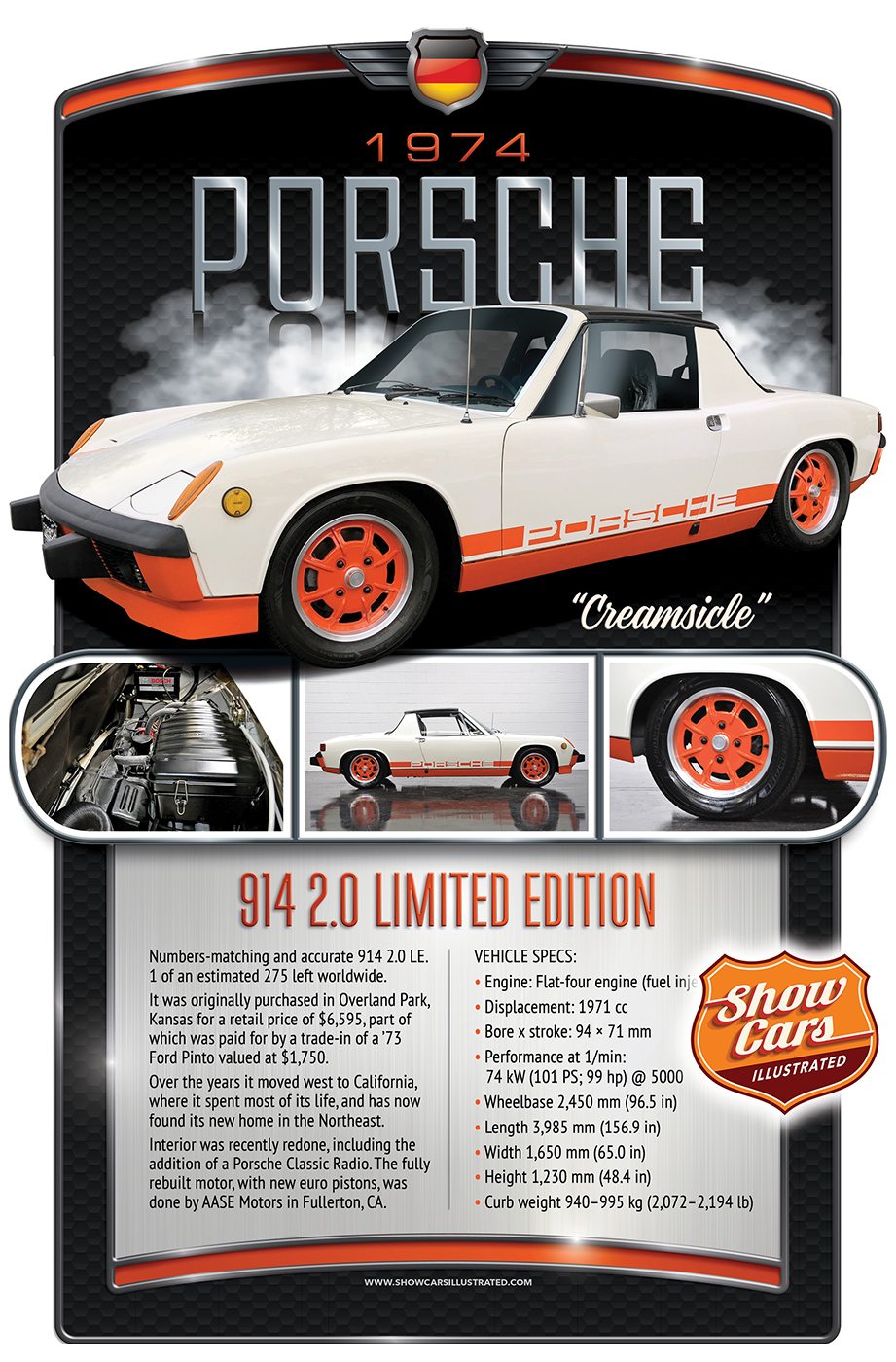
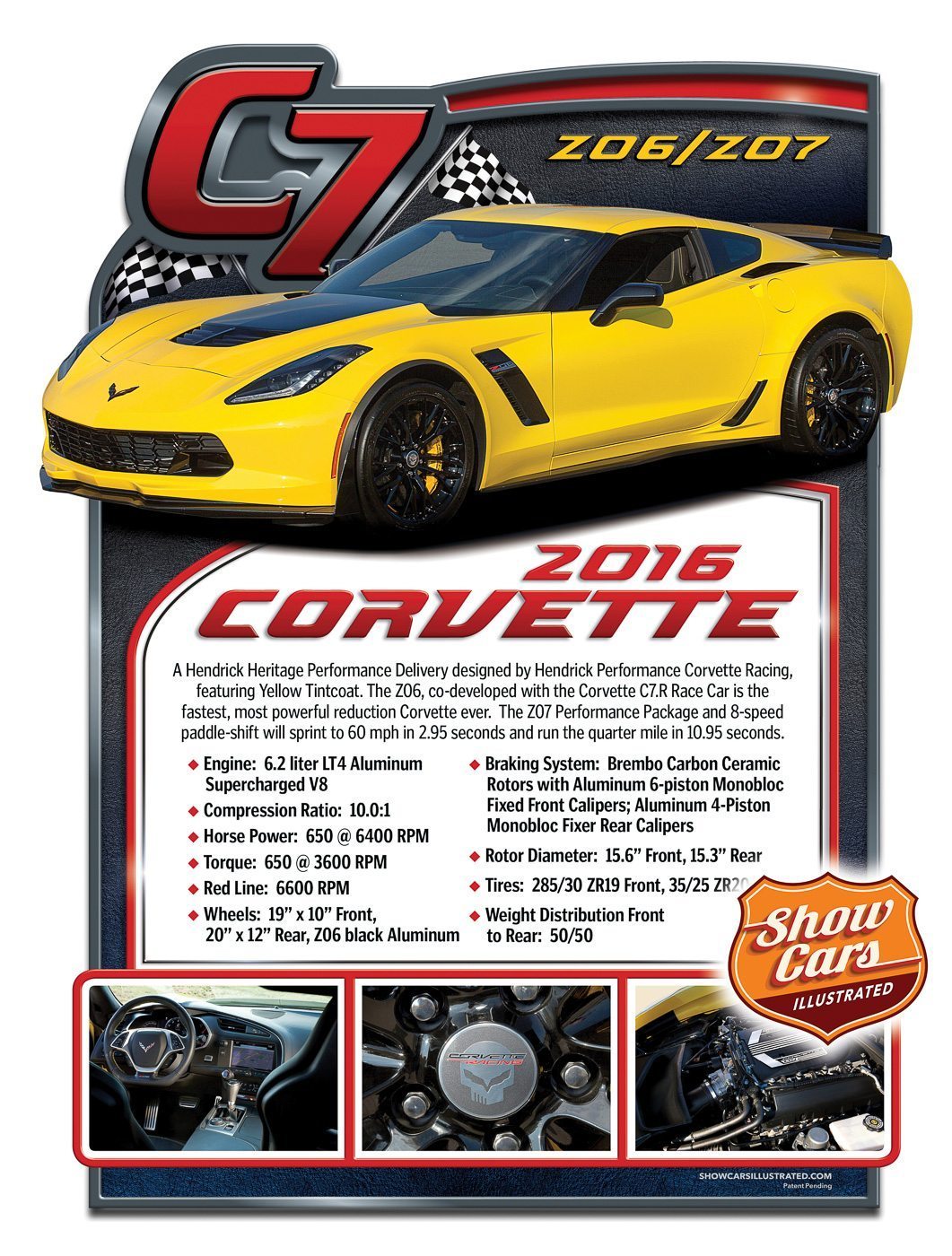
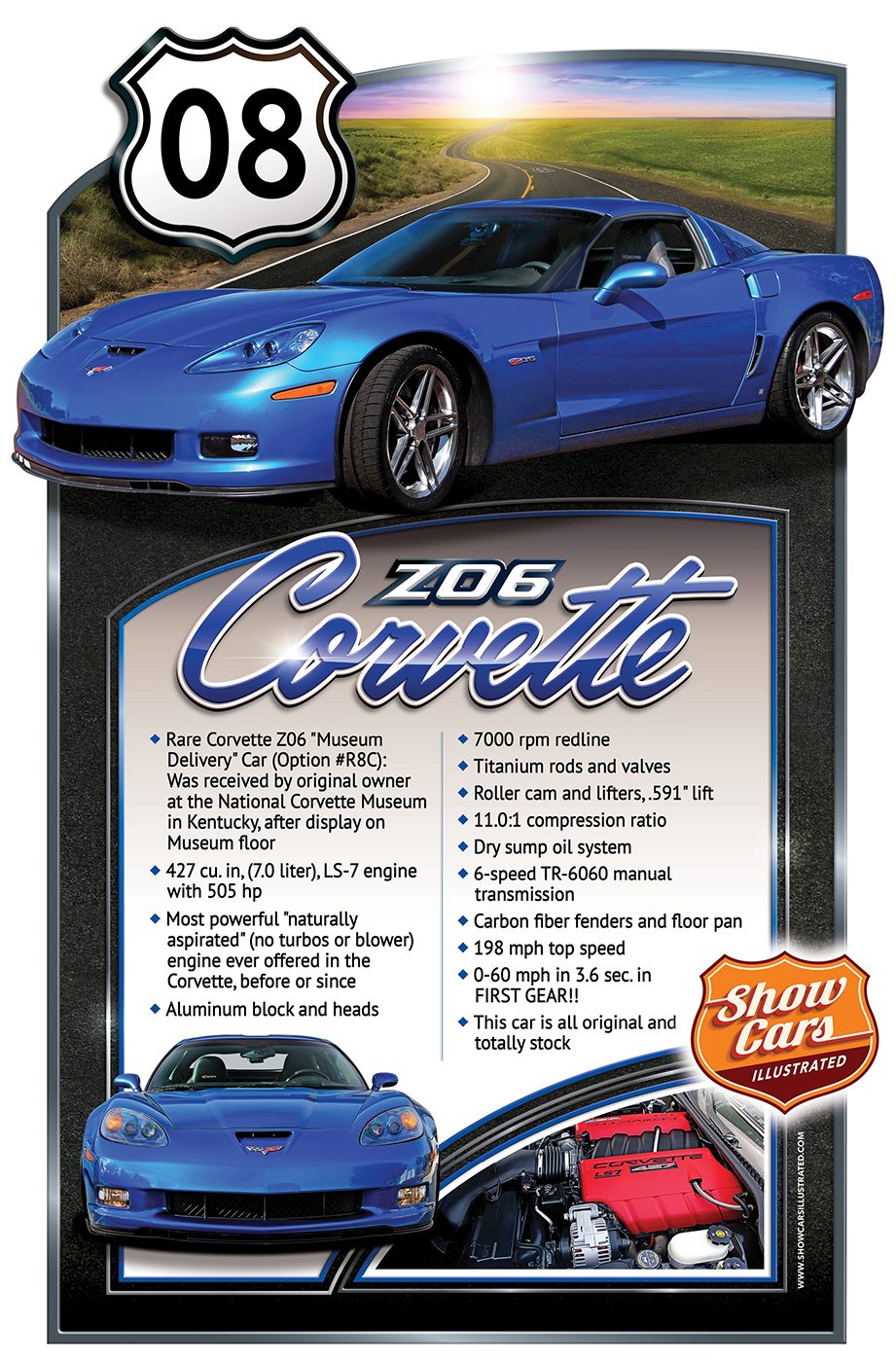
Corvettes across five generations, plus a Porsche, a Tesla Roadster and a Morris Mini Traveller. Raceway is the most-used theme in this group and suits track and performance cars; International is drawn for imports. All American holds up here too — it is not limited to American iron, despite the name.

Designing Your Board: Common Questions
What information goes on a car show board?
Most boards carry the year, make and model, a short list of specifications, and something about the car itself — how you found it, what you did to it, who built it. Photography does the rest.
The specifications people include most often:
- Engine and drivetrain, including anything rebuilt or swapped
- Transmission and rear end
- Paint code or color name
- Interior and trim details
- Wheels, suspension and brakes
- Restoration or build dates, and who did the work
The boards on this page are all real customer displays, so they are the most useful reference there is for deciding what belongs on yours.
How much text should go on a show board?
Less than most people expect. A show board is read standing up, from a few feet away, by someone who will give it fifteen or twenty seconds before moving on. It is a display, not a brochure.
The boards that work hardest lead with the car and let a tight block of specifications sit underneath. If you have a long story — a barn find, a family car, a decade-long build — give it a few sentences rather than a few paragraphs. We will tell you when copy is running long, and we will help you cut it.
How many photos can go on one board?
One strong photo is the anchor. Beyond that it depends on the layout and the size, but a typical board runs one large hero image plus two or three supporting shots — engine bay, interior, a detail you are proud of, or a before shot if the car was a project.
Adding photos is not free: every image you add makes the others smaller. A board with four well-chosen photographs reads better than one with nine.
How do I choose a theme for my car?
The themes carry design decisions most people would rather not make from scratch — typefaces, color, and the graphic treatment that suits a particular kind of car. You are not fitting your car into a template; you are choosing the design language the layout is built in.
The straightforward approach is to match the era or character of the car: Deco for pre-war, Drive-In and Motor City for the fifties and sixties, Solid Muscle for muscle and pony cars, Raceway and Stormer for modern and track-focused builds, Route 66 for drivers and road-trip cars, International for imports.
If none of that settles it, All American is the safe answer – and we can use other country’s flags if they’re foreign builds! It suits almost any vehicle on this page — pre-war through late-model, cars and trucks alike — and it is the most-used theme in our modern muscle section for exactly that reason.
What if my car does not fit any of these categories?
The categories on this page are a browsing aid, not a menu. We have built boards for fire trucks, a Morris Mini Traveller, a Tesla Roadster and a Porsche, and none of them belong to a single obvious group.
Every layout is drawn around your specific vehicle, so an unusual car is not a problem — it is usually the more interesting board. All American is the most flexible starting point when nothing else is an obvious match. Send us what you have and we will tell you what we would do with it.
Should I choose the 24-inch or the 36-inch?
The 36-inch board is the one most people end up glad they bought. It reads from farther away, holds more photography, and gives specifications room to breathe. Two thirds of the boards on this page are 36-inch.
The 24-inch board makes sense when you show indoors, when space beside the car is tight, when you travel to a lot of events, or when the board is a second display alongside one you already have. If you are choosing between them, the real question is how much you want on the board — not how big the car is.
Are the boards vertical or horizontal?
Our PVC boards are vertical and include a custom cut-to-shape feature. The outline follows the shape of your vehicle rather than a rectangle — the car stands proudly out of the body of the sign. That is why every board on this page has a different silhouette.
In practice a low, wide car produces a wider board and a truck or a tall pre-war sedan produces a more vertical one. Trucks in particular give a layout generous room underneath for build specifications.
What kind of photo works best on a cut-to-shape board?
Because the board is cut around the car, the hero photograph does more work here than it would on a rectangular sign. A clean three-quarter view with the whole vehicle in frame, shot from roughly headlight height, cuts out best and looks right at full size.
What causes trouble: cars photographed at a show with people or other vehicles crowding the frame, shots taken from standing height looking down, and heavy reflections on dark, high-gloss paint. Our photo tips page walks through what to shoot and how.
Where do awards and show wins go on the board?
Usually as a short list in the specification block, or as a line under the car’s story. Owners with a long win record tend to put the significant ones on the board and leave the rest off.
This is one of the most common reasons customers come back to have a board updated — the car has not changed, but the trophy shelf has.
What is a spec board, and when would I want one?
A spec board is a text-only display: the same design quality and the same materials, without the photography. It suits cars that speak for themselves at the show, owners who want the vehicle itself to be the only image, and anyone adding a second, simpler display alongside a photo board.
Our Vintage and Cruiser boards on this page are spec boards, which is a useful comparison — you can see the difference in how they read from a distance.
Can I see an example of a board for my make or model?
There is a good chance one is already on this page. There are 86 real customer boards here, grouped into six sections, covering Model A Fords through late-model Challengers, Corvettes across five generations, pickups, panel trucks and imports.
Click any board to open it full size and read the actual layout. If you do not see your car, ask us — the gallery is a selection, not the whole archive, and we have almost certainly done something close.